Why this Cuban wilderness is a living laboratory for evolution and ancient geology
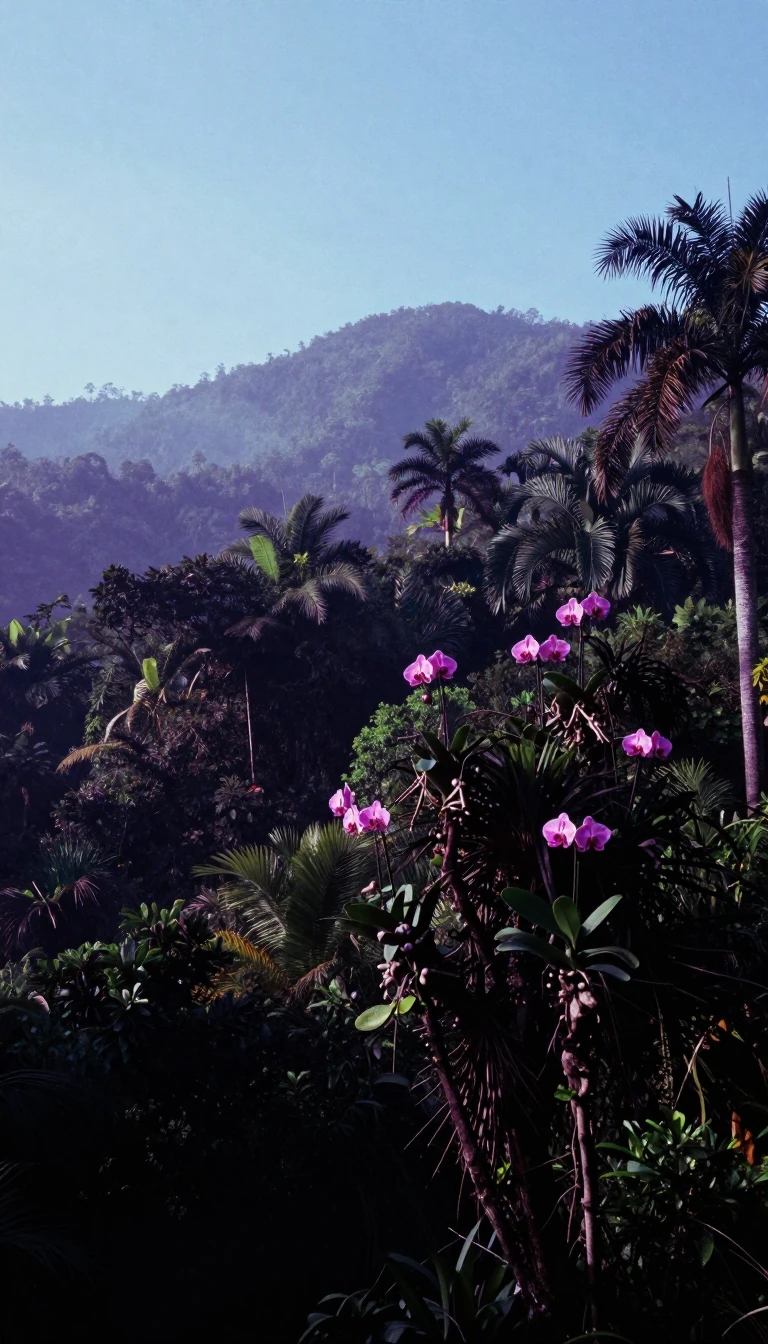
In short: Spanning over 700 square kilometers, Alejandro de Humboldt National Park is a biological treasure chest. Its unique serpentine soils and stable climate, preserved since the Pleistocene, have fostered an extraordinary concentration of endemic species. From toxic-soil-adapted plants to rare mammals, this Caribbean sanctuary remains one of the world's most vital ecological refuges.
Located across the provinces of Holguín and Guantánamo, this park honors the German explorer Alexander von Humboldt, who traveled through Cuba in 1800 and 1801. The site was granted UNESCO World Heritage status in 2001, recognized for its immense biodiversity, varied elevations, and complex geological history. Rising from sea level to the 1,168-meter summit of El Toldo Peak, the park contains some of the largest rivers in the insular Caribbean and is considered the most humid region in Cuba.
The park's distinct character stems from its geological foundation, which features karst landscapes derived from Cretaceous-era oceanic crust. Much of the terrain is composed of ultrabasic rocks like peridotites and serpentine soils. These minerals are often toxic to typical vegetation, a harsh environment that has forced plants to adapt rapidly, driving high rates of speciation. Because the area served as a Pleistocene refugium, it maintained a stable climate during global glaciation cycles, allowing ancient lineages to persist while others vanished elsewhere.
Today, the park protects over 900 plant species, including 16 of Cuba's 28 endemic varieties, such as Dracaena cubensis and Podocarpus ekmanii. Its fauna is equally diverse, hosting 45 reptile species, 21 amphibian species, and 10 mammal species, including the endangered Cuban solenodon. BirdLife International has designated the region an Important Bird Area, as it provides a critical habitat for dozens of avian species, ranging from the Cuban kite to the tiny bee hummingbird. Historically, the area saw little human interference, with only a single pre-Columbian archaeological site identified at Aguas Verdes.
The modern park emerged from the consolidation of several nature reserves established between the 1960s and 1980s. These included the Ojito del Agua Refuge, which gained significance as the final known habitat of the Cuban ivory-billed woodpecker. In 1996, these protected zones were unified, and in 2001, the park was officially recognized as a UNESCO World Natural Heritage Site alongside the Cuchillas del Toa. It stands today as a premier biosphere reserve, boasting some of the highest levels of endemicity in the entire Caribbean archipelago.
Opens the Intellect+ feed with this card first. Swipe up for the next one.
Sources
- Summary by Intellect · source: Alejandro de Humboldt National Park
To cite this card, link to https://intellectplus.co.uk/app/places-alejandro-de-humboldt-national-park.
How we source, check and correct cards: Editorial standards.
General information, not professional advice. Spotted an error? Flag the card or see corrections and complaints.
Intellect Plus is a visual educational discovery platform for exploring fascinating facts and ideas. Brain Food, Not Brain Rot. What is Intellect Plus?
Related
More in World Heritage Sites · More in Countries & Cities · Latest · A–Z · All topics
