How a Templar stronghold became the architectural heart of Portugal’s Age of Discovery
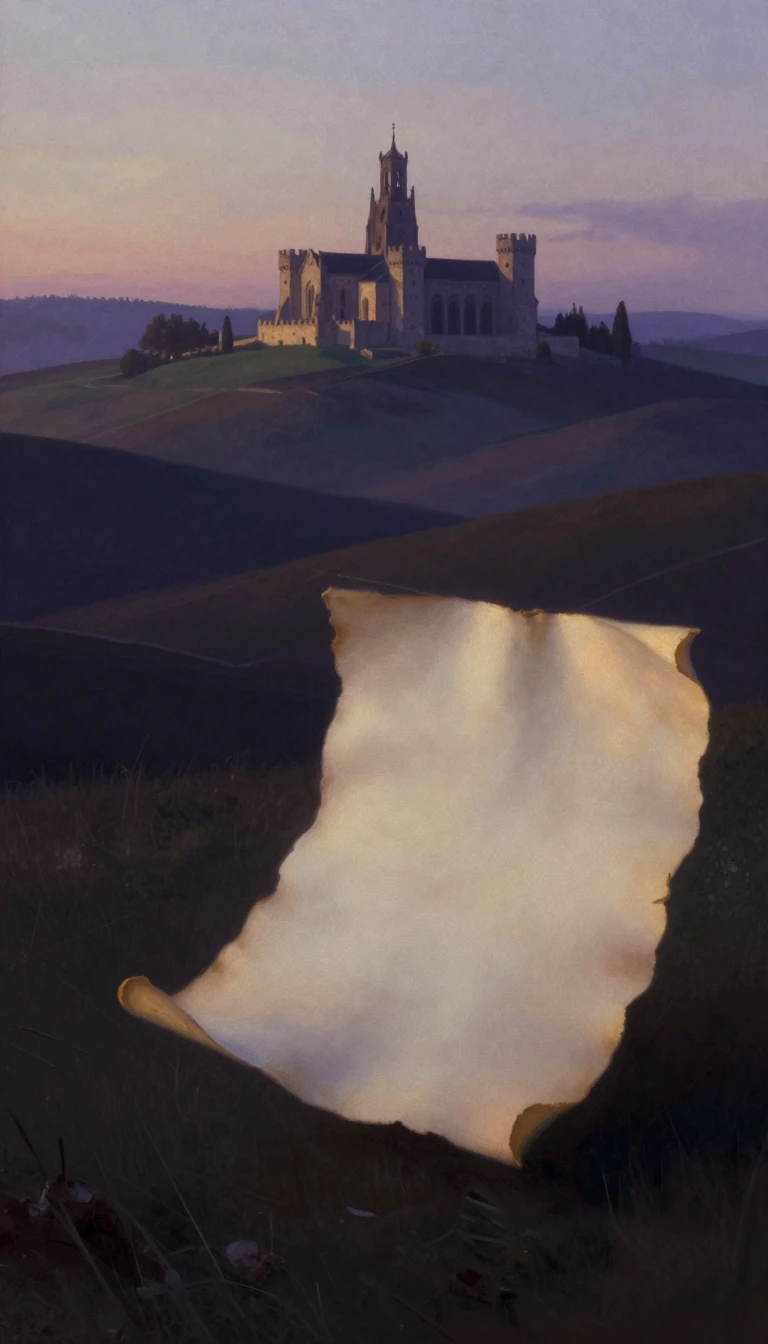
In short: Founded in 1118, the Convent of Christ in Tomar evolved from a rugged Templar fortress into a masterpiece of Manueline architecture. It served as the seat for the Order of Christ, the group that fueled Portugal’s maritime expansion, eventually housing the dynastic union between the crowns of Spain and Portugal.
The Convent of Christ began as a 12th-century Templar stronghold, strategically positioned on a hill near the Nabão River. Its defensive design, featuring a citadel and one of the country's oldest keeps, was revolutionary for its time. The Templars introduced round towers to the outer walls, a technique learned from their experience in Normandy and Brittany, which proved far more resilient against attacks than traditional square designs. In 1190, the castle successfully withstood a major assault by the armies of the caliph Abu Yusuf al-Mansur.
Following the dissolution of the Templar Order in the early 14th century, Pope John XXII established the Order of Christ in 1319 at the request of King Denis of Portugal. By 1357, the former Templar seat became the headquarters for this new order. Under the leadership of Prince Henry the Navigator from 1417 to 1450, the site underwent significant expansion, including the construction of the Cemetery and Washing Cloisters. Later, King Manuel I transformed the site further, commissioning the iconic Manueline-style nave that features intricate stone carvings of ropes, armillary spheres, and corals—symbols reflecting Portugal's maritime achievements.
The site is a unique architectural palimpsest, blending Romanesque, Gothic, Manueline, and Renaissance styles. Its famous 12th-century round church, or charola, was modeled after the Dome of the Rock and the Church of the Holy Sepulchre in Jerusalem. Centuries later, in 1581, the convent became the stage for a pivotal moment in history: the Portuguese nobility gathered here to recognize Philip II of Spain as King of Portugal, marking the start of the Iberian Union. Today, the complex stands as a UNESCO World Heritage site, preserving the legacy of the knights and monarchs who shaped the nation.
The evolution of the convent also reflects shifting religious and political priorities. While King John III later demilitarized the order, shifting its rule toward the traditions of Bernard of Clairvaux, the physical structure remained a testament to the order's immense influence. From the masterworks of the Chapter House Window to the expansive Pegões Aqueduct completed in 1614, the convent remains a dense record of Portuguese history, art, and engineering.
Opens the Intellect+ feed with this card first. Swipe up for the next one.
Sources
- Summary by Intellect · source: Convent of Christ (Tomar)
To cite this card, link to https://intellectplus.co.uk/app/places-convent-of-christ-tomar.
How we source, check and correct cards: Editorial standards.
General information, not professional advice. Spotted an error? Flag the card or see corrections and complaints.
Intellect Plus is a visual educational discovery platform for exploring fascinating facts and ideas. Brain Food, Not Brain Rot. What is Intellect Plus?
Related
More in World Heritage Sites · More in Countries & Cities · Latest · A–Z · All topics
