How a nineteenth-century museum became a sanctuary for art, science, and the public
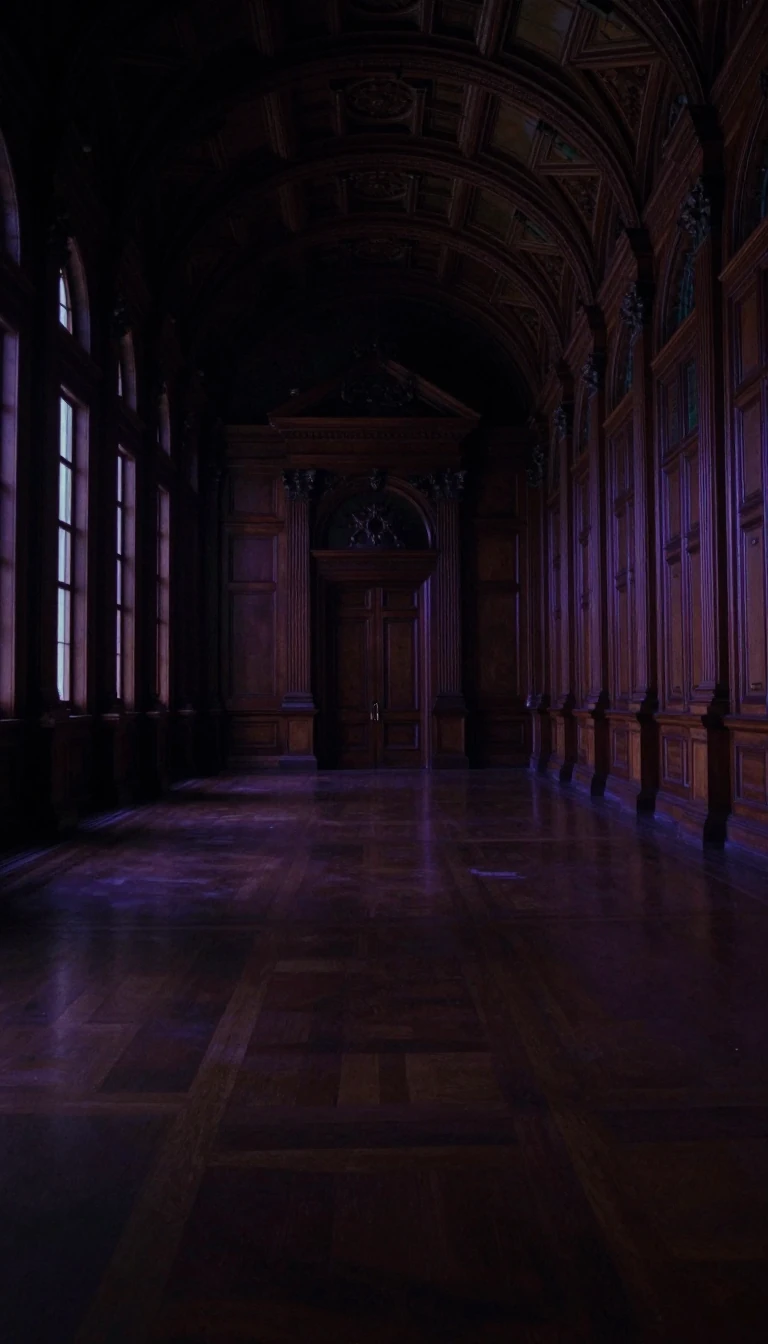
In short: Commissioned by King Frederick William III, Berlin's Altes Museum was built to grant citizens access to cultural education. Designed by Karl Friedrich Schinkel, this Neoclassical masterpiece anchored a grand ensemble of buildings, symbolizing the rise of a self-aware bourgeoisie and the Enlightenment ideal that art belongs to the people.
Construction of the Altes Museum, originally known as the Königliches Museum, occurred between 1825 and 1830. The project was driven by the Humboldtian ideal, which posited that public access to art was essential for a comprehensive education. Karl Friedrich Schinkel’s design was heavily influenced by the crown prince, the future King Frederick William IV, who provided a sketch featuring a hall with a classical portico. This architectural choice was intended to reflect the importance of the site, which sat within an ensemble representing worldly power, military might, and divine authority.
The museum was part of a broader vision to transform the northern part of Spree Island into a dedicated space for art and science. By 1845, the completion of the neighboring Neues Museum necessitated a name change to the Altes Museum. Over time, the institution’s focus shifted; while it initially housed a broad range of fine arts, including Old Master paintings, it has been dedicated exclusively to the Antikensammlung, or Collection of Classical Antiquities, since 1904.
The building’s history reflects the turbulence of the twentieth century. During the Nazi era, it was repurposed as a backdrop for propaganda. Near the end of the Second World War, an explosion caused significant damage, resulting in the loss of original frescoes. Post-war restoration efforts, led by Ludwig Justi and carried out between 1951 and 1966, focused on preserving the structure’s integrity, though some original interior features were not replaced. In 1999, the museum was recognized as a UNESCO World Heritage Site, cementing its status as a landmark of architectural and social history.
Opens the Intellect+ feed with this card first. Swipe up for the next one.
Sources
- Summary by Intellect · source: Altes Museum
- Also: Wikidata — Altes Museum · CC0
To cite this card, link to https://intellectplus.co.uk/app/places-altes-museum.
How we source, check and correct cards: Editorial standards.
General information, not professional advice. Spotted an error? Flag the card or see corrections and complaints.
Intellect Plus is a visual educational discovery platform for exploring fascinating facts and ideas. Brain Food, Not Brain Rot. What is Intellect Plus?
Related
More in World Heritage Sites · More in Countries & Cities · Latest · A–Z · All topics
