Can a rugged archipelago of islands hold the secrets to Japan's hidden religious history?
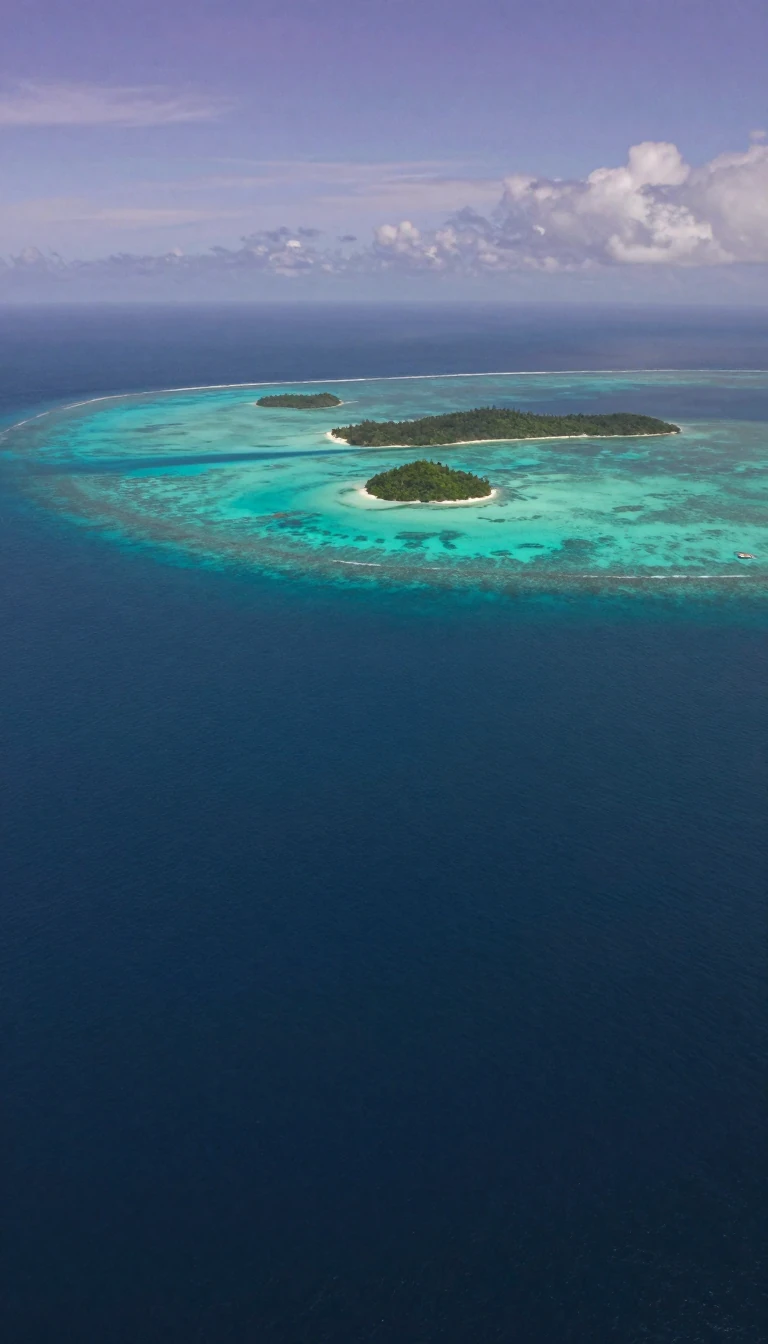
In short: Off the coast of Kyushu lies Amakusa, a series of hilly islands defined by its dramatic geography and a clandestine past. Beyond its rugged terrain and terrace farming, these islands served as the epicenter of a 17th-century religious uprising, leaving behind a legacy of faith practiced in total secrecy.
Amakusa is a collection of islands situated off the western coast of Kyushu, separated from the mainland of Kumamoto Prefecture by the Yatsushiro Sea. The largest landmass in the group, Shimoshima, spans roughly 26.5 miles in length and 13.5 miles at its widest point. The landscape is characterized by its hilly, rugged nature rather than towering peaks, with only four summits exceeding 1,500 feet in elevation. To overcome the scarcity of flat, tillable soil, inhabitants historically developed a terrace system of cultivation to sustain agriculture.
The islands are perhaps most historically significant as the site of the 17th-century Shimabara rebellion. This uprising was spearheaded by Christians, and in its aftermath, survivors known as Kakure Kirishitan maintained their religious practices in hiding to evade intense persecution. This period of clandestine devotion remains a defining chapter in the region's cultural identity, marking the islands as a sanctuary for those who refused to abandon their beliefs under extreme pressure.
Beyond its historical weight, Amakusa is a center for artisanal production. The islands are a source of pottery stone and coal, materials that have long supported the creation of Satsuma and Hirado wares. Modern industry continues this tradition; for instance, the retail brand Muji utilizes local translucent stone, processed and mixed into clay using heritage methods to create their Hakuji homeware line. Today, the islands are administratively divided into Amakusa City, Kami-amakusa City, and the Amakusa District, all governed by Kumamoto Prefecture.
Connectivity to the islands has evolved significantly. While the Five Bridges of Amakusa provide a physical link to the mainland, the region is also heavily served by a network of ferries connecting to neighboring Nagasaki and Kagoshima prefectures. Air travel is facilitated by the Amakusa Airfield, located on the northern tip of Shimoshima. From the birthplace of notable figures like Hidenoshin Koyama to the origins of contemporary musicians, the islands remain a distinct, interconnected hub of history and craftsmanship.
Opens the Intellect+ feed with this card first. Swipe up for the next one.
Sources
- Summary by Intellect · source: Amakusa
- Also: Wikidata — Amakusa · CC0
To cite this card, link to https://intellectplus.co.uk/app/places-amakusa.
How we source, check and correct cards: Editorial standards.
General information, not professional advice. Spotted an error? Flag the card or see corrections and complaints.
Intellect Plus is a visual educational discovery platform for exploring fascinating facts and ideas. Brain Food, Not Brain Rot. What is Intellect Plus?
Related
More in Islands · More in Countries & Cities · Latest · A–Z · All topics
