A remote Japanese island where over 80,000 ancient treasures were left as offerings.
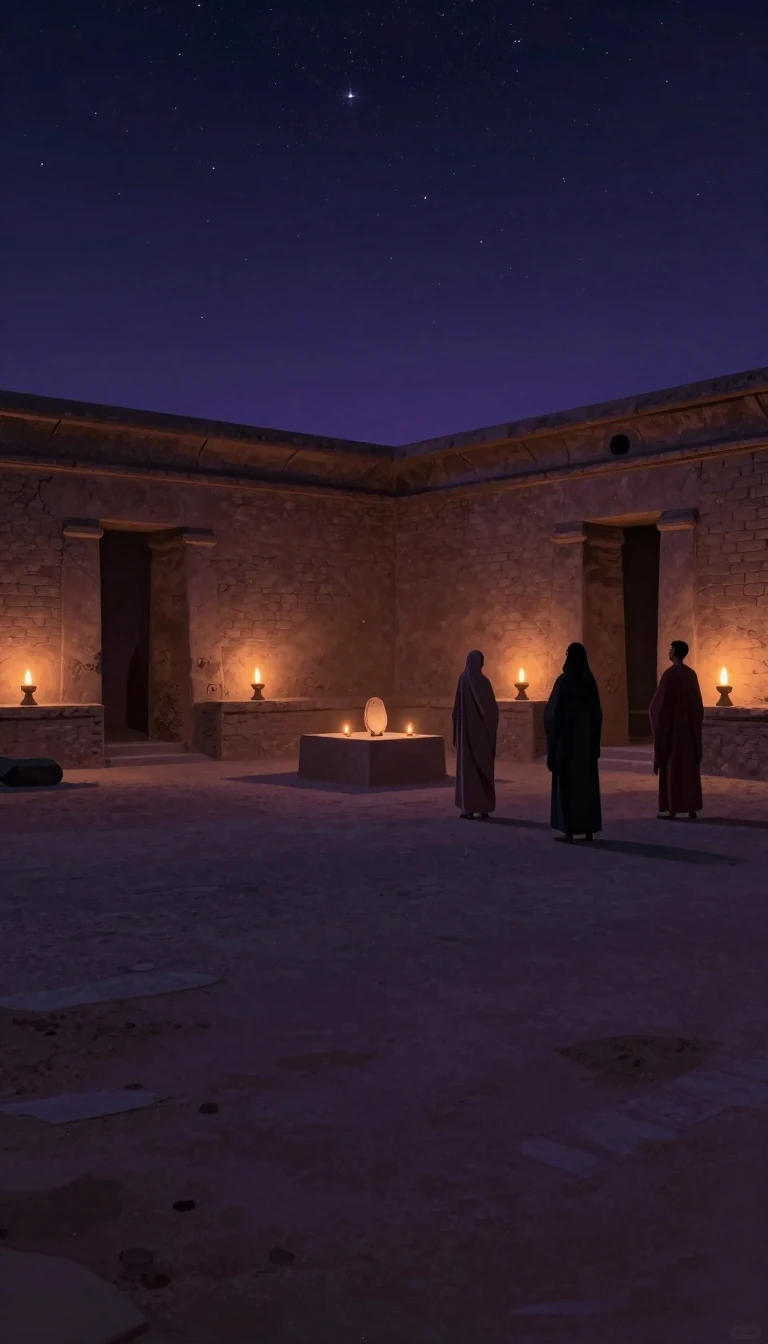
In short: Located in northwest Kyushu, Okinoshima is a sacred site where no formal buildings ever stood. Instead, for centuries, pilgrims deposited vast quantities of international artifacts to honor three Shinto deities. This unique ritual landscape offers a rare window into ancient maritime trade routes and the power of local clans.
Inscribed as a UNESCO World Heritage site in 2017, this collection of locations in Japan’s Munakata region represents a profound intersection of faith and geography. The central site, Okinoshima, is dedicated to three kami—deities said to be the daughters of the sun-goddess Amaterasu. According to ancient texts like the Kojiki and Nihon Shoki, these spirits emerged after the goddess consumed giant swords, establishing a mythological foundation for the island’s sanctity.
Rather than erecting traditional shrine architecture, worshippers utilized natural rock formations known as yorishiro as the focal points for their veneration. Between the fourth and tenth centuries, this practice resulted in the ritual deposition of more than 80,000 artifacts. These items, now recognized as National Treasures, reveal the island’s role as a vital node in early international exchange. Archaeologists have recovered mirrors and bronze dragon-head finials originating from Wei China, gold rings and horse-trappings reminiscent of Silla-era Korean tombs, and even remnants of glass bowls from Sassanian Persia.
The Munakata clan, who held significant regional authority, managed the maritime passages to the continent and oversaw these elaborate ritual activities. Their influence is further evidenced by the numerous kofun, or burial mounds, scattered throughout the surrounding area. By controlling the flow of goods and the spiritual life of the region, the clan ensured that Okinoshima remained a place of immense cultural and historical weight. The site remains a testament to how ancient societies utilized remote geography to bridge the gap between the divine and the material world, leaving behind a legacy that connects Japan to the wider ancient world.
Opens the Intellect+ feed with this card first. Swipe up for the next one.
Sources
- Summary by Intellect · source: Sacred Island of Okinoshima and Associated Sites in the Munakata Region
To cite this card, link to https://intellectplus.co.uk/app/places-sacred-island-of-okinoshima-and-associated-sites-in-the-muna.
How we source, check and correct cards: Editorial standards.
General information, not professional advice. Spotted an error? Flag the card or see corrections and complaints.
Intellect Plus is a visual educational discovery platform for exploring fascinating facts and ideas. Brain Food, Not Brain Rot. What is Intellect Plus?
Related
More in World Heritage Sites · More in Countries & Cities · Latest · A–Z · All topics
