How a small Portuguese town became a symbol of resistance against Napoleonic forces
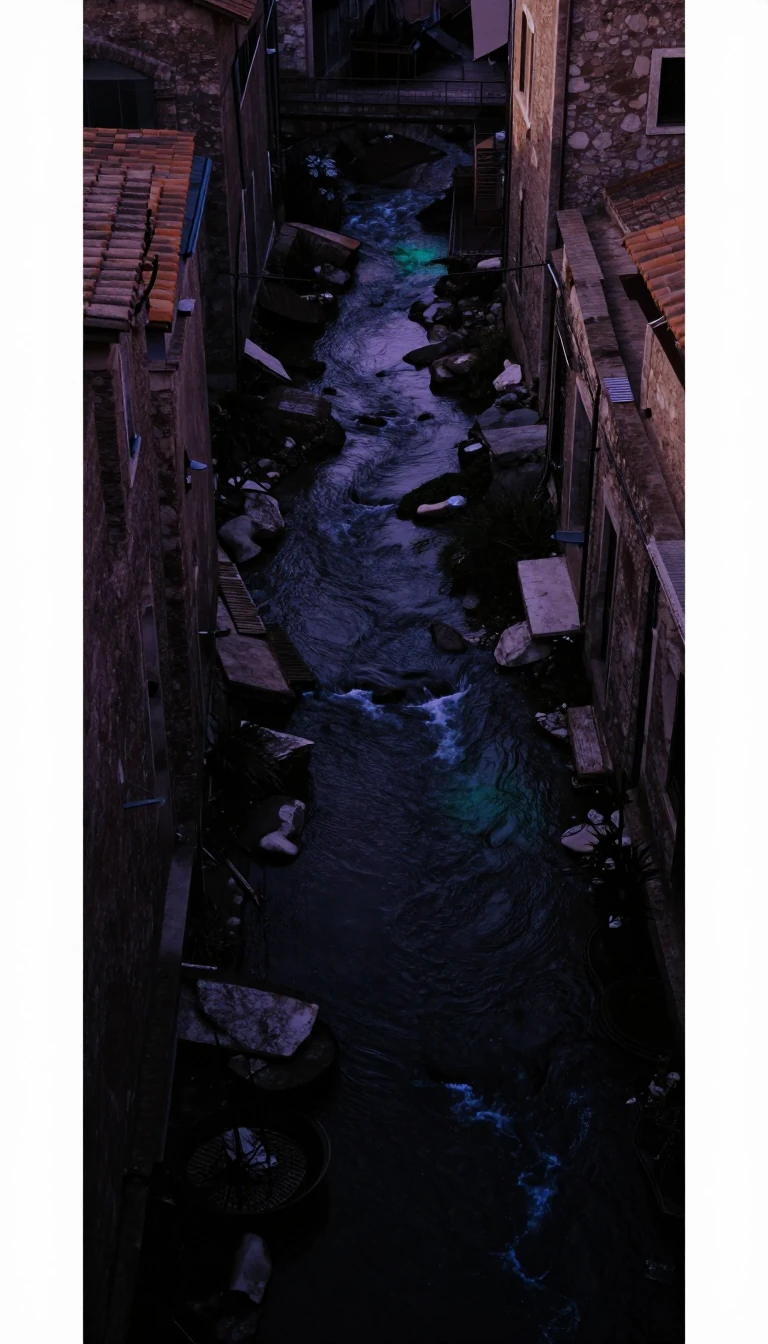
In short: Nestled in northern Portugal, Amarante is defined by the Tâmega River and a history of resilience. Once a quiet religious hub, the city gained fame for a fierce 1809 standoff against French invaders. Today, its landscape blends Romanesque architecture with a repurposed railway line that invites modern exploration.
The history of Amarante is deeply tied to the Tâmega River, which has served as both a lifeline and a strategic barrier for centuries. While human activity in the region dates back to the Iron Age, the town gained prominence during the 13th century through the influence of the Dominican friar Gundisalvus of Amarante. His efforts to improve local infrastructure, including the construction of a stone bridge, transformed the area into a significant destination for pilgrims and religious institutions.
The town's most dramatic chapter occurred during the Peninsular War in 1809. During the second French invasion of Portugal, a local force led by Francisco da Silveira held the São Gonçalo Bridge against French troops for 14 days. Despite being largely ill-equipped, the defenders successfully resisted repeated assaults, eventually forcing a French withdrawal. The scars of this conflict remain visible today, with cannon damage still etched into the façade of the Church of São Gonçalo and the bridge itself.
Beyond its military history, Amarante is a repository of Romanesque heritage. The region is dotted with monasteries and churches, such as those in Travanca and Mancelos, which reflect the area's ecclesiastical past. Since 2010, many of these sites have been part of the Sousa Valley Romanesque Route. In recent years, the city has pivoted toward cultural and recreational development, earning a designation as a UNESCO City of Music in 2017 and converting its defunct 20th-century railway line into a 39.2-kilometre pedestrian and cycling path known as the Ecopista.
Opens the Intellect+ feed with this card first. Swipe up for the next one.
Sources
- Summary by Intellect · source: Amarante, Portugal
- Also: Wikidata — Amarante · CC0
To cite this card, link to https://intellectplus.co.uk/app/places-amarante-portugal.
How we source, check and correct cards: Editorial standards.
General information, not professional advice. Spotted an error? Flag the card or see corrections and complaints.
Intellect Plus is a visual educational discovery platform for exploring fascinating facts and ideas. Brain Food, Not Brain Rot. What is Intellect Plus?
Related
More in Bodies of water · More in Countries & Cities · Latest · A–Z · All topics
