The Alvord Desert is a vast, dry lakebed serving as a natural laboratory for Mars.
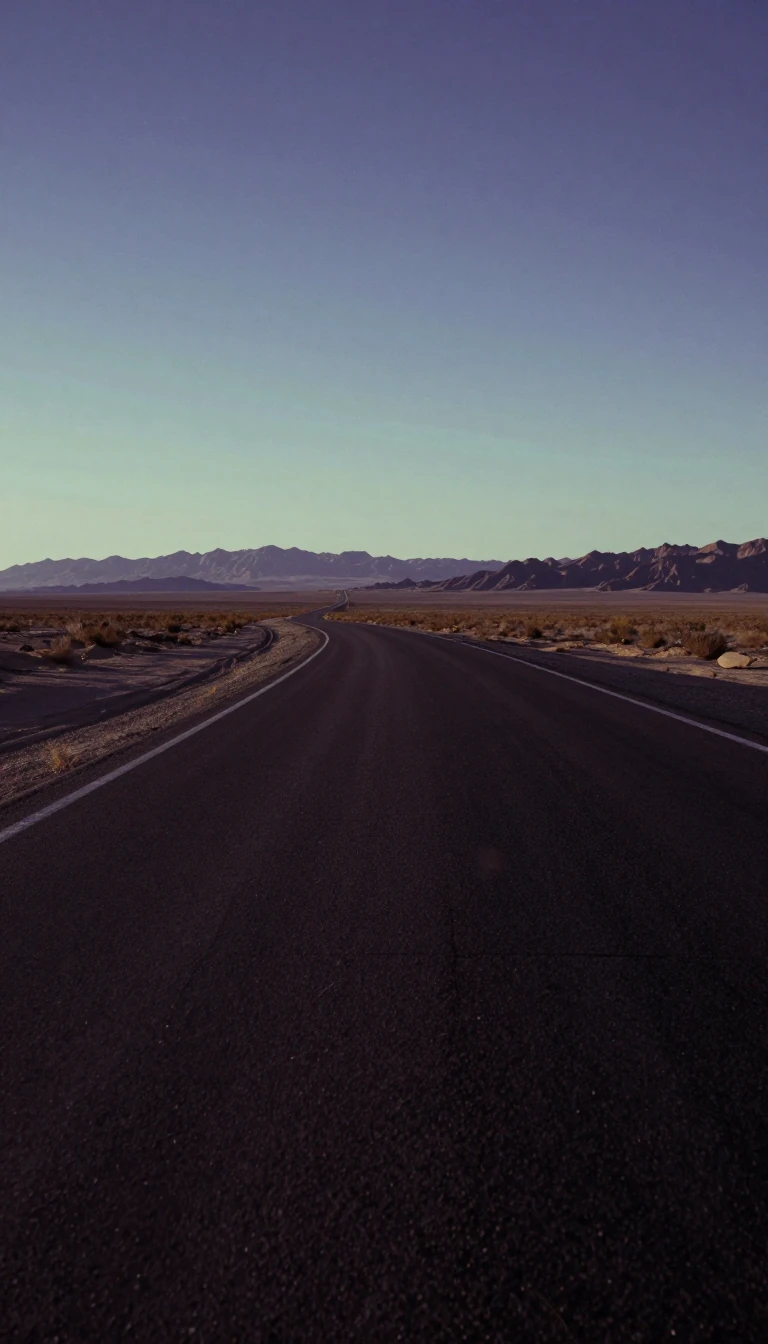
In short: Tucked against Oregon's Steens Mountain, the Alvord Desert is a shimmering, flat playa that transforms from a dusty expanse into a temporary lake. Beyond its reputation for land-speed records and stargazing, this remote basin provides a unique, Earth-bound testing ground for scientists preparing to explore the surface of Mars.
Formed by faulting between 12 and 10 million years ago, the Alvord Desert is a closed basin where streams deposit water that has no outlet. As the water evaporates, it leaves behind a hard, salt-crusted surface. This unique geology has long attracted human interest, from the Wadatika people who inhabited the area to modern adventurers who use the flat terrain for land sailing, glider flying, and high-speed motoring. The site is so expansive and smooth that it has been described as a natural racetrack, hosting record-breaking attempts like Kitty O'Neil's 1976 land speed run and Jessi Combs' 2019 record of 522.783 mph.
The playa's extreme conditions—characterized by intense summer heat and cold desert winters—make it an ideal proxy for extraterrestrial environments. Researchers from institutions like Boise State University and the Jet Propulsion Laboratory use the desert to study dust devils and test sensor technology. By flying drones over geothermal plumes, scientists are developing methods to detect subsurface water, a critical capability for future Mars missions. The basin also contains geothermal features, including Mickey Hot Springs, where bubbling mud and geysers have been active for more than 30,000 years.
Management of the area is a complex balance between recreation and conservation. While the Bureau of Land Management permits activities like camping and organized gatherings, it also oversees the Alvord Desert Area of Critical Environmental Concern to protect fragile desert plant communities and wildlife, such as the snowy plover. Despite interest in the basin's mineral potential, including traces of lithium, federal protections and mineral withdrawals have restricted new commercial claims. Today, the desert remains a place of solitude, where the lack of light pollution allows for clear views of the Milky Way, drawing astronomers and photographers to its quiet, barren expanse.
Opens the Intellect+ feed with this card first. Swipe up for the next one.
Sources
- Summary by Intellect · source: Alvord Desert
- Also: Wikidata — Alvord Desert · CC0
- Also: www.blm.gov — Alvord Desert - Oregon | Bureau of Land Management
To cite this card, link to https://intellectplus.co.uk/app/places-alvord-desert.
How we source, check and correct cards: Editorial standards.
General information, not professional advice. Spotted an error? Flag the card or see corrections and complaints.
Intellect Plus is a visual educational discovery platform for exploring fascinating facts and ideas. Brain Food, Not Brain Rot. What is Intellect Plus?
Related
More in Bodies of water · More in Countries & Cities · Latest · A–Z · All topics
