A massive, sparsely populated island in Quebec was once a private hunting preserve.
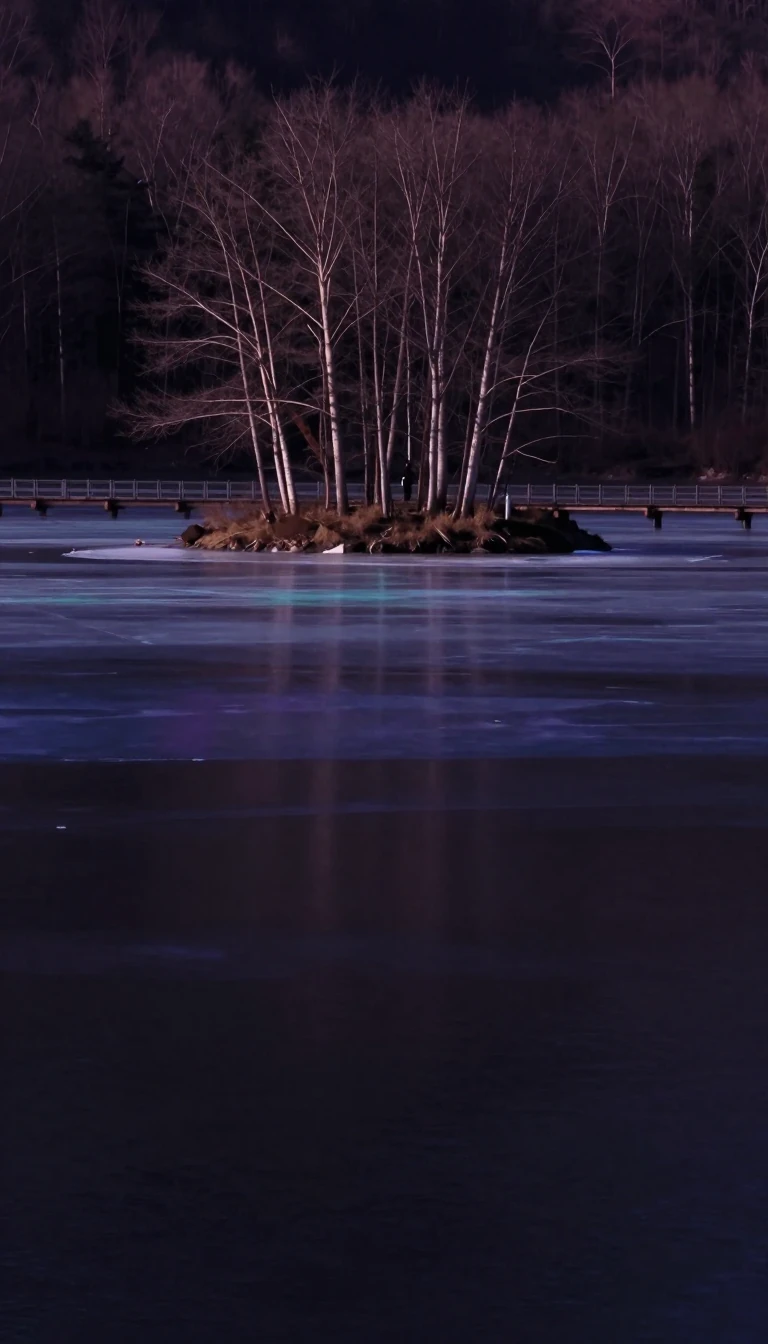
In short: Anticosti Island, a sprawling 7,953-square-kilometre landmass in the Gulf of St. Lawrence, has a history as wild as its landscape. From its days as a private game reserve for a French chocolate magnate to a bizarre 1930s geopolitical controversy, this remote island remains a fascinating, largely untouched ecological refuge.
Anticosti Island has long been a site of shifting ownership and intrigue. Originally Indigenous hunting territory, it was claimed by France in 1534 and later settled by Louis Jolliet in 1681. By the late 19th century, the island had suffered from overhunting, but its trajectory changed in 1895 when French chocolate maker Henri Menier purchased it for $125,000. Menier transformed the island into a personal game preserve, introducing 220 white-tailed deer. These deer thrived, and their population has since exploded to over 160,000, while the island's original black bear population has vanished, likely due to the deer consuming their food sources.
The island’s history is also marked by unusual international suspicion. After Menier’s death, the property was sold to forestry companies. In 1937, a consortium of Dutch and German capitalists attempted to purchase the island to build a pulp mill. The proposal triggered a national controversy in Canada, with the Montreal Gazette alleging that the German surveyors were actually military agents of Adolf Hitler. Although a government committee found no evidence of non-commercial intent, the deal eventually expired in 1938, ending the speculation.
Today, the island is managed by the Quebec government, which purchased it in 1974 for $23,780,000. With a permanent population of only 218 people as of 2016, it serves as a sanctuary for nature and science. Its geological strata are among the most complete in eastern North America, spanning the Ordovician and Silurian periods. The island is also a critical refuge for rare flora, including the ram's head lady's slipper orchid, which flourishes here even as its numbers decline elsewhere. Known as the Cemetery of the Gulf due to over 400 shipwrecks, the island now attracts anglers, hikers, and paleontologists to its rugged, boreal landscape.
Opens the Intellect+ feed with this card first. Swipe up for the next one.
Sources
- Summary by Intellect · source: Anticosti Island
- Also: Wikidata — Anticosti Island · CC0
- Also: Wikidata — Anticosti Island: a hot spot for Neospondylis upiformis (Coleoptera: Cerambycidae) in eastern Canada? · CC0
To cite this card, link to https://intellectplus.co.uk/app/places-anticosti-island.
How we source, check and correct cards: Editorial standards.
General information, not professional advice. Spotted an error? Flag the card or see corrections and complaints.
Intellect Plus is a visual educational discovery platform for exploring fascinating facts and ideas. Brain Food, Not Brain Rot. What is Intellect Plus?
Related
More in World Heritage Sites · More in Countries & Cities · Latest · A–Z · All topics
