The Roman Empire's forgotten northern frontier was a turf wall, not stone
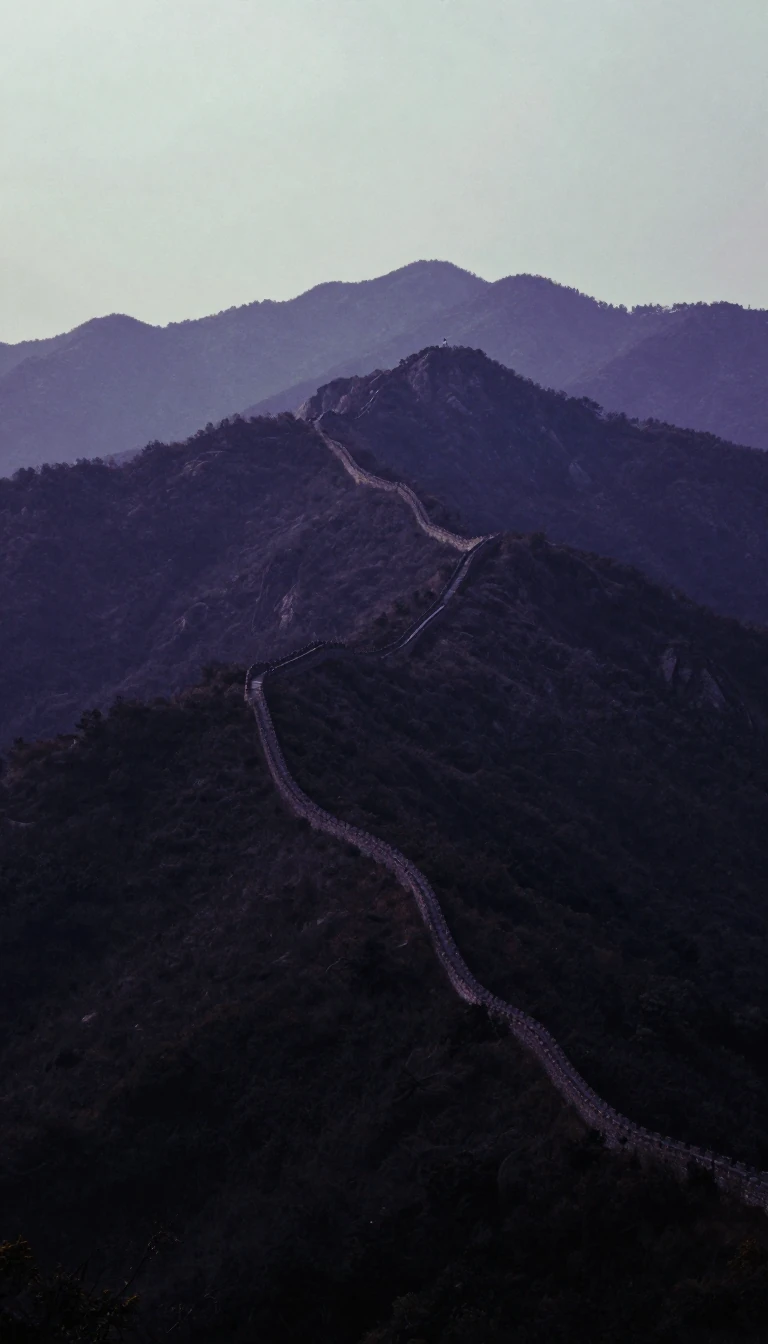
In short: While Hadrian's Wall remains a famous stone monument, the Romans built a second, shorter barrier across Scotland using turf and wood. Abandoned just eight years after completion, this turf fortification was once brightly painted and served as the empire's northernmost edge before being reclaimed by history and local folklore.
Commissioned by Emperor Antoninus Pius around 142 AD, the Antonine Wall was intended to push the Roman frontier further north than Hadrian's Wall. Spanning roughly 63 kilometres, this turf structure sat on stone foundations and featured a deep northern ditch. Unlike the stone-built southern predecessor, the Antonine Wall was a simpler design, lacking a secondary ditch system. It was protected by nineteen forts and at least nine smaller fortlets, linked by a military road.
The wall's construction was a massive undertaking, likely lasting between six and twelve years. Despite the effort, the Romans never fully conquered the Caledonians, and the barrier faced constant attacks. By 162 AD, the legions withdrew to Hadrian's Wall. Later, in 208 AD, Emperor Septimius Severus campaigned in the region, but there is no evidence he attempted to restore the abandoned turf wall. Over centuries, the structure weathered away, leading medieval chroniclers like Bede to mistakenly attribute its origin to the Britons.
Today, the wall is recognized as part of the UNESCO Frontiers of the Roman Empire site, though its ruins are far less visible than those of Hadrian's Wall. Recent research has transformed our understanding of the site; scientists using advanced spectroscopy have discovered that the decorative distance slabs, which marked the sections built by different legions, were once vibrantly painted. These findings, along with modern LIDAR mapping, allow researchers to reconstruct the wall's original appearance and strategic layout, proving that this turf fortification was a sophisticated Roman achievement despite its rapid abandonment.
Opens the Intellect+ feed with this card first. Swipe up for the next one.
Sources
- Summary by Intellect · source: Antonine Wall
- Also: Wikidata — Antonine Wall · CC0
- Also: Wikidata — Antonine Wall: Castlecary - Seabegs - Rough Castle · CC0
To cite this card, link to https://intellectplus.co.uk/app/places-antonine-wall.
How we source, check and correct cards: Editorial standards.
General information, not professional advice. Spotted an error? Flag the card or see corrections and complaints.
Intellect Plus is a visual educational discovery platform for exploring fascinating facts and ideas. Brain Food, Not Brain Rot. What is Intellect Plus?
Related
More in World Heritage Sites · More in Countries & Cities · Latest · A–Z · All topics
