How a Caribbean hurricane shelter became the crown jewel of British naval power
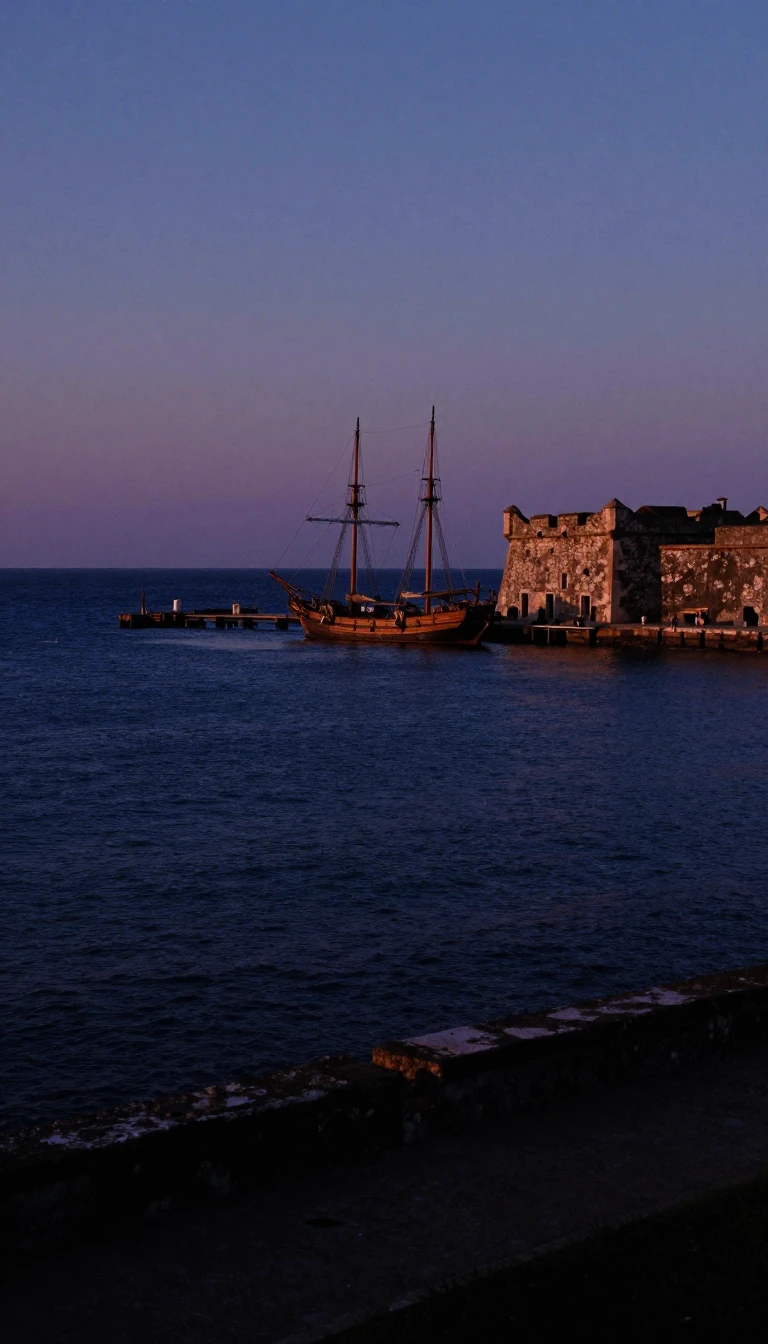
In short: Tucked away in the hills of Antigua, a hidden harbor once served as the ultimate strategic asset for the British Navy. By mastering the local geography, the empire turned a natural refuge into a bustling Georgian dockyard, eventually evolving from a military stronghold into a celebrated global heritage site.
The Antigua Naval Dockyard, a 255-hectare UNESCO World Heritage site, represents a pivotal chapter in the colonial struggle for Caribbean dominance. Established in the late 17th century, English Harbour provided a unique natural advantage: a series of deep, narrow bays protected by high terrain. This geography offered an ideal sanctuary for wooden ships to undergo repairs and escape the destructive force of hurricanes, a necessity for maintaining naval superiority in a region defined by intense competition over lucrative sugar trade routes.
Construction at the site evolved in distinct phases. While initial defenses like Fort Berkeley were established in 1704, the Royal Navy did not begin significant dockyard development until 1743. Over the next four decades, the facility expanded to include essential infrastructure such as water catchments and service buildings. A second major phase of construction, focused heavily on defensive fortifications, began in 1781. These structures showcased a unique adaptation of Georgian architecture to the tropical climate, a design influence that spread across other colonial regions.
By 1814, British maritime hegemony was secure, and the economic importance of the Leeward Islands began to fade. The dockyard struggled to adapt to the arrival of larger steam-powered vessels, leading to its official decommissioning in 1889. The site sat quiet until the mid-20th century, when a preservation movement took hold. Inspired by British heritage societies, the Society of the Friends of English Harbour launched a successful restoration campaign in 1951. Their efforts, supported by high-profile figures, culminated in the site's reopening in 1961. Today, the area serves as a national park and yachting hub, recognized for its historical significance during the 2016 World Heritage Committee meeting in Istanbul.
The site remains a testament to the intersection of military necessity and architectural innovation. From its origins as a colonial outpost to its modern status as a protected landmark, the dockyard illustrates how strategic geography shaped the history of the Caribbean. The surrounding 3,873-hectare buffer zone ensures that the historical integrity of this maritime complex is preserved for future study.
Opens the Intellect+ feed with this card first. Swipe up for the next one.
Sources
- Summary by Intellect · source: Antigua Naval Dockyard and Related Archaeological Sites
To cite this card, link to https://intellectplus.co.uk/app/places-antigua-naval-dockyard-and-related-archaeological-sites.
How we source, check and correct cards: Editorial standards.
General information, not professional advice. Spotted an error? Flag the card or see corrections and complaints.
Intellect Plus is a visual educational discovery platform for exploring fascinating facts and ideas. Brain Food, Not Brain Rot. What is Intellect Plus?
Related
More in World Heritage Sites · More in Countries & Cities · Latest · A–Z · All topics
