How a coastal stronghold became the playground and breadbasket of the Roman Empire
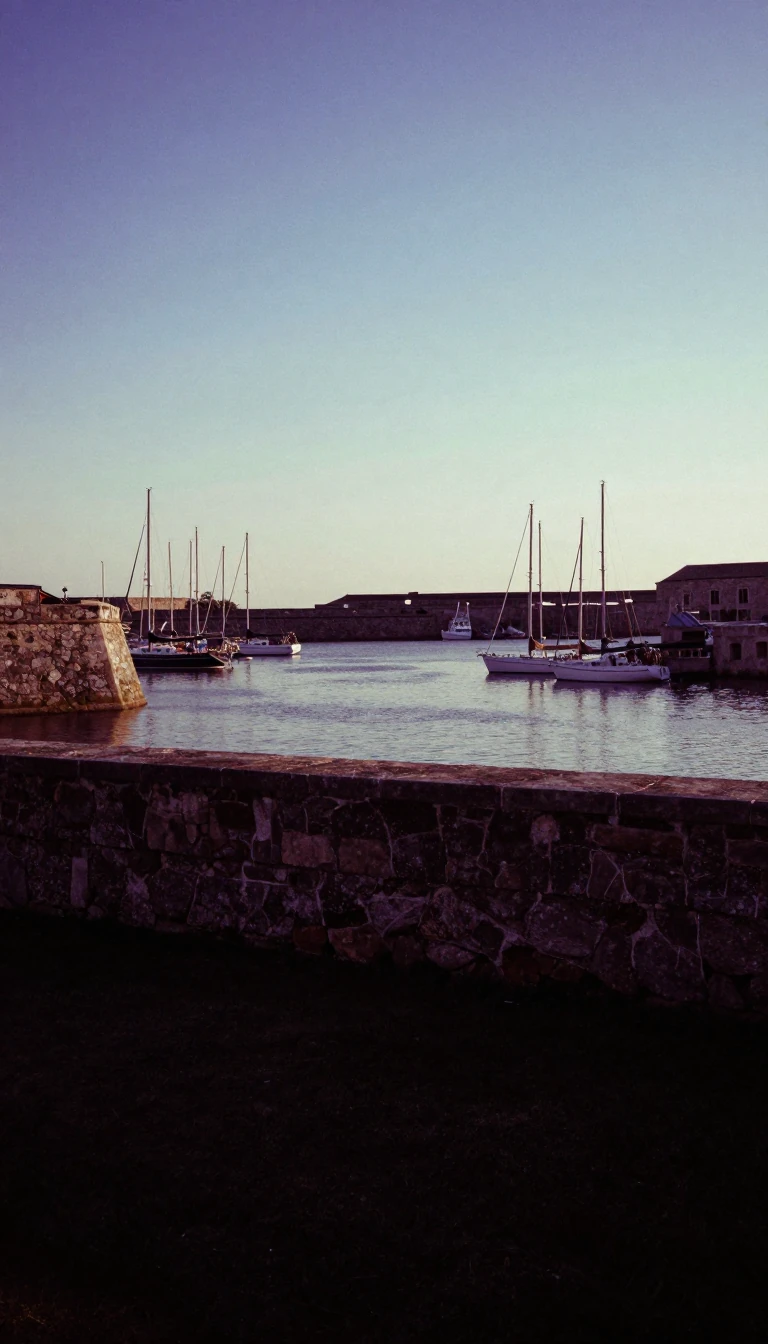
In short: Antium began as a fortified Volscian stronghold, but its strategic location on the Tyrrhenian coast transformed it into a vital Roman asset. From a naval power whose captured ships defined the Roman Forum to an imperial retreat for emperors like Nero, Antium’s history mirrors the rise and fall of Rome.
Founded by people of the Latial culture around the beginning of the 1st millennium BC, Antium served as the primary stronghold for the Volsci. The town was protected by a deep ditch and massive tufa walls. Its power was significant enough that it challenged Rome for centuries, leading to repeated conflicts. In 493 BC, Roman forces captured nearby Volscian towns, and by 468 BC, Rome had seized Antium itself, establishing a Latin colony to secure the territory. The town’s maritime influence was finally dismantled in 338 BC, when Roman consul Gaius Menius defeated the Antiates, burned their fleet, and used the ships' bronze beaks—the rostra—to decorate the speaker's platform in the Roman Forum.
Following its defeat, Antium transitioned into a Roman colony and later a municipium. Its distance from the political turmoil of Rome made it an ideal sanctuary for the elite. Cicero famously retreated there to organize his libraries after returning from exile. The town became a hub for luxury, home to magnificent seaside villas, including the expansive Domus Neroniana, which stretched 800 meters along the coast. Emperors Caligula and Nero were both born in Antium, and Nero later rebuilt the imperial villa on a massive scale, adding a theater and a new harbor in 60 AD.
Beyond its role as a playground for the wealthy, Antium functioned as a critical breadbasket for Rome. However, its prosperity was fragile. During the civil war against Gaius Marius in 87 BC, the town was devastated by Marian troops. Centuries later, barbarian incursions by the Vandals and Goths, followed by Saracen raids, eventually led to the town's decline. By the Middle Ages, the population shifted toward modern-day Nettuno. Today, Antium survives in the historical record as a titular see of the Catholic Church, a testament to its former status as a residential bishopric before the 6th-century collapse.
Opens the Intellect+ feed with this card first. Swipe up for the next one.
Sources
- Summary by Intellect · source: Antium
- Also: Wikidata — Antium · CC0
- Also: Wikidata — Antium · CC0
To cite this card, link to https://intellectplus.co.uk/app/places-antium.
How we source, check and correct cards: Editorial standards.
General information, not professional advice. Spotted an error? Flag the card or see corrections and complaints.
Intellect Plus is a visual educational discovery platform for exploring fascinating facts and ideas. Brain Food, Not Brain Rot. What is Intellect Plus?
Related
More in Historical cities, towns and archaeological sites · More in Countries & Cities · Latest · A–Z · All topics
