Arica is the driest inhabited place on Earth and a site of ancient mummification.
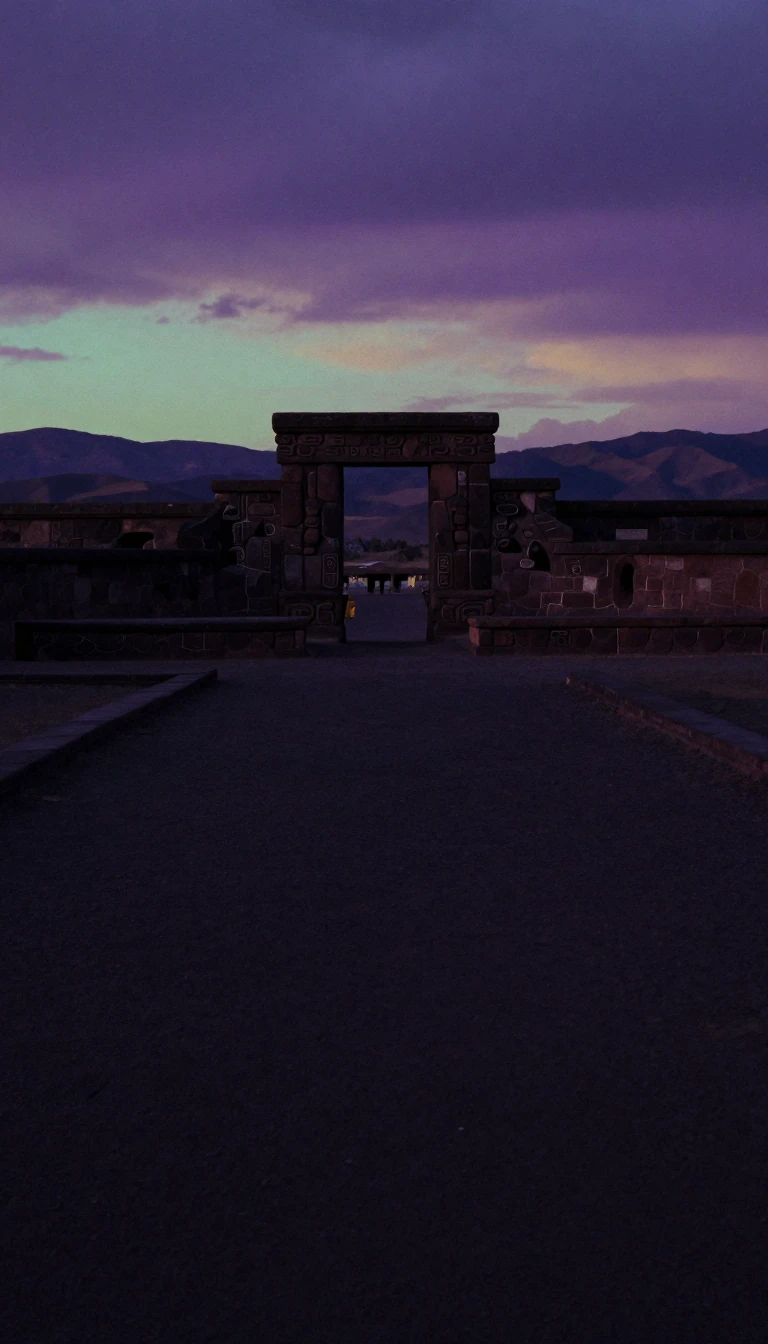
In short: Perched on the edge of the Atacama Desert, this Chilean port city holds a record for near-zero rainfall. Yet, its history is deep, home to the world’s oldest mummification culture—predating Egypt by two millennia—and a complex legacy of colonial silver trade, industrial tragedy, and enduring resilience at the border.
Arica, located just 18 kilometers from the Peruvian border, is defined by its extreme environment. Known as the city of eternal spring, it holds the title of the driest inhabited place on Earth, with an average annual precipitation of only 0.76 millimeters. Despite this aridity, the city has been a human hub for 10,000 years. Archaeological evidence reveals that the region's early inhabitants were the first known culture to practice mummification, a tradition that predates Egyptian techniques by 2,000 years. These ancient remains have been found buried less than one meter beneath the city's modern surface.
The city's strategic value has long attracted global attention. During the 16th century, it served as the primary export hub for silver from Potosí, making it a frequent target for pirates like Francis Drake. Following the War of the Pacific, Arica transitioned from Peruvian to Chilean control, a shift solidified by the 1929 Treaty of Lima. Today, it remains a vital port for Bolivia and a transit point for regional trade, supported by the Pan-American Highway and historic rail connections to La Paz.
However, Arica’s modern history includes a significant industrial disaster. In the mid-1980s, a Swedish company shipped 20,000 tonnes of toxic smelting sludge to the city for processing. The waste, containing lead, arsenic, and mercury, was abandoned in the open, eventually becoming a playground for children in a nearby state-sponsored housing development. By the 1990s, residents began suffering from severe heavy metal poisoning. While cleanup efforts concluded in 2010, the health impacts—including high rates of various cancers and fertility issues—continue to affect the local population, highlighting the long-term consequences of environmental negligence.
Opens the Intellect+ feed with this card first. Swipe up for the next one.
Sources
- Summary by Intellect · source: Arica
- Also: Wikidata — Arica · CC0
- Also: Wikidata — Arica · CC0
To cite this card, link to https://intellectplus.co.uk/app/places-arica.
How we source, check and correct cards: Editorial standards.
General information, not professional advice. Spotted an error? Flag the card or see corrections and complaints.
Intellect Plus is a visual educational discovery platform for exploring fascinating facts and ideas. Brain Food, Not Brain Rot. What is Intellect Plus?
Related
More in Americas · More in Countries & Cities · Latest · A–Z · All topics
