The oldest city in the Americas was thriving 5,000 years ago in Peru
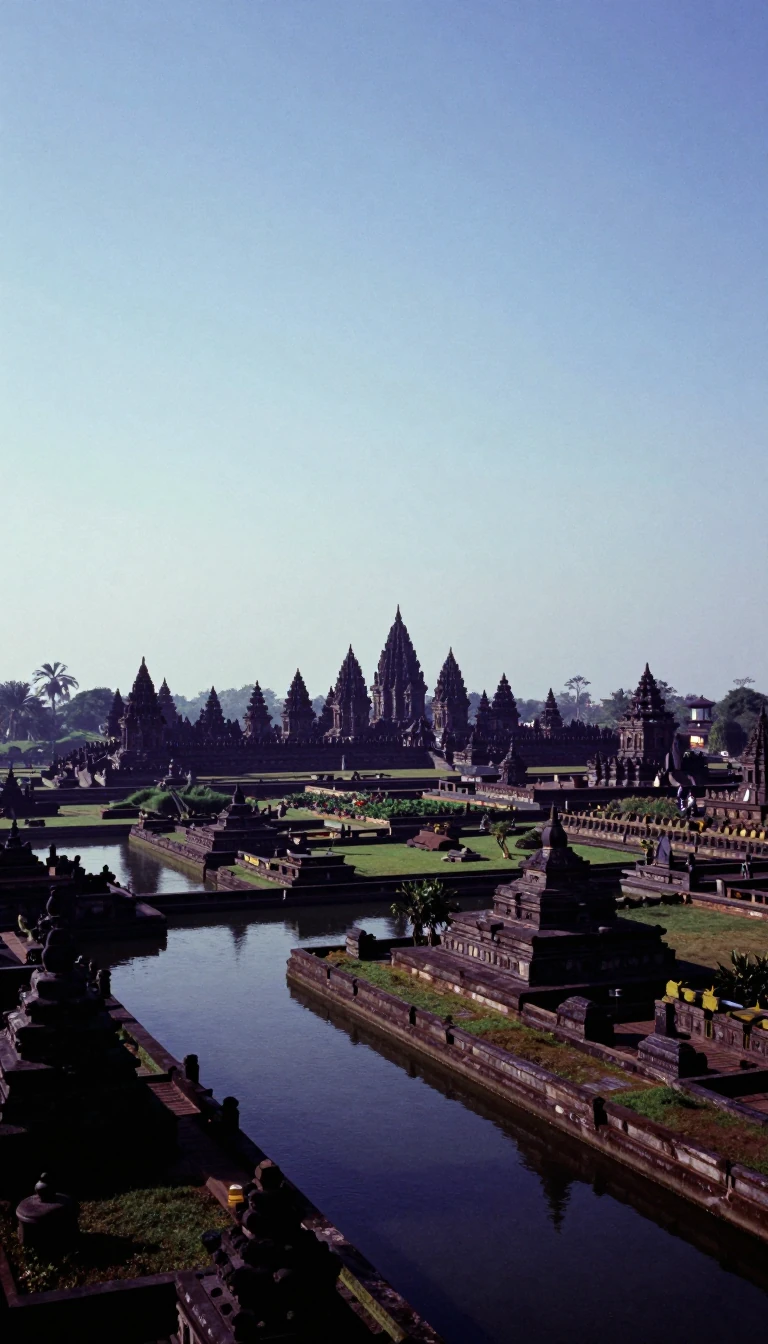
In short: Deep in the Supe Valley, the Sacred City of Caral-Supe stands as a testament to the dawn of civilization in the Americas. Predating the Olmec by 1,500 years, this remarkably intact site reveals how a complex society mastered monumental architecture and urban planning long before the rise of later empires.
Caral-Supe, located 182 kilometres north of Lima, is widely considered the oldest city in the Americas. Radiocarbon analysis dates the site to between 3000 and 1800 B.C., placing its development firmly within the Late Archaic period. Spanning 626 hectares on a desert terrace, the city served as the heart of a sophisticated socio-political state that influenced settlements across the Peruvian coast for centuries.
The city is defined by its masterful design, featuring massive earthen platform mounds and sunken circular courts. These architectural elements were not merely aesthetic; they were powerful expressions of a consolidated state. The site also provides early evidence of the quipu, a recording device that would become a hallmark of later Andean civilizations. Unlike many other archaeological sites, Caral remained largely untouched by looters, partly because it lacked gold and silver, and because it was abandoned early in its history.
While the city itself was a hub of administration and ceremony, it maintained a close relationship with coastal settlements like Áspero. Excavations at Áspero have uncovered evidence of human sacrifice, including children and a newborn, as well as the remains of a woman believed to be part of the local elite around 2500 B.C. After its initial decline, the main site of Caral saw only sporadic, non-systematic occupation, once around 1000 B.C. and again between 900 and 1440 A.D. Because these later inhabitants stayed on the outskirts, the core of the ancient city remained remarkably preserved.
Today, the site is recognized as a UNESCO Humanity Cultural Heritage site. Its preservation is aided by the surrounding landscape, which remains largely dedicated to non-industrialized agriculture. With no modern permanent structures nearby, Caral offers a rare, authentic window into the formative period of American civilization, showcasing a level of complexity and urban planning that was unmatched in the region at the time.
Opens the Intellect+ feed with this card first. Swipe up for the next one.
Sources
- Summary by Intellect · source: Caral
- Also: Sacred City of Caral-Supe
- Also: Wikidata — Caral · CC0
To cite this card, link to https://intellectplus.co.uk/app/places-caral.
How we source, check and correct cards: Editorial standards.
General information, not professional advice. Spotted an error? Flag the card or see corrections and complaints.
Intellect Plus is a visual educational discovery platform for exploring fascinating facts and ideas. Brain Food, Not Brain Rot. What is Intellect Plus?
Related
More in World Heritage Sites · More in Countries & Cities · Latest · A–Z · All topics
