How a desert garrison transformed into a city of white marble and mystery
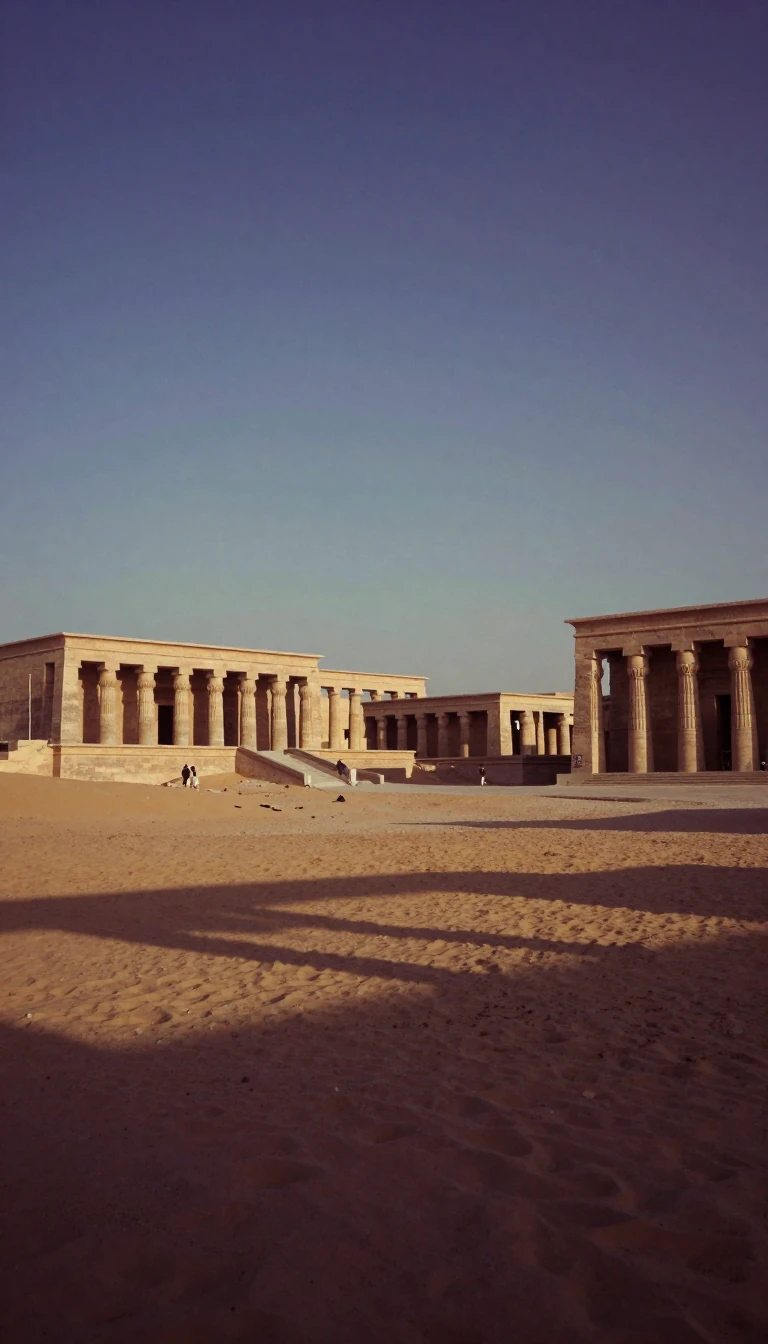
In short: Founded as a Russian military outpost in 1881, Ashgabat has endured total destruction and radical reinvention. Today, the capital of Turkmenistan stands as a sprawling, modern metropolis defined by its vast white marble architecture, a unique urban layout, and a history that stretches back to the ancient Silk Road.
Ashgabat occupies a precarious position between the arid Karakum Desert and the seismically active Köpetdag mountains. Originally established as a garrison on the site of a Turkmen village, the city grew rapidly due to its strategic proximity to the Persian border. By the late 19th century, it had evolved from a cluster of adobe dwellings into a tidy administrative center with European-style amenities, including high schools and a library, supported by the arrival of the Trans-Caspian railway in 1885.
The city's trajectory shifted violently in 1948 when a massive earthquake leveled nearly every structure, leaving only a few reinforced buildings standing. The subsequent Soviet-era reconstruction favored a utilitarian, Brutalist aesthetic that defined the skyline for decades. However, following independence, the city underwent a dramatic transformation under the 'White City' project. This initiative replaced older districts with monumental, white marble-clad projects, earning Ashgabat a place in the Guinness World Records for the highest concentration of such buildings.
Modern Ashgabat is a product of constant expansion and state-led planning. Since the 1970s, the city has annexed numerous surrounding villages and farms, significantly increasing its land area. Recent decades have seen the implementation of numbered 'lines' of high-rise residential development, alongside the creation of greenfield projects like the resort complex at Golden Lake. Despite these rapid changes, the city retains its role as the economic and cultural heart of Turkmenistan, bridging its ancient roots as the Silk Road city of Konjikala with its current status as a highly planned, modern capital.
Opens the Intellect+ feed with this card first. Swipe up for the next one.
Sources
- Summary by Intellect · source: Ashgabat
- Also: Ashgabat | Turkmenistan, Map, & Population | Britannica
- Also: Wikidata — Ashgabat · CC0
To cite this card, link to https://intellectplus.co.uk/app/places-ashgabat.
How we source, check and correct cards: Editorial standards.
General information, not professional advice. Spotted an error? Flag the card or see corrections and complaints.
Intellect Plus is a visual educational discovery platform for exploring fascinating facts and ideas. Brain Food, Not Brain Rot. What is Intellect Plus?
Related
More in Capital cities · More in Countries & Cities · Latest · A–Z · All topics
