Why these ancient mountain fortresses were designed to be impossible to conquer
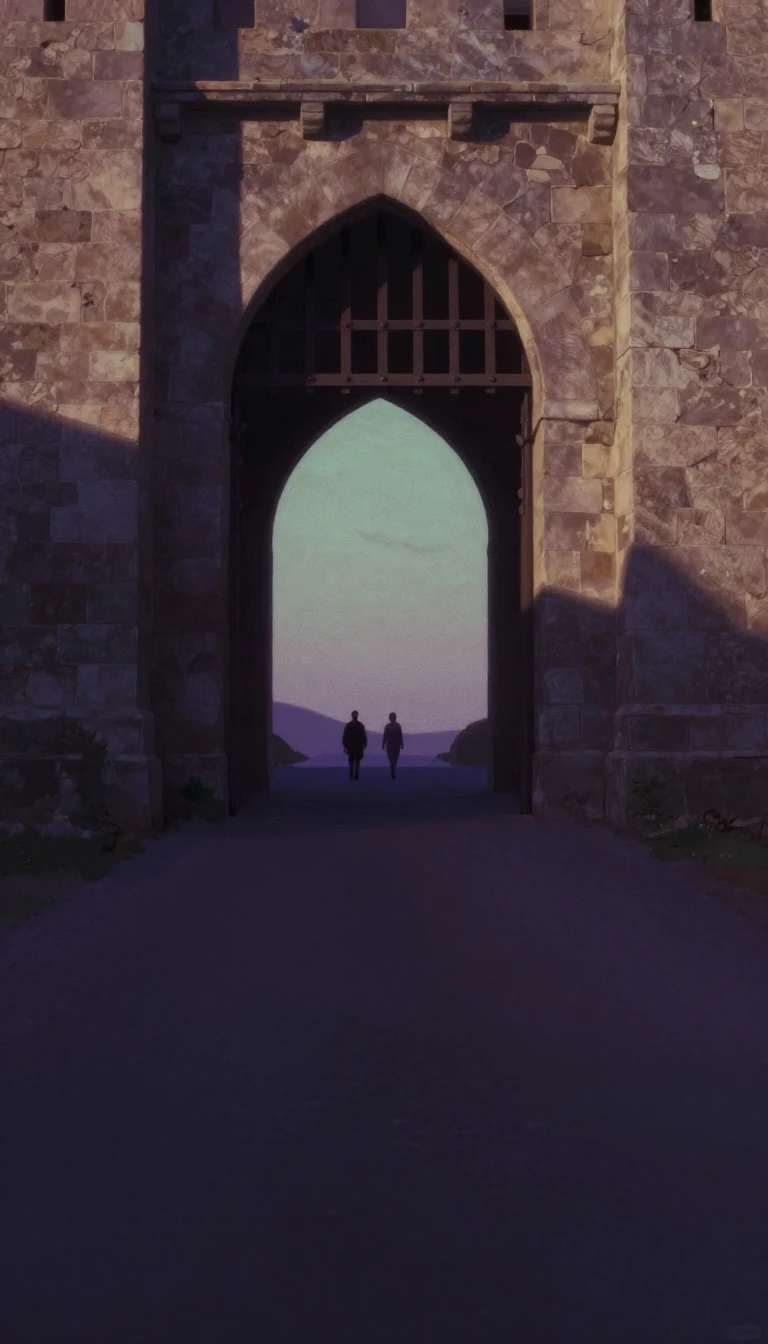
In short: The aul is a masterclass in defensive urban planning. Found across the Caucasus and Central Asia, these fortified settlements were built into cliff faces, using staggered architecture to neutralize invaders. They prioritized survival over convenience, often sacrificing proximity to water and farmland for the safety of high-altitude, wind-sheltered stone walls.
An aul, a term literally meaning village, represents a unique architectural tradition adapted to the rugged topography of the Caucasus, the Volga region, and Central Asia. Rather than sprawling across flat plains, these settlements were strategically positioned on ridge faces or directly against cliffs. This placement was not merely aesthetic; it was a calculated defensive measure designed to protect inhabitants from surprise attacks during periods of regional instability.
The structural design of an aul is remarkably consistent. Houses are typically two stories high and arranged in a staggered formation. This layout created a labyrinthine environment that made it nearly impossible for an enemy to navigate the village roads effectively. Furthermore, the orientation of these homes was deliberate, with a southern aspect chosen to maximize winter sun exposure while providing a natural barrier against harsh northern winds. Because these sites were chosen for defense rather than agricultural utility, they often lacked immediate access to water or fertile soil, requiring residents to transport essential resources into the settlement.
The effectiveness of these designs was proven during the 19th century, as Russia attempted to conquer the Caucasus. The auls proved to be formidable strongholds that were notoriously difficult to capture, often requiring a direct storming of the position. Today, the legacy of this architecture persists, most notably in Svaneti, Georgia, where medieval towers have earned World Heritage status. Similar defensive towers are also found in Ingushetia, serving as enduring monuments to a culture that prioritized security through innovative, high-altitude urban planning.
Opens the Intellect+ feed with this card first. Swipe up for the next one.
Sources
- Summary by Intellect · source: Aul
To cite this card, link to https://intellectplus.co.uk/app/places-aul.
How we source, check and correct cards: Editorial standards.
General information, not professional advice. Spotted an error? Flag the card or see corrections and complaints.
Intellect Plus is a visual educational discovery platform for exploring fascinating facts and ideas. Brain Food, Not Brain Rot. What is Intellect Plus?
Related
More in Urban studies and planning · More in Countries & Cities · Latest · A–Z · All topics
