The Persian Citadel That Once Guarded the Caspian Gates Against Northern Invaders
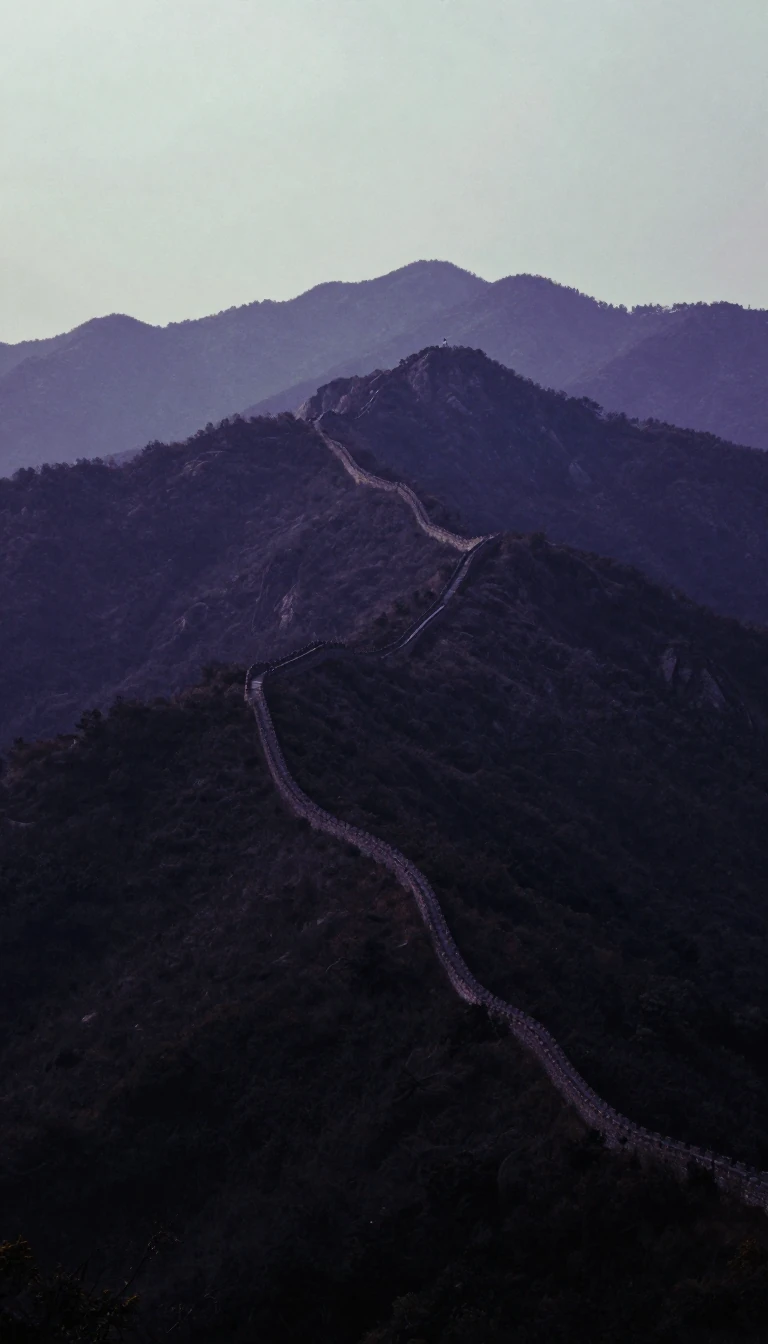
In short: Perched on a ridge where the Caucasus Mountains meet the sea, Naryn-Kala was the linchpin of a massive defensive system. This ancient Persian citadel, built in the 6th century, blocked the narrow Caspian passage, protecting empires from northern nomads and serving as a vital center for trade and culture.
Constructed by the Sasanian ruler Khosrov I Anushirvan between 531 and 579, Naryn-Kala sits at the narrowest point of the Caspian Pass. This strategic location forced the fortress to act as a gatekeeper, with double walls extending to the sea to prevent bypasses in shallow water and a 40-kilometer mountain wall, Dagh-Bary, securing the inland valleys. The citadel itself covers 4.5 hectares, featuring walls up to 25 meters high that were designed to withstand prolonged sieges.
The site’s history is layered like tree rings, with successive owners updating its architecture over centuries. Inside, the citadel contains remnants of a bathhouse, a ceramic water supply system, and the ruins of a palace. A cross-domed structure remains a subject of debate among experts; while some interpret it as a 4th or 5th-century Christian church, others argue its orientation and lack of water conduits suggest it served as a reservoir or storage facility.
Though legends once linked the site to Alexander the Great, historical evidence confirms he never reached these gates. Instead, the fortress became a military and administrative hub for the Arab Caliphate by 735 and later witnessed the arrival of Peter the Great, who received the city's keys here. Today, as a UNESCO World Heritage site, Naryn-Kala remains a focus of ongoing archaeological research, offering a tangible record of the shifting powers that vied for control of this narrow, vital strip of land.
The fortress's name, Naryn-Kala, is often translated as 'Sunny Fortress,' though some traditions suggest it was named for the daughter of a Persian Shah, with 'Naryn' meaning 'tender' or 'beautiful.' Regardless of its etymology, the structure stands as a testament to the engineering prowess required to secure the frontier between Transcaucasia and the northern steppes.
Opens the Intellect+ feed with this card first. Swipe up for the next one.
Sources
- Summary by Intellect · source: Naryn-Kala
To cite this card, link to https://intellectplus.co.uk/app/places-naryn-kala.
How we source, check and correct cards: Editorial standards.
General information, not professional advice. Spotted an error? Flag the card or see corrections and complaints.
Intellect Plus is a visual educational discovery platform for exploring fascinating facts and ideas. Brain Food, Not Brain Rot. What is Intellect Plus?
Related
More in World Heritage Sites · More in Countries & Cities · Latest · A–Z · All topics
