 Intellect Plus
Urban studies and planning
62 cards. Each one is a 40-second story with a five-minute read behind it.
 How two European universities joined forces to study urban careDiscover the origins of a cross-border academic partnership between Austria and Sweden. This episode explores how researchers from TU Wien and KTH Royal Institute of Technology co…
- Can cities become self-sustaining ecosystems instead of just green spaces?Traditional conservation often ignores our most biodiverse crisis zones: our own cities. Urban rewilding seeks to move beyond mere landscaping toward creating self-sustaining, bio…
 How architecture functions as a tool for social controlBa Sing Se is more than a fictional fortress; it is a masterclass in how urban planning can manipulate human behavior and enforce inequality.
 By 2050, nearly 70% of humanity will live in citiesWe are hurtling toward a world where the majority of humans reside in urban centers. This demographic shift creates a massive laboratory for human survival, forcing us to engineer…
 Why Bronze Age Cities Rivaled Modern Engineering StandardsThe Indus Valley Civilization achieved sophisticated urban planning centuries before the advent of modern engineering. This documentary explores how these ancient cities were buil…
 From policy to property: the versatile landscape of urban studiesUrban studies is often mistaken for a narrow path toward city planning. In reality, it serves as an interdisciplinary gateway to diverse sectors including law, sustainability, and…
 How urban design dictates the flow of modern city lifeExplore how the intersection of transportation and architecture shapes our daily experiences. This program examines the complex balance between innovative design and the logistica…
- The 'Stooge Age' and the fight for Dalit autonomyKanshi Ram didn't just want representation; he wanted a revolution against political dependency. By coining the term 'chamcha' (stooge), he attacked leaders who traded Dalit inter…
 How India's Top Diplomat Evolved From Career Bureaucrat to Global Foreign Policy ArchitectThe Minister of External Affairs is one of India's most senior cabinet roles, responsible for steering the nation's global interests. While historically held by politicians, the o…
- The Uru people build their own floating islands from reeds that rot and sinkIn the high-altitude waters of Lake Titicaca, the Uru people live on artificial islands constructed entirely from bundles of dried totora reeds. These floating platforms are not p…
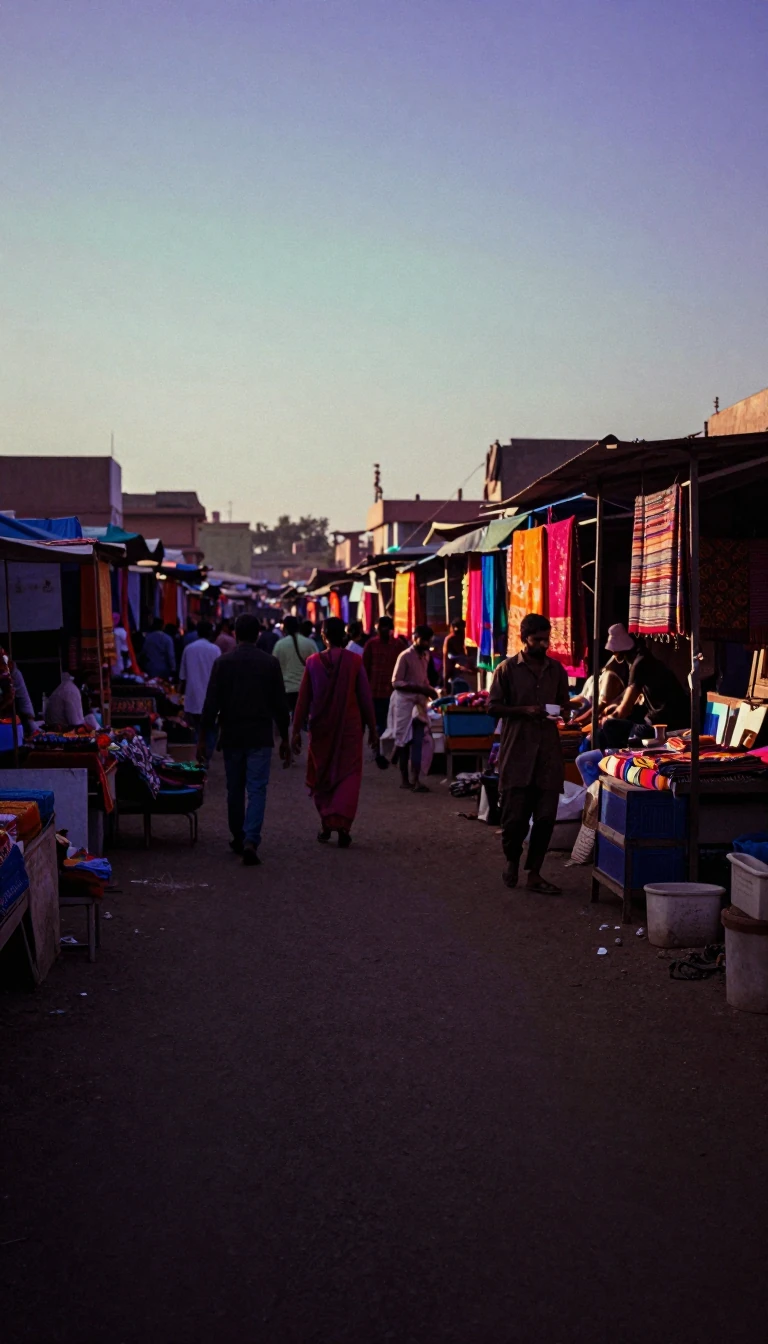 How the Medak constituency became a pivotal stage for India's political power playersLocated in the southern Indian state of Telangana, the Medak Lok Sabha constituency serves as a significant electoral district within the national parliament. While historically a…
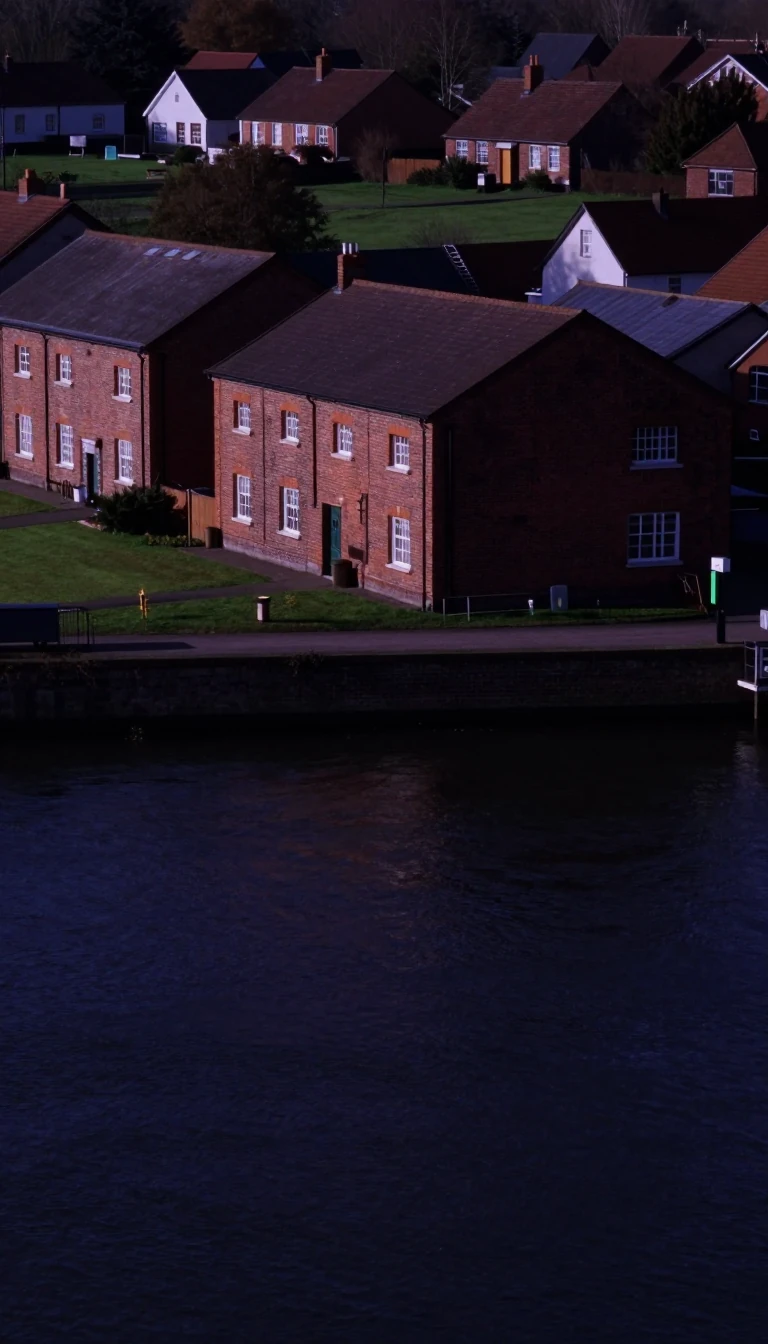 A Canadian city isolated by mountains and sea, yet home to a historic industrial legacy.Powell River, British Columbia, is a coastal community defined by its striking geography. Hemmed in by steep-sided fjords and the Pacific Ocean, it remains accessible only by air …
 How a Queens neighborhood became a garden city and a hub for global migrationSunnyside, Queens, evolved from colonial farmland into a planned garden-city experiment and a diverse residential enclave. While its iconic brick rowhouses reflect 1920s urban pla…
- Why Phulpur remains one of the most storied parliamentary constituencies in northern IndiaLocated in the Prayagraj district of Uttar Pradesh, Phulpur is far more than just a standard electoral zone. Known as Nehru's constituency, it holds a unique place in Indian polit…
 If a lobster jumps, does it become a fish?In the early 1960s, a maritime dispute between Brazil and France nearly escalated into full-scale war. The battlefield wasn't a disputed island, but the biological classification …
- The Great Turtle of the Great Lakes has no carsOn this 4.35 square mile Michigan island, the sounds of engines are replaced by the clip-clobby of hooves. Known as 'Great Turtle' in the indigenous Ojibwe language, Mackinac Isla…
 How an American touring ban birthed a uniquely English masterpieceIn 1968, the Kinks released an album that failed to chart but redefined rock. Born from a US performance blacklist and a longing for vanishing traditions, 'Village Green' transfor…
 A railroad junction that became a hub of cultural extremesTracy, California, is more than just a transit point between San Francisco and the Central Valley. From its origins as a Chinese-built railroad junction to hosting some of the 20t…
 How a Denver airport's design flaws forced a massive relocationStapleton International Airport was once a vital hub for major airlines like United and Continental. However, its physical limitations—including runways that were too short for th…
- The private town that rewrote the rules of American urban designSeaside, Florida, isn't just a beach destination; it is a living laboratory for New Urbanism. By bypassing municipal oversight, developers created a master-planned community that …
 Your preferred walking speed is a biological masterpiece of optimizationWhy do you walk at the specific pace you do? It isn't random. Your body naturally selects a speed that balances mechanical efficiency, metabolic fuel use, and physical stability. …
 From Bucharest to Athens: The Global Career of Romanian Midfielder Răzvan MarinBorn in Bucharest and developed in the Viitorul Constanța academy, Răzvan Marin has navigated a decade of European football. From winning the Belgian Cup with Standard Liège to re…
- A decorated general turned politician, Yair Golan advocates for a radical shift in Israel.Yair Golan, a former IDF Deputy Chief of Staff, has transitioned from military leadership to the forefront of Israeli politics. Now leading The Democrats, he promotes a vision of …
 The American hobo: a migrant worker defined by travel, labor, and a secret codeWhile often confused with tramps and bums, the hobo is a distinct figure in American history: a migratory laborer who travels by freight train to find work. Though their culture i…
 How a Jamaican welder became the global face of the rude boy subcultureBefore he was an international reggae icon, Desmond Dekker was a welder in Kingston who sang on the job. His transition from industrial worker to musical pioneer helped define the…
 The silent architecture of care: how caregivers sustain the lives of the vulnerableCaregivers are the essential, often invisible, bridge between medical systems and daily survival. Whether formal professionals or unpaid family members, they manage everything fro…
 Broadband is a relative term that evolved from radio engineering to modern internet access.Originally a technical term for wide-frequency radio signals, broadband has been repurposed to describe the high-speed, always-on internet access we rely on today. Beyond marketin…
 The Kafala system binds millions of migrant workers to their employers across the Middle East.Across the Gulf Arab states, Jordan, and Lebanon, the kafala system dictates the lives of millions of migrant workers. By tethering residency and legal status to a single employer…
 Can walkable, traditional neighborhood design actually cure the ills of modern urban sprawl?New Urbanism emerged in the 1980s as a direct challenge to post-World War II suburban development. By prioritizing walkable streets, mixed-use spaces, and diverse housing, this mo…
 Why the non-Hispanic White population is shrinking as a share of the American totalWhile the absolute number of non-Hispanic Whites in the United States has continued to grow, their relative share of the total population has plummeted from nearly 90 percent in 1…
 The hidden history of Romani slavery in the Danubian principalities of RomaniaFor centuries, Romani people in Wallachia and Moldavia lived as enslaved property, a reality often omitted from modern national narratives. While their ancestors arrived from Indi…
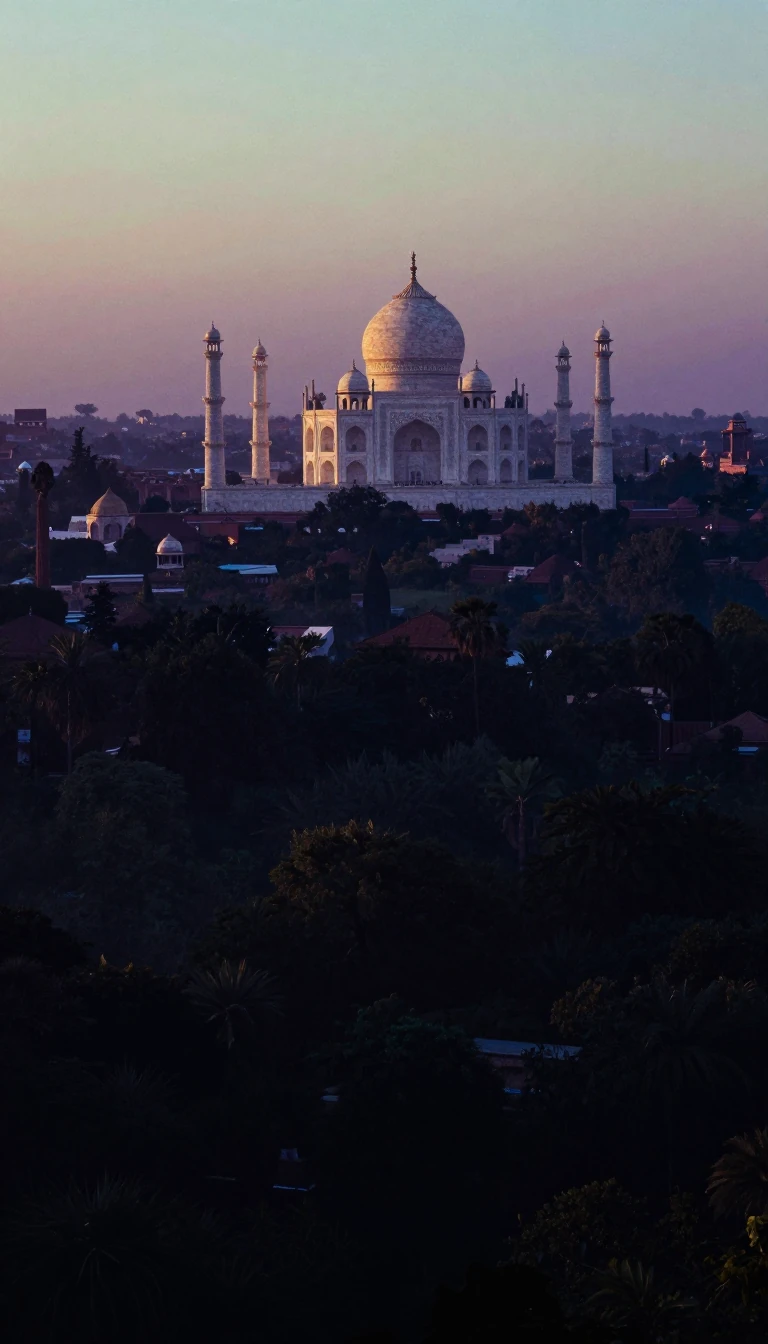 Beyond the shack: how informal settlements evolve into the cities of tomorrowShanty towns are often dismissed as mere collections of scrap, yet they house millions and frequently evolve into permanent, thriving urban neighborhoods. From the favelas of Braz…
 How a 17th-century colonial rebellion helped forge the modern concept of white identityThe Southern United States is often viewed as a monolith, yet its origins are a complex tapestry of European immigration, plantation economics, and religious shifts. From the aris…
- Why the modern city is returning to the ancient pattern of mixed-use livingFor decades, zoning laws forced us to separate where we sleep from where we work and shop. Today, urban planners are reversing this trend. By blending residential, commercial, and…
- Why do some towns stretch for miles instead of clustering around a central square?Most towns grow around a central hub, but linear settlements defy this norm by stretching along a single axis. Whether shaped by the path of a river or the constraints of a valley…
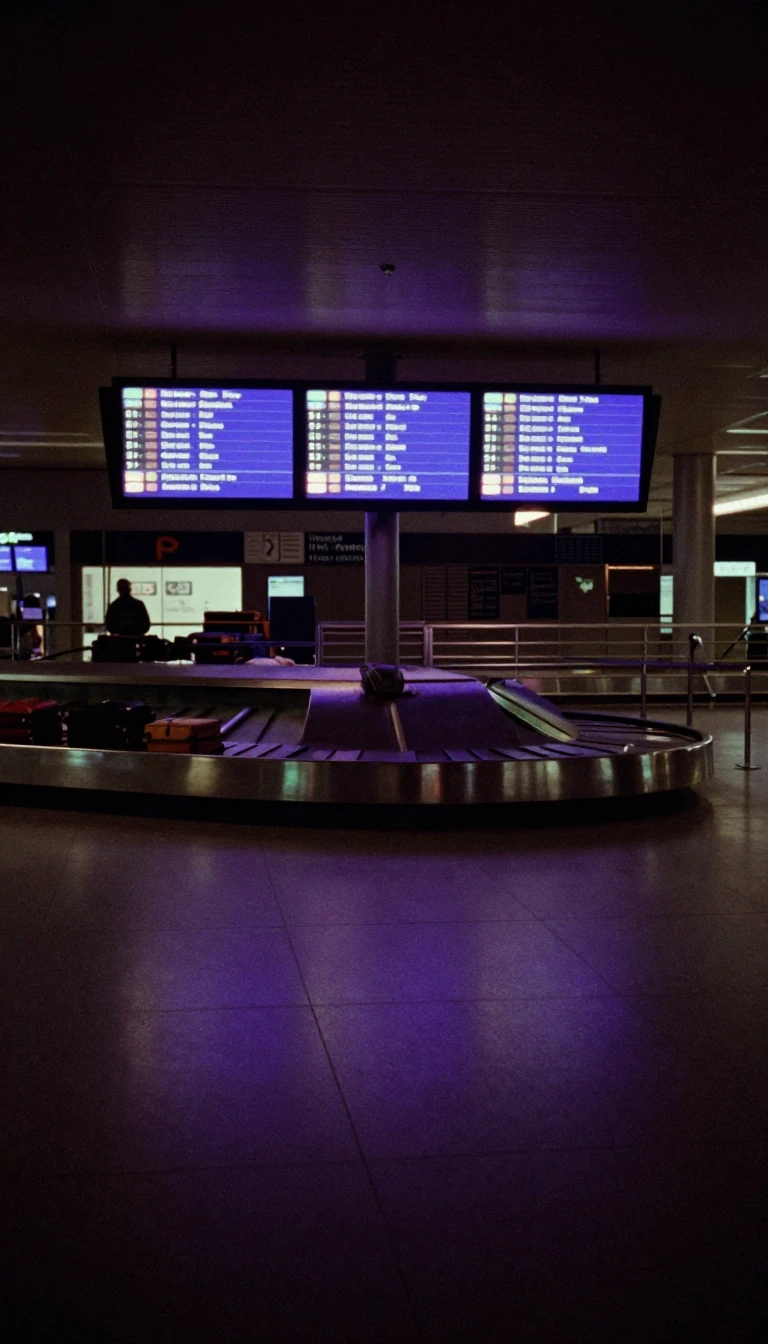 Why the modern layover is evolving from a travel nuisance into a destinationOnce a simple necessity for refueling horses or changing crews, the layover has transformed. While airlines traditionally aimed to minimize these gaps to speed up travel, the indu…
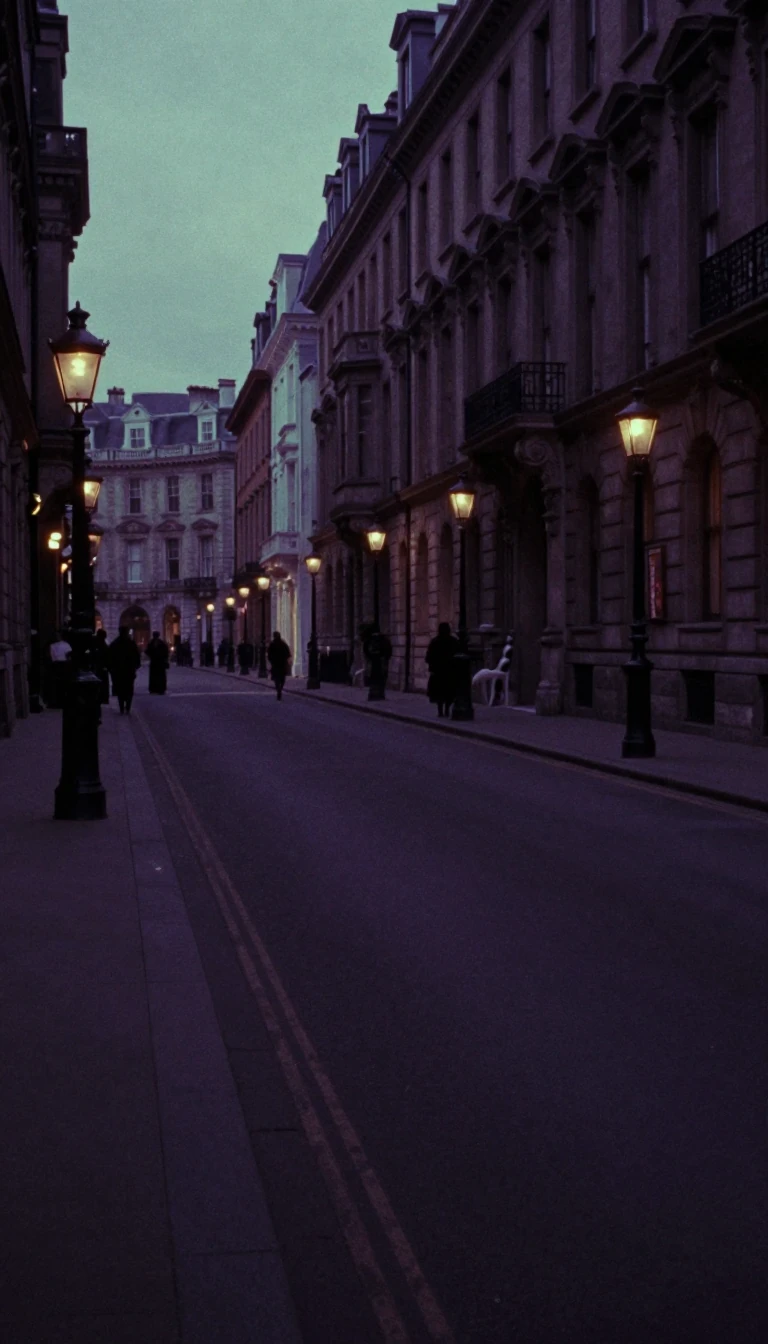 Urban renewal: A quest to fix city decay or a tool for displacement?Urban renewal aims to revitalize aging neighborhoods by upgrading infrastructure and clearing blight. While these initiatives promise economic growth and modern living, they frequ…
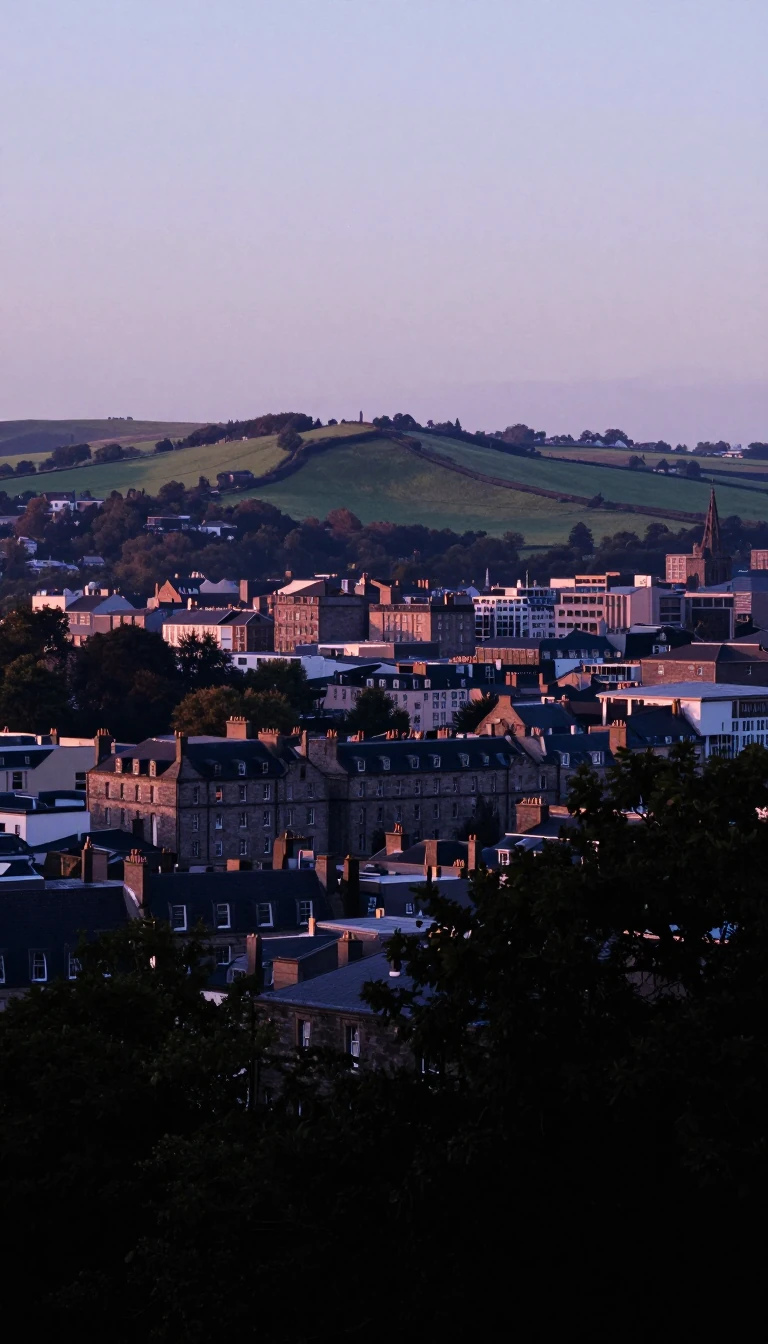 Why cities grow outward even when their populations shrink or stay the sameUrban sprawl is often blamed on rising populations, but data reveals a more complex reality. In many regions, the physical footprint of cities expands far faster than the number o…
 Why the study of cities is more than just architecture and urban designUrban studies is a transdisciplinary field that examines how human values and social interactions shape the physical environment. By blending geography, sociology, and public poli…
 Why a simple patch of grass can stop a multi-million pound development projectHistorically, village greens were humble grazing lands for livestock. Today, they are protected legal entities in England and Wales. By proving twenty years of continuous public u…
- Why the most walkable cities are designed to be more than just transit corridors.Walkability is more than just having sidewalks. It is a complex synergy of density, mixed-use zoning, and accessible networks that prioritize human movement over vehicle throughpu…
- Is white flight a myth or a reality of modern urban demographic shifts?The term white flight describes the mass departure of white residents from diverse urban centers to suburbs. While long considered a clear indicator of racial avoidance, recent re…
- Why the modern city is no longer defined by its physical boundariesUrbanism is more than just city planning; it is the study of how we interact with our built environment. While once tied to specific geographic borders, modern urban life has expa…
 Why the difference between a street and a road defines your city's soulWhile we often use the terms interchangeably, urban planners distinguish between them by function. A road is a conduit for movement, designed for through-traffic. A street, by con…
 Why the dream of suburban living often masks a complex web of hidden costs.Suburbanization promised a retreat from urban chaos, offering space and safety for growing families. Yet, this shift has reshaped global economies, strained public infrastructure,…
 Why the town square is more than just a patch of open groundFrom the Italian piazza to the Spanish plaza, the town square has served as the heartbeat of urban life for centuries. While often associated with markets and community gatherings…
 Can we solve urban sprawl by clustering our lives around public transit hubs?Transit-oriented development reimagines cities by centering jobs, housing, and amenities around transit stations. By creating dense, walkable, mixed-use communities, this strategy…
 Why the modern city park is a product of Victorian ambition and social engineeringUrban parks are rarely just patches of grass. From their origins as private philanthropic projects to their evolution into tools for social integration and wildlife refuge, these …
 Why industrial parks are the hidden engines of modern global manufacturing and commerceIndustrial parks are far more than mere clusters of factories. They are meticulously planned zones designed to concentrate heavy infrastructure, reduce operational costs, and shie…
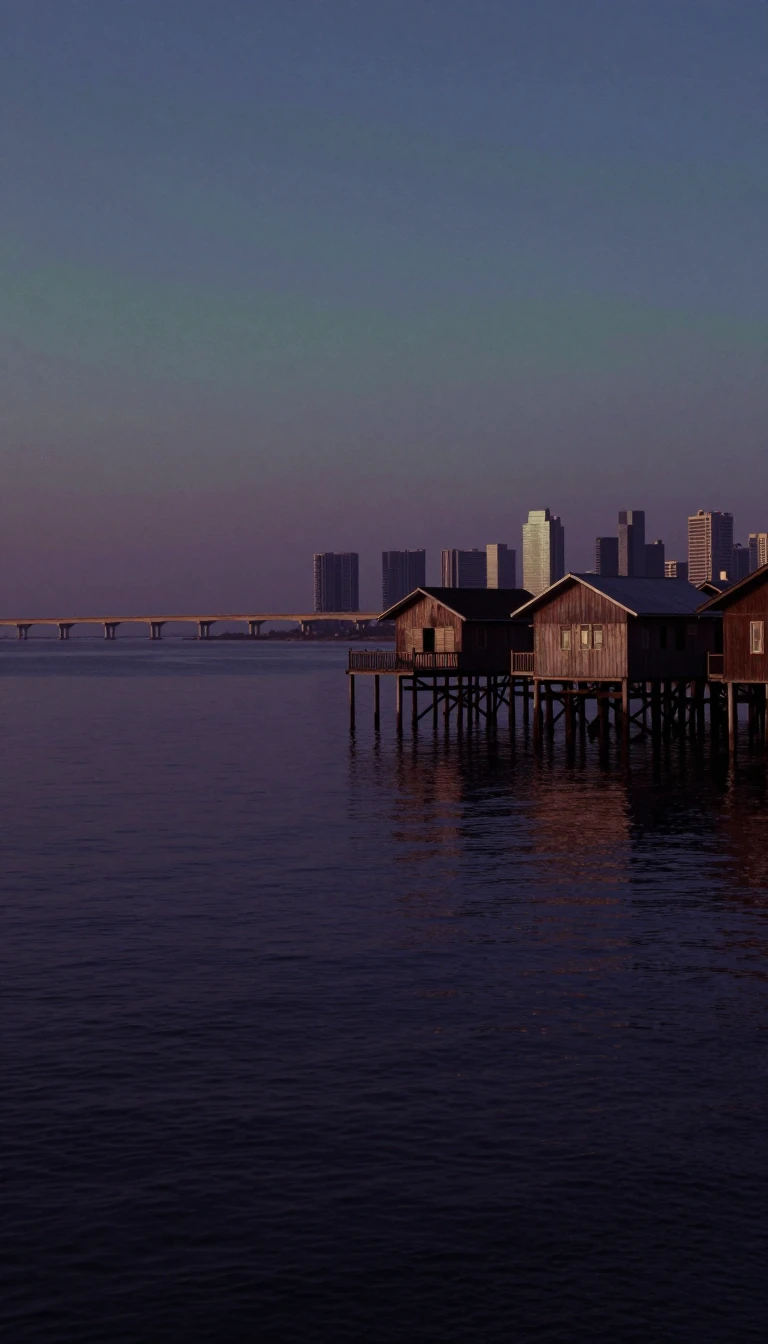 Beyond the village: How the kampong shaped the soul of Southeast Asian citiesThe kampong is more than a traditional village; it is a foundational unit of Southeast Asian life. From rural hamlets to dense urban enclaves, these settlements have evolved from …
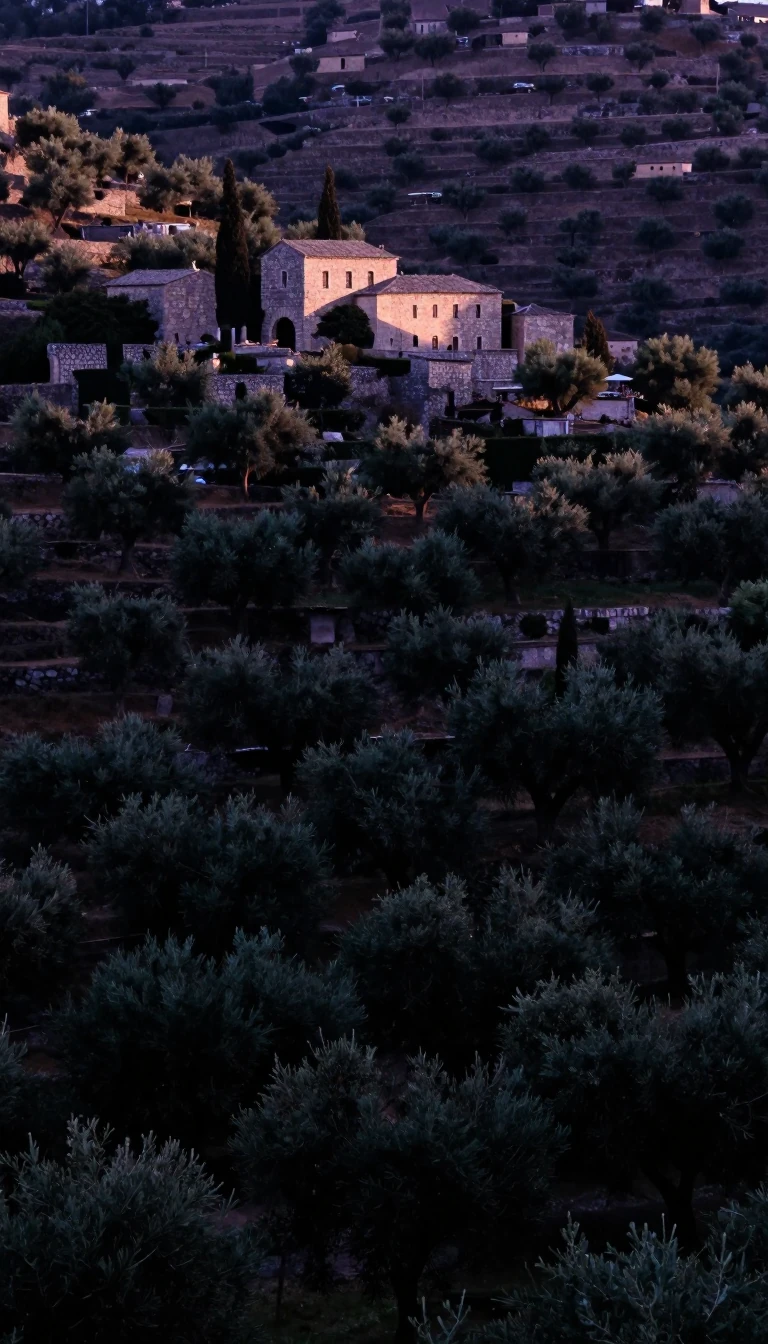 How a utopian experiment in the desert became a pillar of Israel's modern economyBorn from the harsh realities of Ottoman Palestine, the kibbutz began as a radical, collective solution to survival. These intentional communities combined socialism and Zionism t…
- Why do most pedestrian zones fail, while others transform their cities into thriving hubs?Pedestrian zones promise cleaner air, safer streets, and booming retail. Yet, history shows that many early attempts in the United States were abandoned, with 90% reverting to car…
 From Neolithic settlements to modern resorts, the fishing village is constantly evolvingFor millennia, fishing villages have anchored human life to the water, from the stilt houses of Asia to the stone dwellings of ancient Scotland. While some remain traditional, oth…
- Is the public square dying, or are we just redefining where democracy happens?We often think of public space as town squares and parks, but the concept is shifting. From privately owned shopping malls to parking lots turned into social hubs, the boundaries …
 How do we define the character of a neighborhood using census data?Beyond simple zoning, residential areas are complex ecosystems defined by demographic, economic, and social patterns. By applying advanced clustering techniques to census data, re…
 The daily commute is a modern invention born from 1840s steam railway ticketsWe think of commuting as a standard part of life, but it is a relatively recent phenomenon. The term originated in 1840s American cities, where railways offered reduced or commute…
 Why the heart of the American city is no longer where you thinkThe term downtown once described the original settlement of a city, but its meaning shifted as urban centers expanded. Originally a geographic marker in Manhattan, the word evolve…
- Why do we build towns where nobody works? The rise of the bedroom community.Commuter towns are residential enclaves designed for sleep, not industry. Whether born from housing crises, intentional zoning, or the expansion of rail networks, these settlement…
- Why your city's downtown and its business district are rarely the same placeWe often use city centre and central business district interchangeably, but they are distinct concepts. While a business district focuses on economic power, a city centre encompas…
- Why your city is organized into distinct zones for business and livingCommercial areas are more than just clusters of shops and offices. They are the economic engines of our communities, carefully curated by city planners to balance commerce with re…