How a Louisiana parish became a crossroads of rivers, cultures, and ancient history
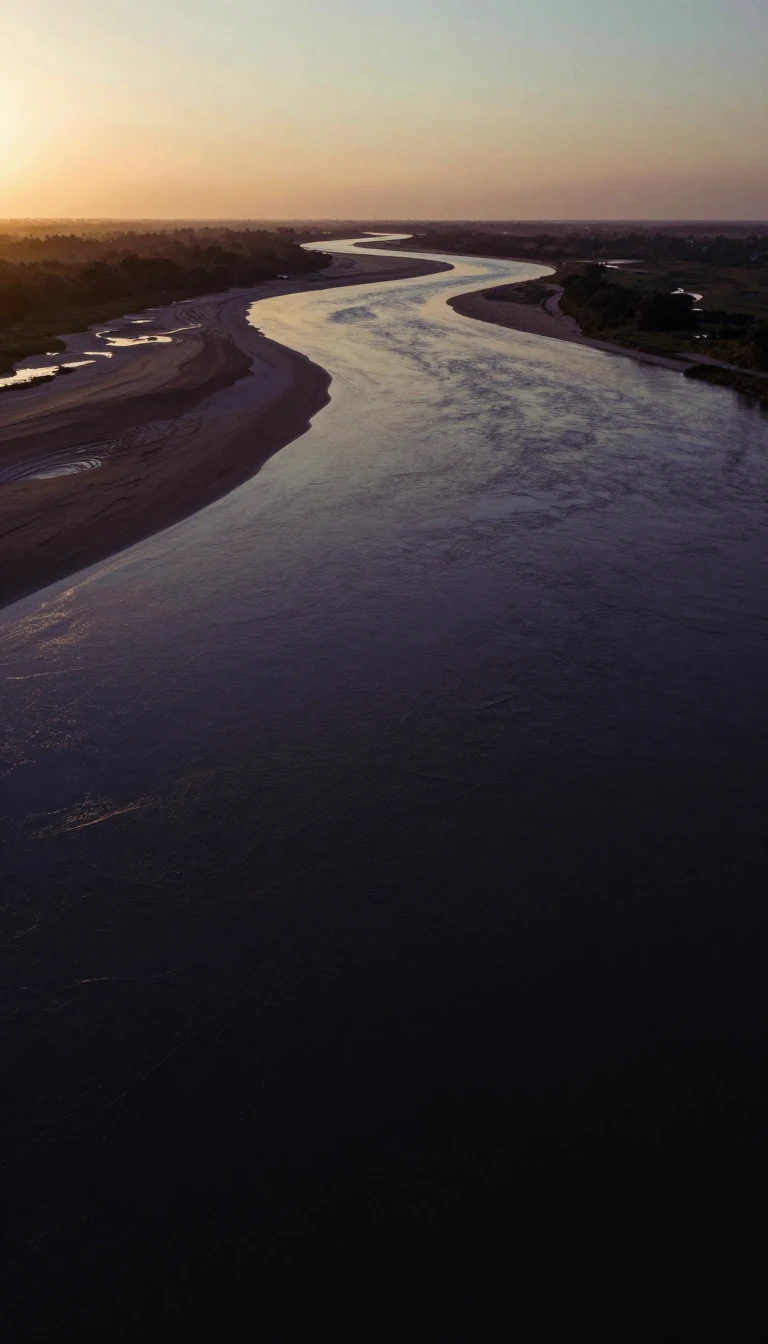
In short: Nestled in central Louisiana, Avoyelles Parish is a landscape defined by shifting waterways and a unique cultural tapestry. From ancient Mississippian burial mounds to the legacy of French colonial settlers and the federally recognized Tunica-Biloxi Tribe, this region holds a complex history that defies simple classification as merely Cajun or Creole.
Avoyelles Parish, created in 1807, sits on a plateau overlooking the confluence of the Red, Atchafalaya, and Mississippi rivers. Its geography has been central to its identity since Native Americans first occupied the area around 300 BC. The Mississippian culture, which thrived from about 900 AD to 1500 AD, left behind three large burial mounds in the parish seat of Marksville, serving as a testament to a vast trading network that once stretched from the Gulf Coast to the Great Lakes.
The parish's cultural identity is a distinct blend of Native American, African, and European influences. While often grouped with southern Acadiana parishes today, local families historically identified as Creoles—descendants of early French colonists. The region’s French roots are deep; early settlers referred to the area as Hydropolis, or water city, due to its bayous and marshes. These settlers navigated the landscape using pirogues, a tradition adapted from indigenous canoe travel. The French language spoken in the parish retains archaic terms from the Napoleonic era that have long since vanished from modern France.
The 20th century brought significant environmental and political changes. The Great Flood of 1927 devastated the region, leading the U.S. Army Corps of Engineers to construct a system of levees that altered the local hydrology. Simultaneously, the political organization of indigenous groups culminated in the 1981 federal recognition of the Tunica-Biloxi Indian Tribe. Today, the tribe operates a land-based casino in Marksville, which sits partly on reservation land. Despite its classification as a Cajun parish in the 21st century, Avoyelles remains a unique intersection of diverse histories, from the influence of free people of color from Saint-Domingue to the later 19th-century arrival of Belgian, Italian, and German immigrants.
Opens the Intellect+ feed with this card first. Swipe up for the next one.
Sources
- Summary by Intellect · source: Avoyelles Parish, Louisiana
- Also: Avoyelles Parish, Louisiana - Census Bureau Profile
- Also: Wikidata — Avoyelles Parish · CC0
- Also: Wikidata — 2020 COVID-19 pandemic in Avoyelles Parish, Louisiana · CC0
To cite this card, link to https://intellectplus.co.uk/app/places-avoyelles-parish-louisiana.
How we source, check and correct cards: Editorial standards.
General information, not professional advice. Spotted an error? Flag the card or see corrections and complaints.
Intellect Plus is a visual educational discovery platform for exploring fascinating facts and ideas. Brain Food, Not Brain Rot. What is Intellect Plus?
Related
More in Bodies of water · More in Countries & Cities · Latest · A–Z · All topics
