Seven flags have flown over Louisiana, a land shaped by rivers and complex history.
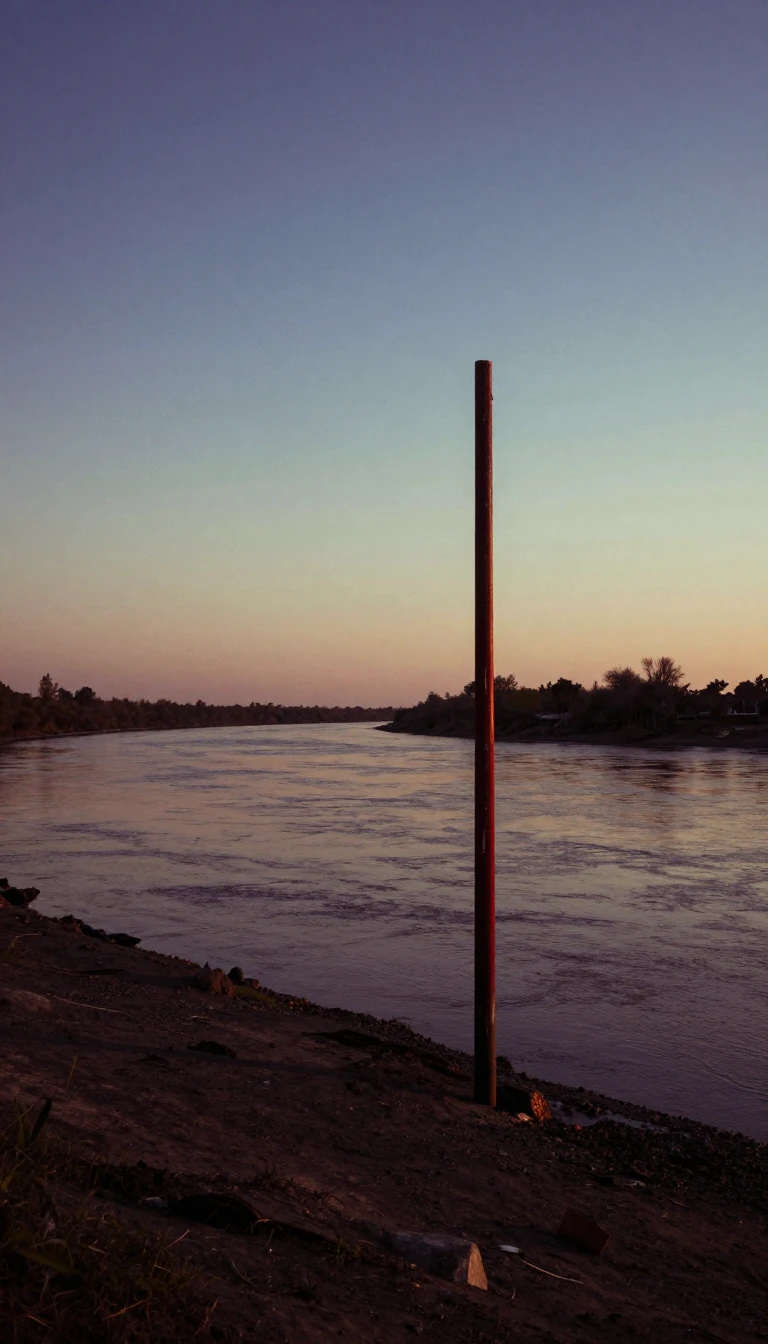
In short: Louisiana is more than its vibrant culture and bayous. It is a strategically vital gateway where the Mississippi River meets the Gulf of Mexico. From ancient mound-building civilizations to its status as a 19th-century agricultural powerhouse, the state’s identity is defined by its geography and a turbulent, layered past.
Long before European arrival, Louisiana hosted sophisticated societies. The Watson Brake site, dating to about 3400 BC, features some of the earliest complex mound constructions in the Americas. By 2200 BC, the Poverty Point culture emerged, establishing a vast network of villages that stretched nearly 100 miles across the Mississippi River, marking what may be the first complex tribal culture in the present-day United States.
European interest began in the 1500s, but the territory was formally claimed for France in 1682 by René-Robert Cavelier, sieur de La Salle. Over the centuries, the region changed hands multiple times, eventually becoming the 18th U.S. state in 1812. By 1860, the state had become a wealthy agricultural center, though this prosperity was built upon the labor of enslaved people, whose descendants today make up nearly one-third of the population.
The 20th century brought both industrial transformation and profound struggle. While the state became a leader in oil and gas production, it also faced the long shadow of racial conflict, from the Jim Crow era to the civil rights movement. Today, Louisiana grapples with environmental challenges, including the rapid erosion of its coastline, which is losing about 24 square miles of land annually, a process exacerbated by levee systems and extreme weather events like Hurricane Katrina.
The state's complex personality remains tied to its unique geography. Positioned on the same parallel as cities like Cairo and Shanghai, Louisiana’s subtropical climate and fertile alluvial soil have fueled its economy while leaving it vulnerable to the shifting waters of the Mississippi-Missouri river system. Despite economic fluctuations and political challenges, the state’s rich cultural heritage continues to define its place within the American landscape.
Opens the Intellect+ feed with this card first. Swipe up for the next one.
Sources
- Summary by Intellect · source: Louisiana | Geography, History, Map, Population, Cities, & Facts | Britannica
- Also: History of Louisiana
To cite this card, link to https://intellectplus.co.uk/app/history-history-of-louisiana.
How we source, check and correct cards: Editorial standards.
General information, not professional advice. Spotted an error? Flag the card or see corrections and complaints.
Intellect Plus is a visual educational discovery platform for exploring fascinating facts and ideas. Brain Food, Not Brain Rot. What is Intellect Plus?
Related
More in History by country, small region and city · More in History · Latest · A–Z · All topics
