Awaji Island: The Mythical First Landmass of Japan and a Geological Time Capsule
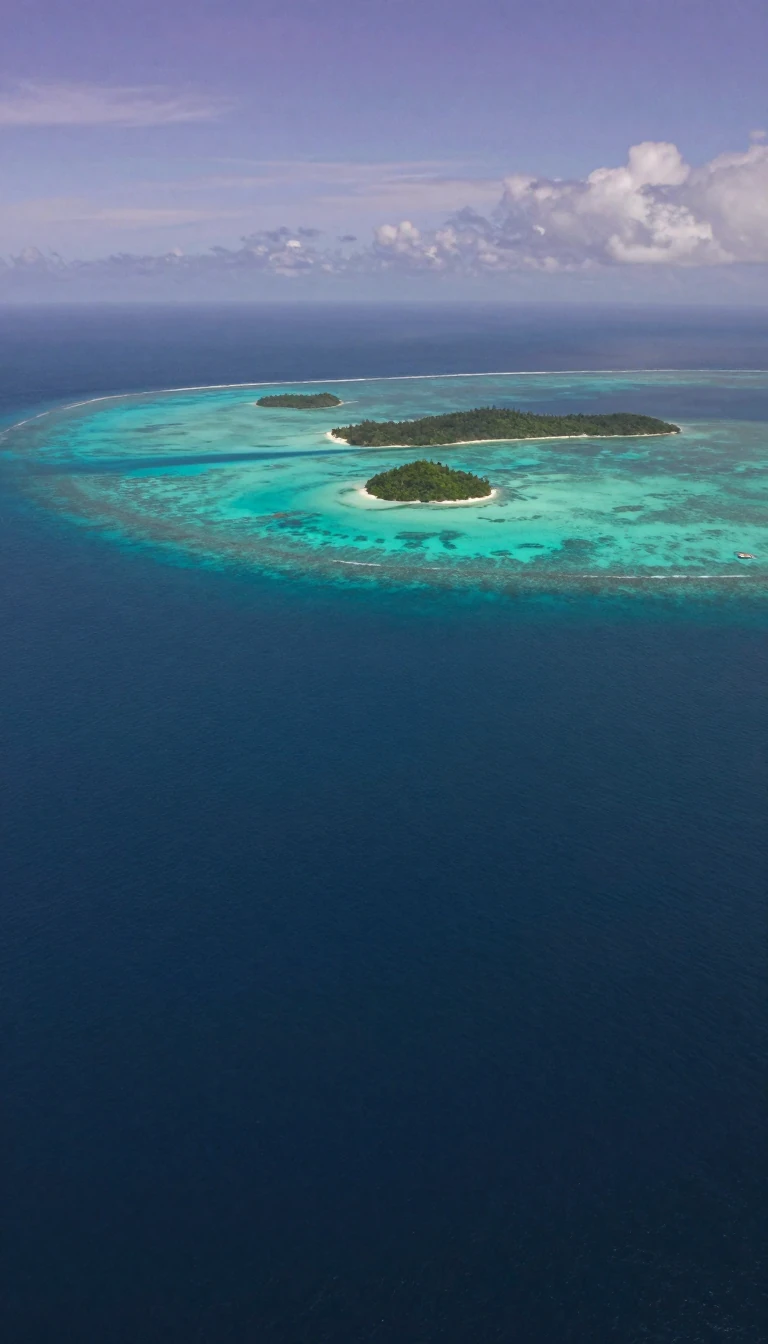
In short: According to Shinto creation myths, Awaji was the very first island born from the kami Izanagi and Izanami. Today, this 592-square-kilometre landmass in the Seto Inland Sea serves as both a cultural repository for 500-year-old puppet theater and a stark, preserved reminder of the earth's volatile tectonic power.
Awaji Island, located in Hyōgo Prefecture, holds a central place in Japanese mythology. In the Kojiki and Nihon Shoki, it is described as the first of the ōyashima islands created by the kami Izanagi and Izanami. While scholars debate the etymology of its name—with some, like Motoori Norinaga, suggesting it means the road to Awa, and others, like Tsugita Uruu, linking it to the word for millet—the island's historical significance is undisputed. From the 7th to the 19th century, it functioned as its own province, Awaji Province, before being integrated into modern administrative structures.
The island's geography is defined by its position between the Akashi and Naruto Straits. Since the completion of the Akashi Kaikyo Bridge in 1998, it has served as a vital link between Honshū and Shikoku. This location is also home to the Naruto whirlpools and the Nojima Fault, which was the epicenter of the 1995 Great Hanshin earthquake. This seismic event, which resulted in over 5,500 deaths, left a permanent mark on the landscape. Today, the fault is a protected national natural monument and was designated a IUGS geological heritage site in 2022, with the Nojima Fault Preservation Museum allowing visitors to see the physical displacement of roads and hedges caused by the quake.
Beyond its geological and mythological weight, Awaji is a hub for traditional and modern arts. The island is famous for Awaji Ningyō Jōruri, a puppet theater tradition dating back over 500 years that originated in religious rituals and is now recognized as an Intangible Cultural Heritage of Japan. In the 19th century, the island also became a center for Minpei ware pottery. Modern architectural interventions by Tadao Ando, such as the Hompuku-ji water temple and the Awaji Yumebutai complex, further demonstrate the island's ongoing evolution as a site where ancient history and contemporary design intersect.
Opens the Intellect+ feed with this card first. Swipe up for the next one.
Sources
- Summary by Intellect · source: Awaji Island
- Also: Wikidata — Awaji Island · CC0
To cite this card, link to https://intellectplus.co.uk/app/places-awaji-island.
How we source, check and correct cards: Editorial standards.
General information, not professional advice. Spotted an error? Flag the card or see corrections and complaints.
Intellect Plus is a visual educational discovery platform for exploring fascinating facts and ideas. Brain Food, Not Brain Rot. What is Intellect Plus?
Related
More in Islands · More in Countries & Cities · Latest · A–Z · All topics
