How a royal garden in Potsdam survived the Berlin Wall to become a landmark.
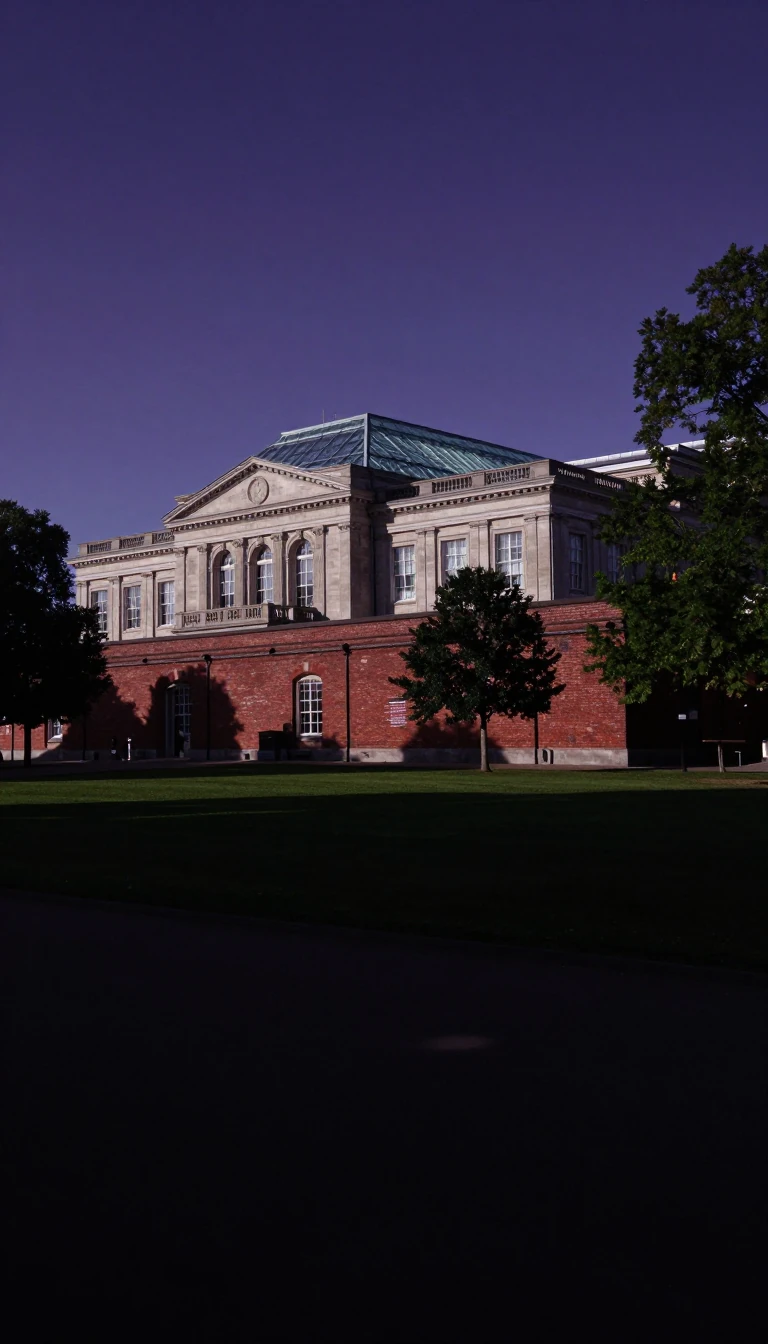
In short: Babelsberg Park is a 114-hectare masterpiece of landscape design, born from the ambitions of Prince William I and his wife, Augusta. Though it faced royal budget cuts, a divided Germany, and the physical scar of the Berlin Wall, this UNESCO World Heritage site remains a testament to evolving artistic visions.
The park’s origins trace back to 1833, when King Frederick William III granted his son, Prince William, permission to develop the Babelsberg estate. The project initially involved landscape architect Peter Joseph Lenné, who envisioned integrating the area into a broader artistic plan for Potsdam. However, financial constraints and creative friction with Princess Augusta led to Lenné’s dismissal. In 1843, Prince Hermann von Pückler-Muskau took over, refining the layout by adding narrow paths, terraced embankments, and the distinctive Golden Rose Staircase. Pückler-Muskau’s approach to planting—grouping younger trees to encourage vertical growth—differed significantly from Lenné’s preference for large, individual specimens.
The estate expanded significantly over the 19th century, growing from an initial 72 hectares to its current size by 1875. This growth was aided by the work of court gardener Otto Kindermann, who integrated new land acquisitions into the existing design. Beyond the main grounds, the park’s influence extended to the nearby Böttcherberg hill, where Lenné established observation points that created visual axes across the surrounding lakes. These features were part of a larger effort to turn the region into a cohesive landscape, a goal that eventually earned the Palaces and Parks of Potsdam and Berlin their UNESCO status.
The 20th century brought profound disruption. Following the 1918 fall of the monarchy and a 1926 legal settlement, the House of Hohenzollern ceded control of the park to the Prussian state. The post-1945 era saw the grounds repurposed for maritime training and political education, but the most severe impact occurred in 1961 with the construction of the Berlin Wall. The border zone rendered large sections inaccessible and overgrown for decades. Since the wall's fall in 1989, extensive reconstruction has restored public access, though modern management remains a point of contention. Local residents frequently clash with the current foundation over restrictive policies, such as bans on recreational games, leading to ongoing debates about how to balance heritage preservation with public use.
Opens the Intellect+ feed with this card first. Swipe up for the next one.
Sources
- Summary by Intellect · source: Babelsberg Park
- Also: Wikidata — Babelsberg Park · CC0
To cite this card, link to https://intellectplus.co.uk/app/places-babelsberg-park.
How we source, check and correct cards: Editorial standards.
General information, not professional advice. Spotted an error? Flag the card or see corrections and complaints.
Intellect Plus is a visual educational discovery platform for exploring fascinating facts and ideas. Brain Food, Not Brain Rot. What is Intellect Plus?
Related
More in World Heritage Sites · More in Countries & Cities · Latest · A–Z · All topics
