Why this German spa town became the summer capital of nineteenth-century European high society.
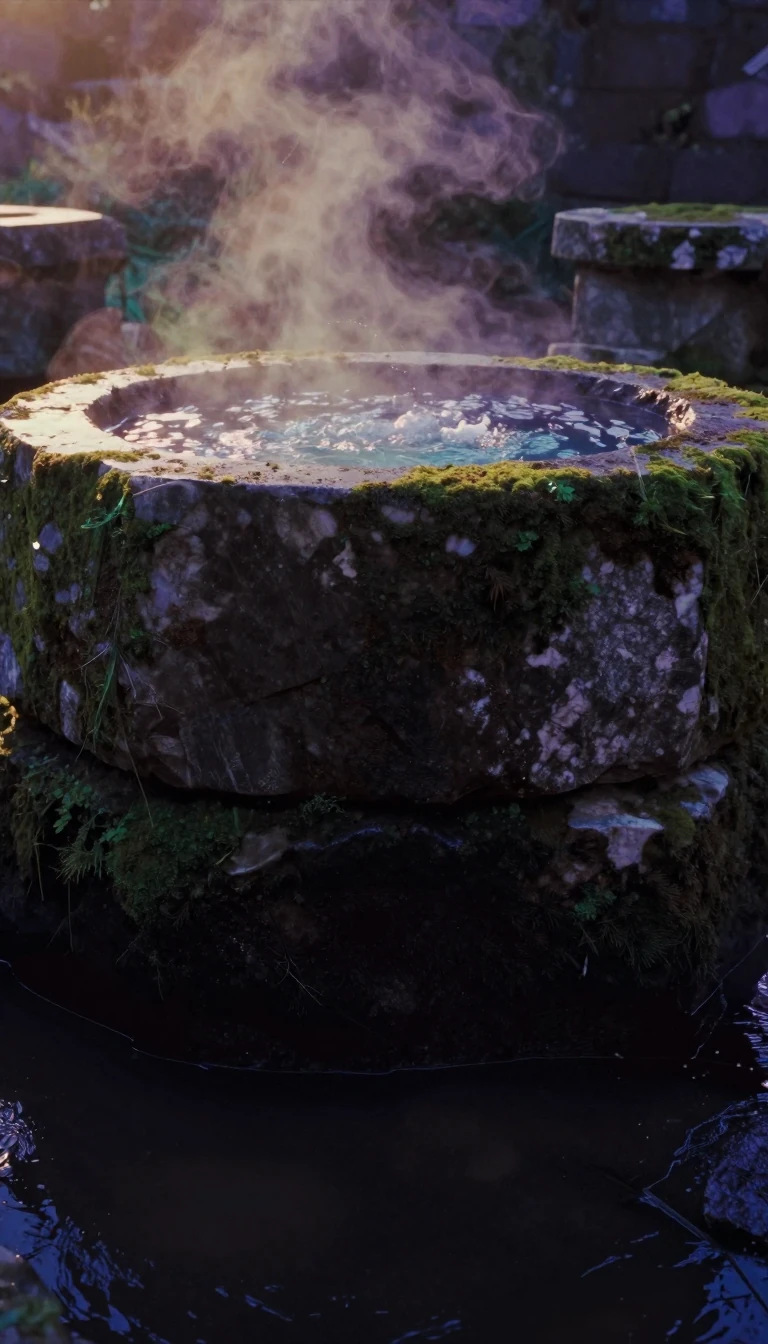
In short: Known to the Romans as Aquae, Baden-Baden evolved from a medicinal retreat into a glittering playground for the global elite. By the 1850s, it was Europe's summer capital, drawing royalty and literary giants alike to its hot springs, luxury casinos, and grand gardens before cementing its status as a cultural icon.
The town's identity is rooted in its twenty-nine natural springs, which deliver mineral-rich water at temperatures ranging from 46 to 67 degrees Celsius. These waters, flowing from artesian wells 1,800 meters deep, were historically sought for treating ailments like rheumatism and gout. While Roman soldiers once used these baths to soothe their aches, the town's modern prestige blossomed in the nineteenth century. It became a magnet for the nobility and the prosperous middle class, attracting figures such as Queen Victoria and Hector Berlioz to its opulent hotels and the famous Spielbank Casino.
Baden-Baden's cultural gravity was so intense that it left a permanent mark on literature. Fyodor Dostoevsky famously penned The Gambler while struggling with his own compulsions at the local casino, a period later reimagined in Leonid Tsypkin's novel Summer in Baden-Baden. The town's allure was not merely recreational; it served as a diplomatic and social nexus, reaching its zenith under Napoleon III. During this era, the town's population of 10,000 would regularly quadruple during the peak tourist season, hosting a diverse international crowd of French, British, Russian, and American visitors.
The twentieth century brought significant upheaval, including the destruction of infrastructure during the Second World War and the town's subsequent role as the headquarters for French occupation forces. Yet, Baden-Baden maintained its relevance through reinvention. It became a hub for public broadcasting and, in 1998, opened the Festspielhaus, Germany's largest opera and concert house. In 2021, the town was officially recognized as part of the UNESCO World Heritage Site, Great Spa Towns of Europe, honoring its architecture and its historical role as a center of European social and medicinal life.
Opens the Intellect+ feed with this card first. Swipe up for the next one.
Sources
- Summary by Intellect · source: Baden-Baden
- Also: Wikidata — Baden-Baden · CC0
- Also: Wikidata — Baden-Baden · CC0
To cite this card, link to https://intellectplus.co.uk/app/places-baden-baden.
How we source, check and correct cards: Editorial standards.
General information, not professional advice. Spotted an error? Flag the card or see corrections and complaints.
Intellect Plus is a visual educational discovery platform for exploring fascinating facts and ideas. Brain Food, Not Brain Rot. What is Intellect Plus?
Related
More in World Heritage Sites · More in Countries & Cities · Latest · A–Z · All topics
