How a desert trading post became a princely state and a modern industrial hub
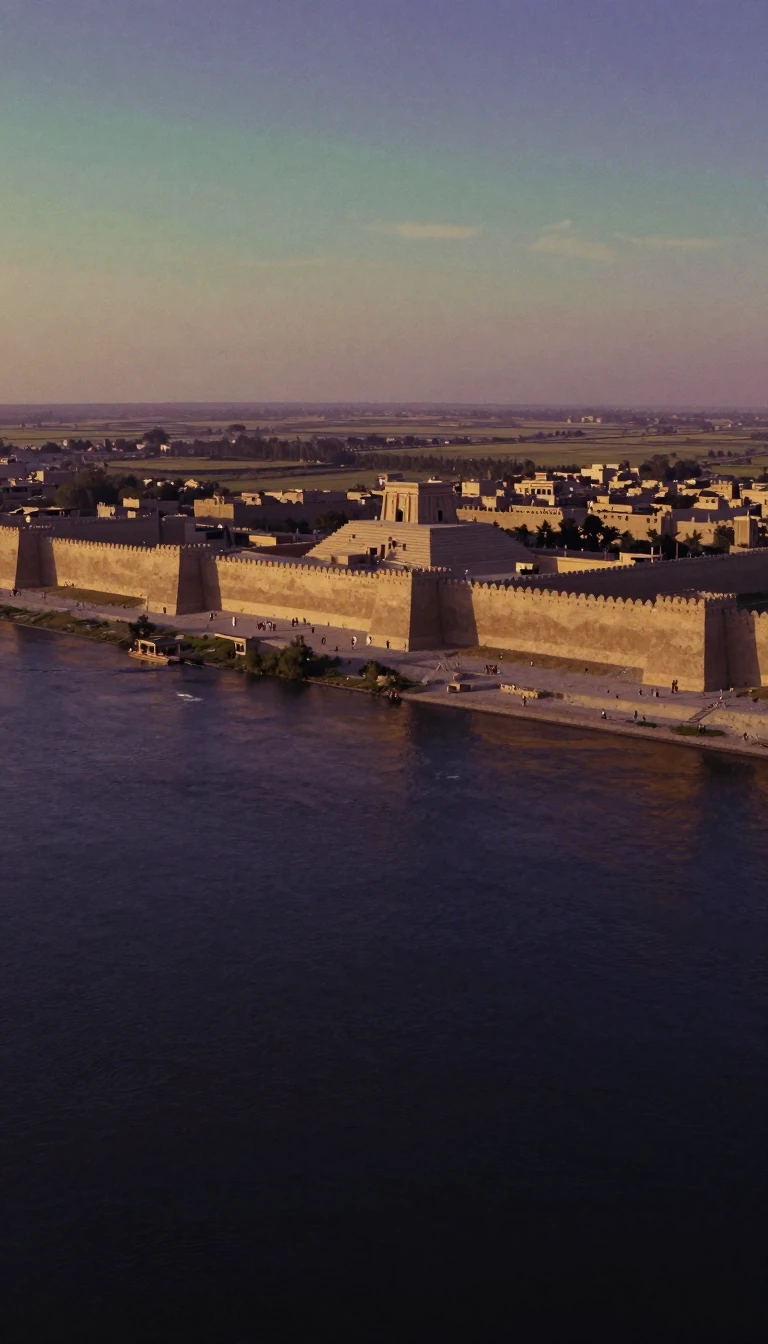
In short: Founded in 1748 by the Daudpotra family, Bahawalpur evolved from a strategic trading post on the edge of the Cholistan Desert into a significant princely state. Today, this Pakistani city balances a rich architectural legacy of Nawabs with a rapidly expanding industrial sector and a population exceeding 800,000 residents.
Established by Nawab Bahawal Khan I after he migrated from Sindh, Bahawalpur served as the capital for the princely state of the same name until 1955. The region holds deep historical roots, containing ruins from the Indus Valley Civilisation and ancient Buddhist sites like Patan minara. By the 19th century, the city became a refuge for scholars and families fleeing regional instability, eventually signing a treaty with the British in 1833 to guarantee its autonomy.
The city's architectural identity is defined by the legacy of its Nawabs, most notably the Noor Mahal palace, completed in 1875. In the late 19th century, Bahawalpur gained international recognition for its high-quality silk, which was reportedly superior to works from Benares or Amritsar. This commercial success was bolstered by infrastructure developments, such as the 1878 construction of the Empress Bridge, the first rail crossing over the Sutlej River.
Modern Bahawalpur is a diverse metropolitan centre. According to the 2023 Census, the city has a population of 815,202, with Saraiki as the primary language. While the city remains famous for traditional handicrafts like camel-hair carpets and palm-leaf wall hangings, it has also transitioned into an industrial powerhouse. Its economy now spans sectors from textile weaving and flour milling to the production of cooking oil and steel re-rolling, supported by a government-led push for market liberalisation.
The city has also been the site of significant political events, including the 1988 aircraft crash that killed President Muhammad Zia-ul-Haq. Despite its growth, Bahawalpur maintains its cultural heritage through institutions like the Bahawalpur Museum and the 25-acre Bahawalpur Zoo, which is the fourth largest in Pakistan. Today, the city continues to evolve, with recent initiatives like the Punjab Safe Cities Authority project aiming to integrate modern security infrastructure into its historic urban fabric.
Opens the Intellect+ feed with this card first. Swipe up for the next one.
Sources
- Summary by Intellect · source: Bahawalpur
- Also: Wikidata — Bahawalpur · CC0
- Also: Wikidata — Bahawalpur State · CC0
To cite this card, link to https://intellectplus.co.uk/app/places-bahawalpur.
How we source, check and correct cards: Editorial standards.
General information, not professional advice. Spotted an error? Flag the card or see corrections and complaints.
Intellect Plus is a visual educational discovery platform for exploring fascinating facts and ideas. Brain Food, Not Brain Rot. What is Intellect Plus?
Related
More in Cities · More in Countries & Cities · Latest · A–Z · All topics
