Banja Luka: A resilient Balkan hub shaped by empires, earthquakes, and rebirth
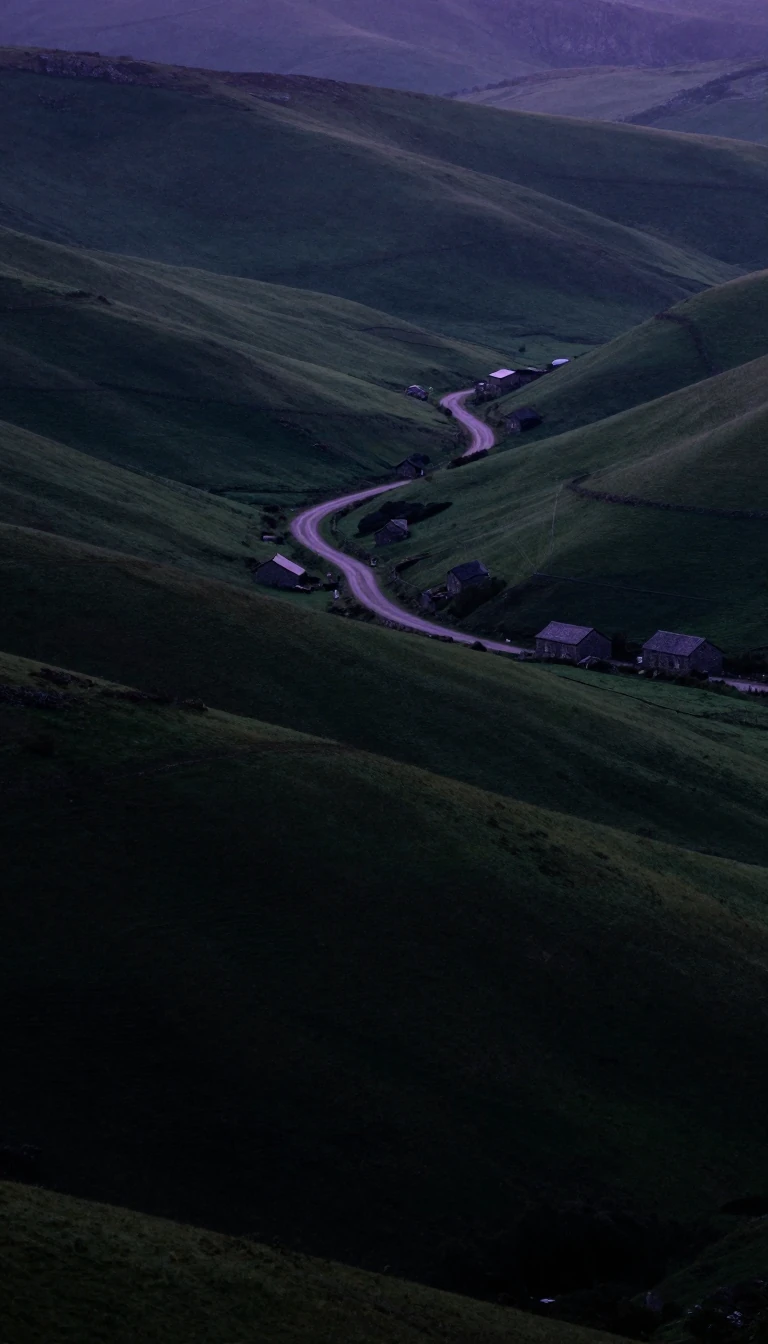
In short: Nestled in the forested valleys of northwestern Bosnia and Herzegovina, Banja Luka serves as the political and economic heart of Republika Srpska. From its Roman origins as a military camp to its modern identity as a UNESCO City of Music, this city has survived centuries of conflict, seismic devastation, and transformation.
The history of Banja Luka is defined by its strategic position on the Vrbas River. First mentioned in a 1494 document, the city evolved from a medieval fortress into a thriving Ottoman commercial centre under Ferhad Pasha Sokolović in the late 16th century. The city’s architectural character shifted dramatically during the late 19th-century Austro-Hungarian occupation, which introduced European urban planning, electric lighting, and industrial infrastructure, effectively bridging the gap between its Ottoman past and modern development.
Nature has been as formidable as history in shaping the city. Situated in a seismically active region, Banja Luka has faced multiple major earthquakes, most notably in 1969. That disaster destroyed thousands of dwellings and public buildings, triggering a massive reconstruction effort supported by the rest of Yugoslavia. This period of rebuilding not only modernized the city but also facilitated significant demographic shifts, as a large Serb population moved into the urban centre from surrounding rural areas.
The 20th century brought profound trauma, including the horrors of World War II and the ethnic cleansing of non-Serb populations during the Bosnian War in the 1990s. Despite these dark chapters, the city has sought to redefine itself in the 21st century. Today, it functions as a critical financial hub, hosting the Banja Luka Stock Exchange and various state-level regulatory agencies. With its designation as a UNESCO City of Music and a European City of Sport, Banja Luka continues to navigate the complex legacy of its past while positioning itself as a contemporary administrative and cultural center.
The city's name itself remains a subject of intrigue. While often interpreted as 'Ban's meadow,' alternative theories suggest origins related to 'bath' or 'spa'—a nod to the medicinal thermo-mineral waters found in the nearby vicinity. Whether viewed through its ancient archaeological sites, its resilient post-war recovery, or its current economic trajectory, Banja Luka stands as a testament to the enduring nature of urban life in the Dinaric Alps.
Opens the Intellect+ feed with this card first. Swipe up for the next one.
Sources
- Summary by Intellect · source: Banja Luka
- Also: Wikidata — Banja Luka · CC0
- Also: Wikidata — Banja Luka · CC0
To cite this card, link to https://intellectplus.co.uk/app/places-banja-luka.
How we source, check and correct cards: Editorial standards.
General information, not professional advice. Spotted an error? Flag the card or see corrections and complaints.
Intellect Plus is a visual educational discovery platform for exploring fascinating facts and ideas. Brain Food, Not Brain Rot. What is Intellect Plus?
Related
More in Cities · More in Countries & Cities · Latest · A–Z · All topics
