How a volcanic catastrophe transformed a Caribbean capital from secondary town to regional hub.
In short: Fort-de-France was long overshadowed by the vibrant commercial center of Saint-Pierre. It was only after the 1902 eruption of Mount Pelée obliterated its rival that Fort-de-France rose to prominence. Today, this capital of the French overseas territory of Martinique serves as the island's administrative and economic heart.
Located on the west coast of Martinique at the mouth of the Madame River, Fort-de-France occupies a narrow plain between the sea and the island's mountainous interior. The city sits at the northern entrance to a large bay, which contains half of the island's massive mangrove swamp. While the area was settled in the 17th century, it spent much of its early history in the shadow of Saint-Pierre, a city once celebrated for its cultural and commercial influence.
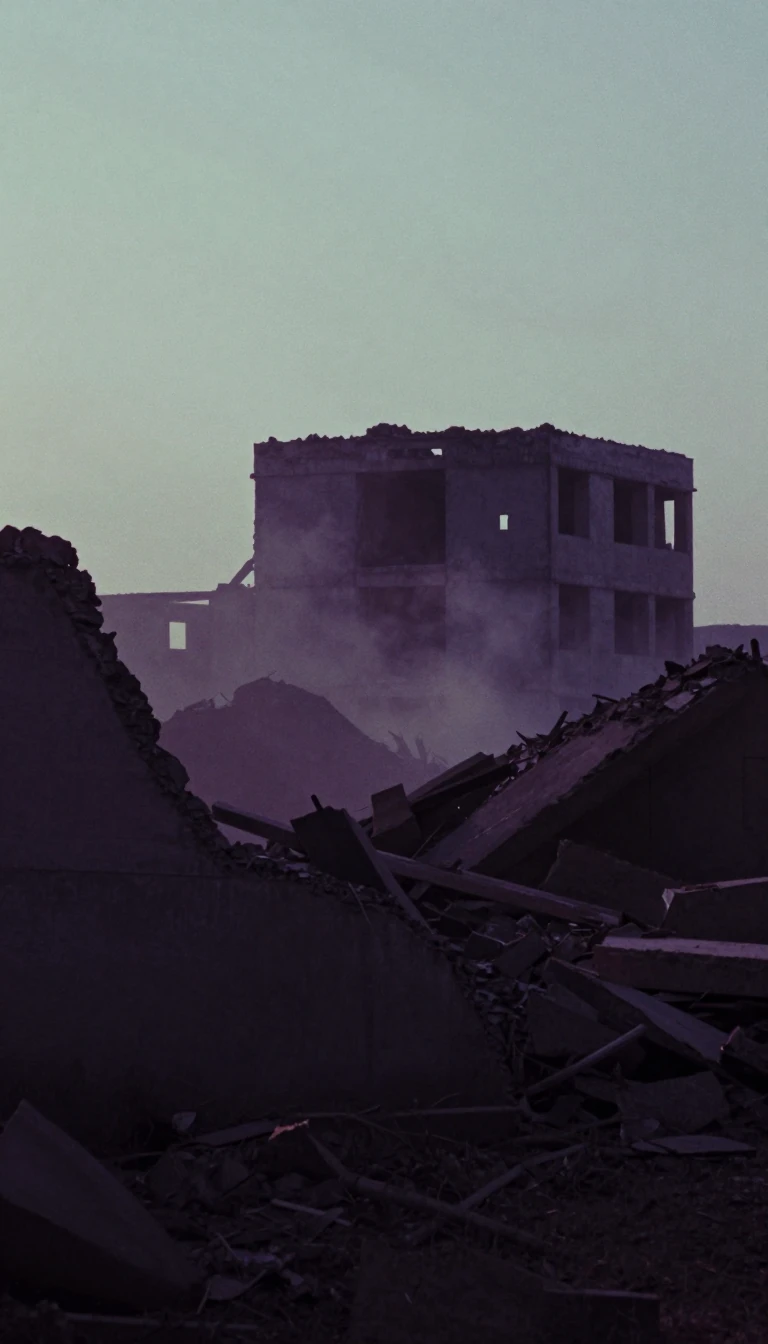
The city's trajectory shifted permanently in 1902. When the volcanic eruption of Mount Pelée destroyed Saint-Pierre, Fort-de-France assumed the mantle of the island's primary urban center. This transition was not immediate in terms of infrastructure; until 1918, the city struggled with inadequate water supplies and swampy terrain that made it notorious for yellow fever. Over the following century, however, these marshes were drained to accommodate extensive suburbs, and the city evolved into the administrative capital of the Collectivité Territoriale de Martinique.
Today, the city functions as the seat of government for the French overseas territory, which maintains a unique political status with a single legislative assembly. The region is characterized by a tropical climate tempered by trade winds, though it remains vulnerable to hurricanes between July and December. With a population projected to reach 372,000 by 2030, the capital remains the focal point of Martinique's economy, supported by infrastructure like the Aimé Césaire International Airport and the historic Fort Saint Louis, which continues to serve as a French naval base.
Opens the Intellect+ feed with this card first. Swipe up for the next one.
Sources
- Summary by Intellect · source: Fort-de-France | Martinique, Map, & Facts | Britannica
- Also: Fort-de-France
- Also: Fort-de-France
To cite this card, link to https://intellectplus.co.uk/app/places-fort-de-france.
How we source, check and correct cards: Editorial standards.
General information, not professional advice. Spotted an error? Flag the card or see corrections and complaints.
Intellect Plus is a visual educational discovery platform for exploring fascinating facts and ideas. Brain Food, Not Brain Rot. What is Intellect Plus?
Related
More in Americas · More in Countries & Cities · Latest · A–Z · All topics
