Are Bengal tigers the largest wild cats, or just masters of their unique habitats?
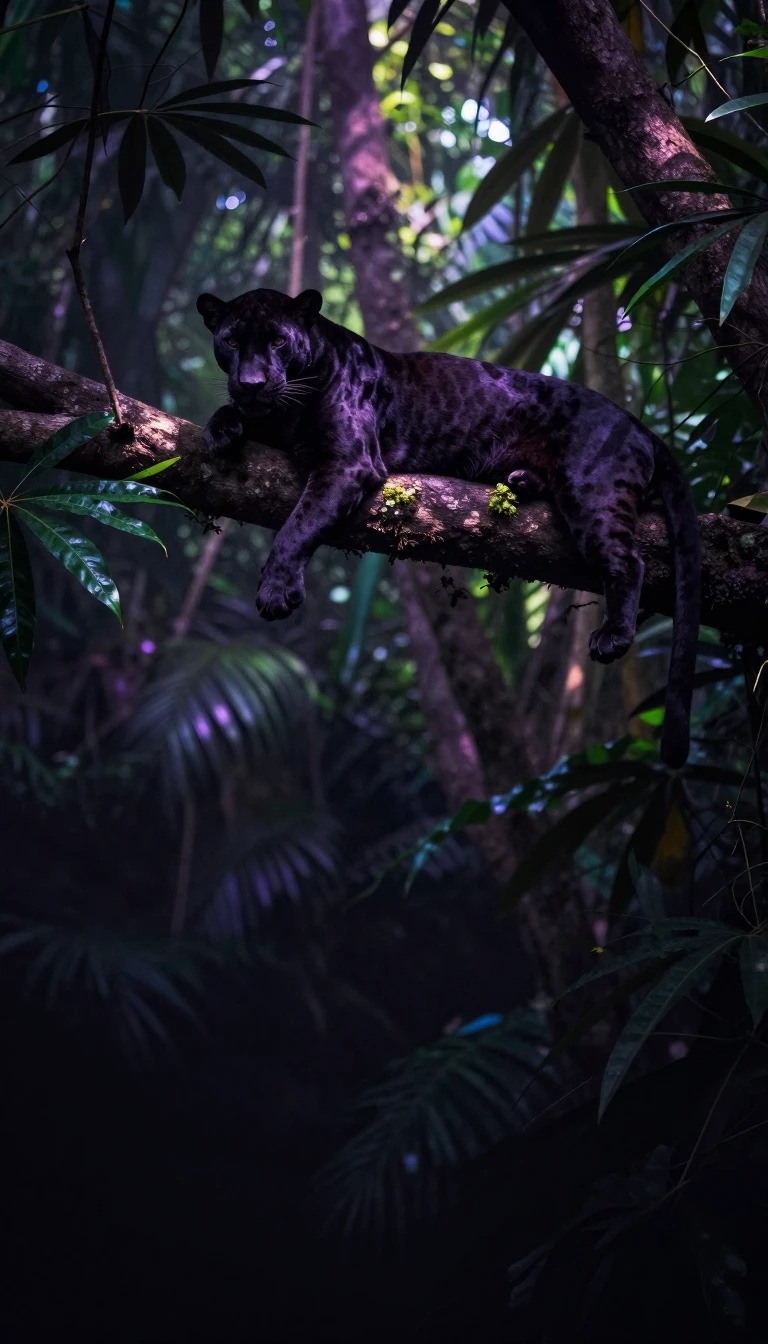
In short: The Bengal tiger is a powerhouse of the Indian subcontinent, ranging from the Himalayan foothills to the dense mangroves of the Sundarbans. While often cited as one of the world's largest wild cats, their size varies dramatically based on their environment, prey availability, and intense competition for resources.
The Bengal tiger, or Panthera tigris tigris, has a long history in the Indian subcontinent, with evidence suggesting its presence dating back 12,000 to 16,500 years. Once roaming as far as the Indus River valley, their range has contracted significantly due to poaching, habitat loss, and fragmentation. Today, they inhabit a diverse array of ecosystems, including tropical moist evergreen forests, dry forests, and the unique mangrove environment of the Sundarbans. This adaptability is a defining trait, though it comes with physical trade-offs.
Size variation among these tigers is striking. While males in the Terai region can consistently exceed 227 kg, those in the Bangladesh Sundarbans are notably smaller, with females averaging just 76.7 kg. Scientists believe this size difference is an evolutionary response to the specific conditions of the mangrove habitat, where prey is smaller and competition between tigers is fierce. Historical records of massive tigers, such as the 388.7 kg specimen reported in 1967, are often difficult to verify due to inconsistent historical measurement standards like 'between the pegs' versus 'over the curves'.
Modern conservation efforts have shifted from relying on inaccurate pug mark censuses to sophisticated camera trap surveys. These methods provide a clearer picture of population health across various landscapes, from the Central Indian highlands to the Western Ghats. As of 2022, India's population is estimated at 3,167–3,682 individuals, with smaller groups in Nepal, Bhutan, and Bangladesh. Protecting these populations requires maintaining wildlife corridors, as seen in Central India, where fragmented groups depend on connectivity to survive and thrive in an increasingly human-dominated landscape.
Opens the Intellect+ feed with this card first. Swipe up for the next one.
Sources
- Summary by Intellect · source: Bengal tiger
- Also: Wikidata — Bengal tiger · CC0
- Also: Wikidata — Bengal Tiger · CC0
To cite this card, link to https://intellectplus.co.uk/app/places-bengal-tiger.
How we source, check and correct cards: Editorial standards.
General information, not professional advice. Spotted an error? Flag the card or see corrections and complaints.
Intellect Plus is a visual educational discovery platform for exploring fascinating facts and ideas. Brain Food, Not Brain Rot. What is Intellect Plus?
Related
More in Countries and other regions · More in Countries & Cities · Latest · A–Z · All topics
