The Indian leopard is a master of adaptation, thriving across a vast, rugged landscape.
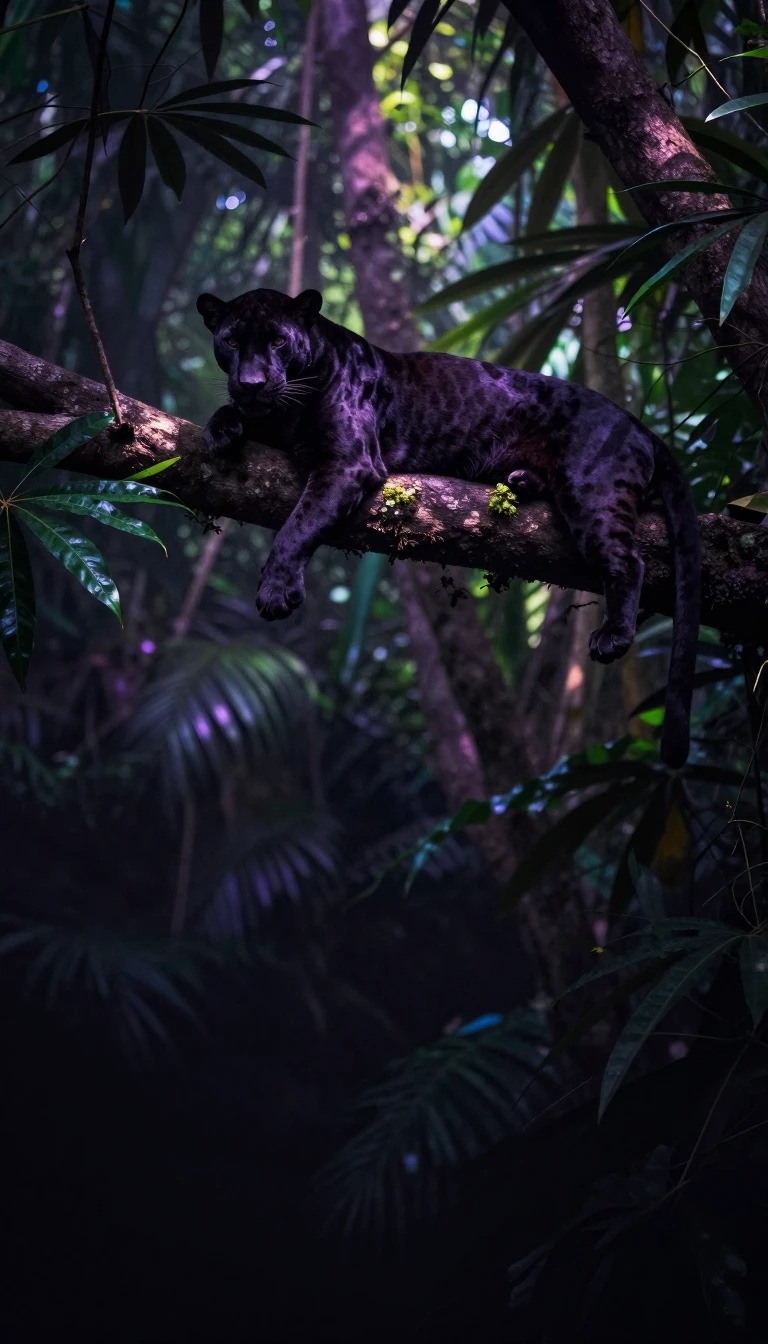
In short: While many big cat species face shrinking territories and declining numbers, the Indian leopard is a notable exception. This solitary, nocturnal predator has successfully adapted to diverse environments across the subcontinent. From their unique rosette patterns to their impressive climbing skills, these cats remain a resilient presence in the wild.
The Indian leopard, scientifically classified as Panthera pardus fusca, is a highly versatile subspecies. Unlike some of its endangered relatives, such as the Amur or Arabian leopard, the Indian population is currently showing signs of growth. Recent estimates suggest there are roughly 9,800 individuals, though some broader surveys have pointed to even higher figures exceeding 13,000 across specific landscapes. This resilience is tied to their ability to inhabit a wide variety of terrains, ranging from tropical rainforests to temperate and coniferous forests.
Physically, these leopards are built for power and stealth. Typically weighing between 50 and 90 kilograms, they possess a coat marked by distinct dark rosettes that serve as a unique identifier for every individual. They are exceptionally agile, capable of storing their prey high in tree branches to protect their meals from scavengers. Their diet is equally flexible, consisting of everything from small rodents to larger antelopes, and they are known to occasionally venture near human settlements to hunt livestock.
Despite their success, the species is not without challenges. They are solitary creatures that require significant home ranges to thrive, and they face ongoing pressures from human-leopard conflict and habitat loss. While they have lost a substantial portion of their historical territory globally, their continued presence in India, Nepal, Bhutan, and parts of Pakistan highlights their remarkable capacity for survival. The existence of melanistic individuals, commonly called black panthers, adds another layer of intrigue to this already fascinating predator, which remains a vital component of the Asian ecosystem.
Opens the Intellect+ feed with this card first. Swipe up for the next one.
Sources
- Summary by Intellect · source: Indian leopard | mammal | Britannica
- Also: Indian leopard
To cite this card, link to https://intellectplus.co.uk/app/culture-indian-leopard.
How we source, check and correct cards: Editorial standards.
General information, not professional advice. Spotted an error? Flag the card or see corrections and complaints.
Intellect Plus is a visual educational discovery platform for exploring fascinating facts and ideas. Brain Food, Not Brain Rot. What is Intellect Plus?
Related
More in Traditions & customs · More in Cultures · Latest · A–Z · All topics
