Białystok: How a White River Became the Manchester of the North
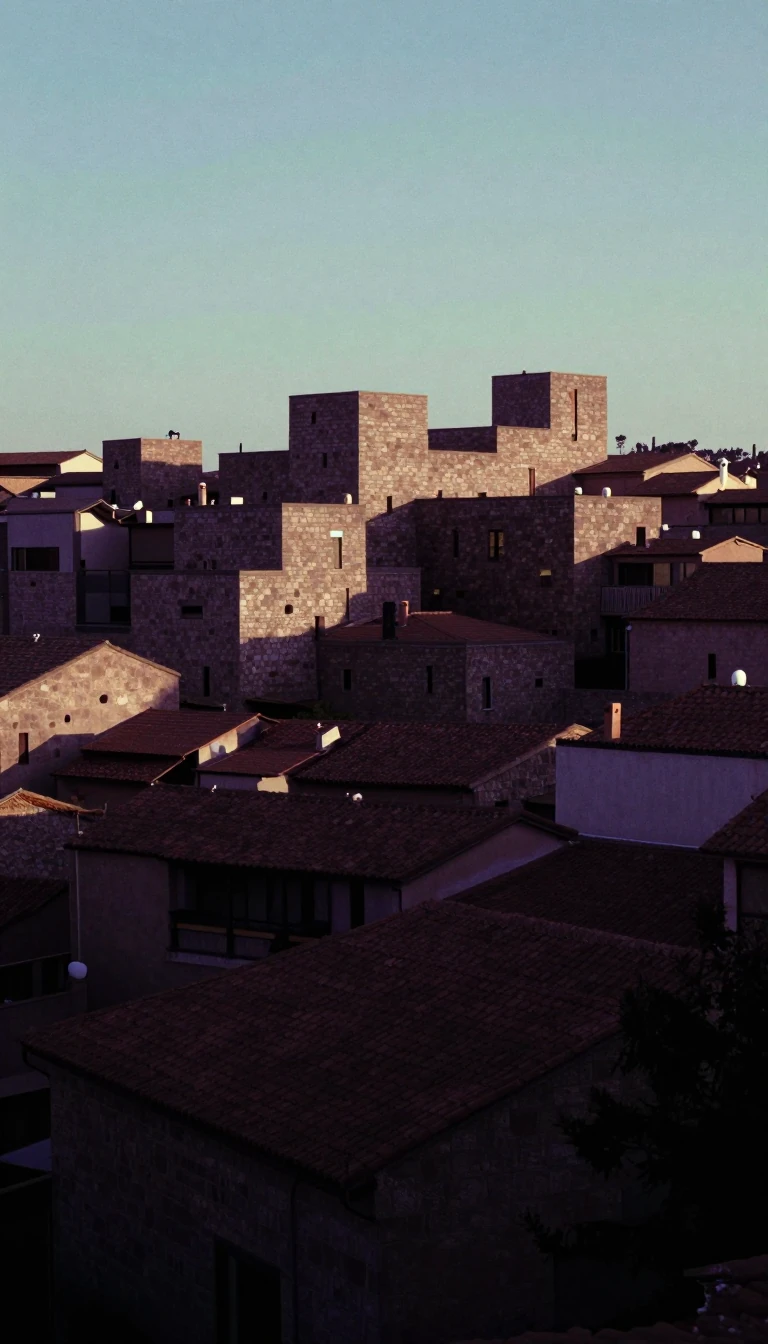
In short: Nestled in Poland's Green Lungs, Białystok evolved from a 14th-century settlement into a textile powerhouse. Once dubbed the Manchester of the North, this city at the crossroads of European history has survived partitions, world wars, and shifting borders to emerge as a modern, forested urban center in the Podlaskie Voivodeship.
The name Białystok originates from the Biała River, which translates to white stream or white river in old Polish. Archaeological evidence suggests the area was inhabited as far back as the Stone Age, with later Iron Age settlers leaving behind kurgans, or burial mounds. The settlement formally began around 1437 when Jakub Tabutowicz received a wilderness area along the Biała from Michael Žygimantaitis. For over a century, the region remained part of Lithuania before being transferred to Poland in 1569.
Białystok’s character was profoundly shaped by the Branicki family, who inherited the city in the 17th century. Stefan Mikołaj Branicki secured municipal rights in 1692, and his successor, Jan Klemens Branicki, transformed the local castle into a magnificent noble residence. By the 18th century, the city had become a hub for education and culture, hosting one of Poland’s oldest theaters and its first military technical school. However, the 19th century brought rapid industrialization following the 1862 opening of the Warsaw-Saint Petersburg railway, which turned the city into a textile giant.
The 20th century proved devastating. During World War II, the city suffered under both Soviet and Nazi occupations. The Jewish community, which comprised 63% of the population in 1897, was largely destroyed, with the Białystok Ghetto Uprising in 1943 marking a tragic chapter of resistance. Following the war, the city was rebuilt under a communist regime and eventually became the capital of the Podlaskie Voivodeship in 1999. Today, Białystok balances its industrial history with its status as one of Poland's most forested cities, with 18% of its administrative area covered by woods.
The city's climate is notably continental, though recent warming trends have shifted its classification. It remains a vital economic center in northeastern Poland, sitting near the borders of Belarus and the European Union. Despite the loss of its original Baroque layout during the rapid industrial expansion of the 19th century, the city continues to integrate its unique green spaces, such as the Knyszyn Forest, into its modern urban development.
Opens the Intellect+ feed with this card first. Swipe up for the next one.
Sources
- Summary by Intellect · source: Białystok
- Also: Wikidata — Białystok · CC0
To cite this card, link to https://intellectplus.co.uk/app/places-bia-ystok.
How we source, check and correct cards: Editorial standards.
General information, not professional advice. Spotted an error? Flag the card or see corrections and complaints.
Intellect Plus is a visual educational discovery platform for exploring fascinating facts and ideas. Brain Food, Not Brain Rot. What is Intellect Plus?
Related
More in Europe and Russia · More in Countries & Cities · Latest · A–Z · All topics
