Bojnord: A resilient Iranian city forged by tribal defense and seismic upheaval
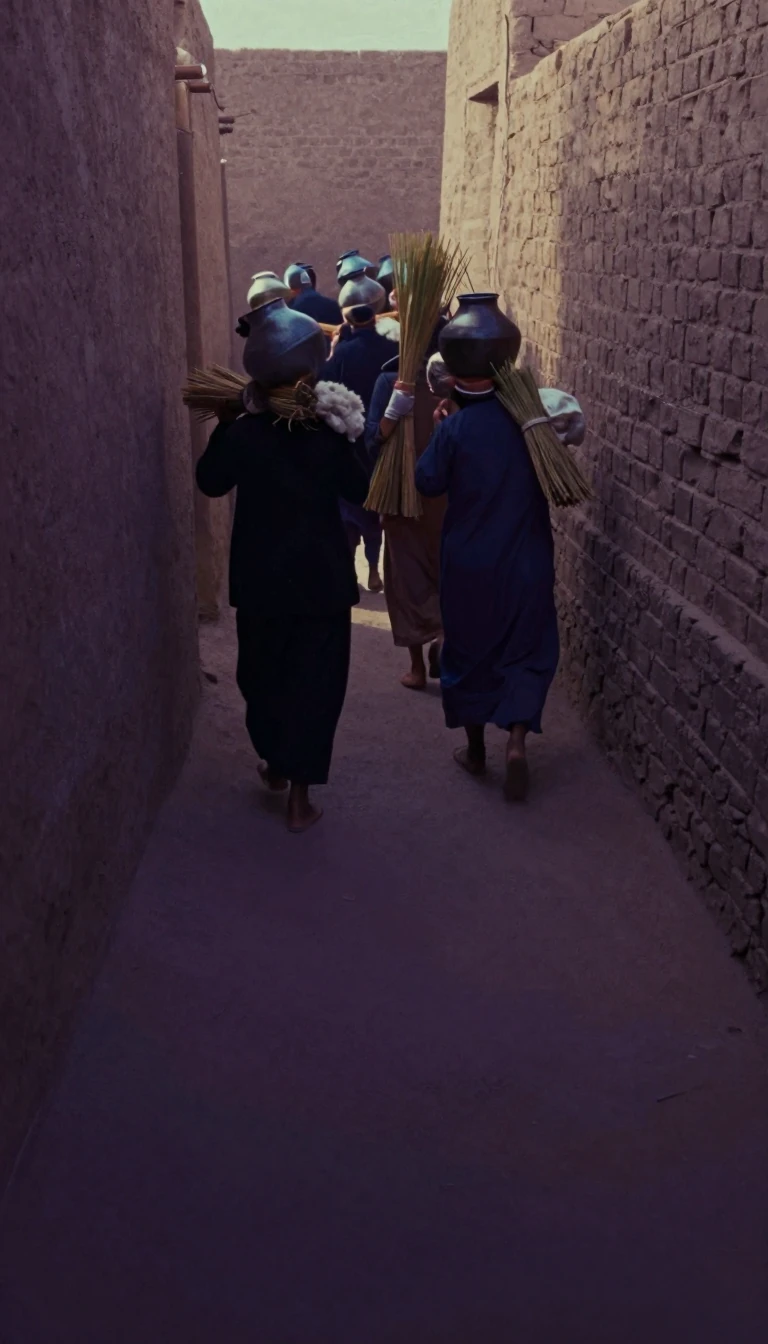
In short: Located in northeastern Iran, Bojnord serves as the capital of North Khorasan province. Though its origins are tied to Safavid-era tribal settlements meant to guard borders, the city has been repeatedly reshaped by devastating earthquakes and internal revolts, evolving from a walled historical outpost into a modern provincial center.
Bojnord is a city of relatively recent origin, likely established by the Safavid dynasty to house the Kurdish Şadiyan tribe. This strategic placement was intended to fortify the region's borders against hostile Turkmen forces. Historically, the city was defined by a defensive wall, bazaars, four mosques, and eleven distinct quarters. By the 19th century, the city's governance was unique; records from 1876 indicate that the local Kurdish chief managed the city without taxation, provided he supplied military support to the central government in Tehran.
The city's physical landscape has been defined by cycles of destruction and reconstruction. A major revolt in 1849 left the city in ruins, and subsequent severe earthquakes in 1896 and 1929 obliterated its historical fortifications. These disasters forced the city to be rebuilt in a modern style, stripping away its ancient architectural character. This pattern of seismic vulnerability continued into the modern era, most notably in 1997, when a magnitude 6.5 earthquake caused significant fatalities and widespread structural damage.
Today, Bojnord sits at an elevation of 1070 meters, nestled between the Kopedagh, Aladagh, and Alborz mountain ranges. It experiences a cold semi-arid climate, classified as BSk under the Köppen system. Despite its turbulent history, the city has become a hub for education and public life, hosting institutions like the North Khorasan University of Medical Sciences and the Eshragh Institute of Higher Education. It has also produced influential figures, including 20th-century politicians like Abdolhossein Teymourtash and Ali-Akbar Davar, as well as the historian and former National Library curator Kazem Mousavi Bojnurdi.
The city's growth is reflected in its demographic shifts over the last two decades. Census data reveals a consistent upward trend in population, growing from 172,772 residents in 2006 to 228,931 by 2016. This expansion highlights the city's endurance as a provincial capital, standing as a testament to the resilience of a population that has repeatedly rebuilt its home in the face of both political instability and the unpredictable forces of the earth.
Opens the Intellect+ feed with this card first. Swipe up for the next one.
Sources
- Summary by Intellect · source: Bojnord
- Also: Wikidata — Bojnord · CC0
To cite this card, link to https://intellectplus.co.uk/app/places-bojnord.
How we source, check and correct cards: Editorial standards.
General information, not professional advice. Spotted an error? Flag the card or see corrections and complaints.
Intellect Plus is a visual educational discovery platform for exploring fascinating facts and ideas. Brain Food, Not Brain Rot. What is Intellect Plus?
Related
More in Asia · More in Countries & Cities · Latest · A–Z · All topics
