North Khorasan: A Crossroads of Empires and Ethnic Diversity in Northeastern Iran
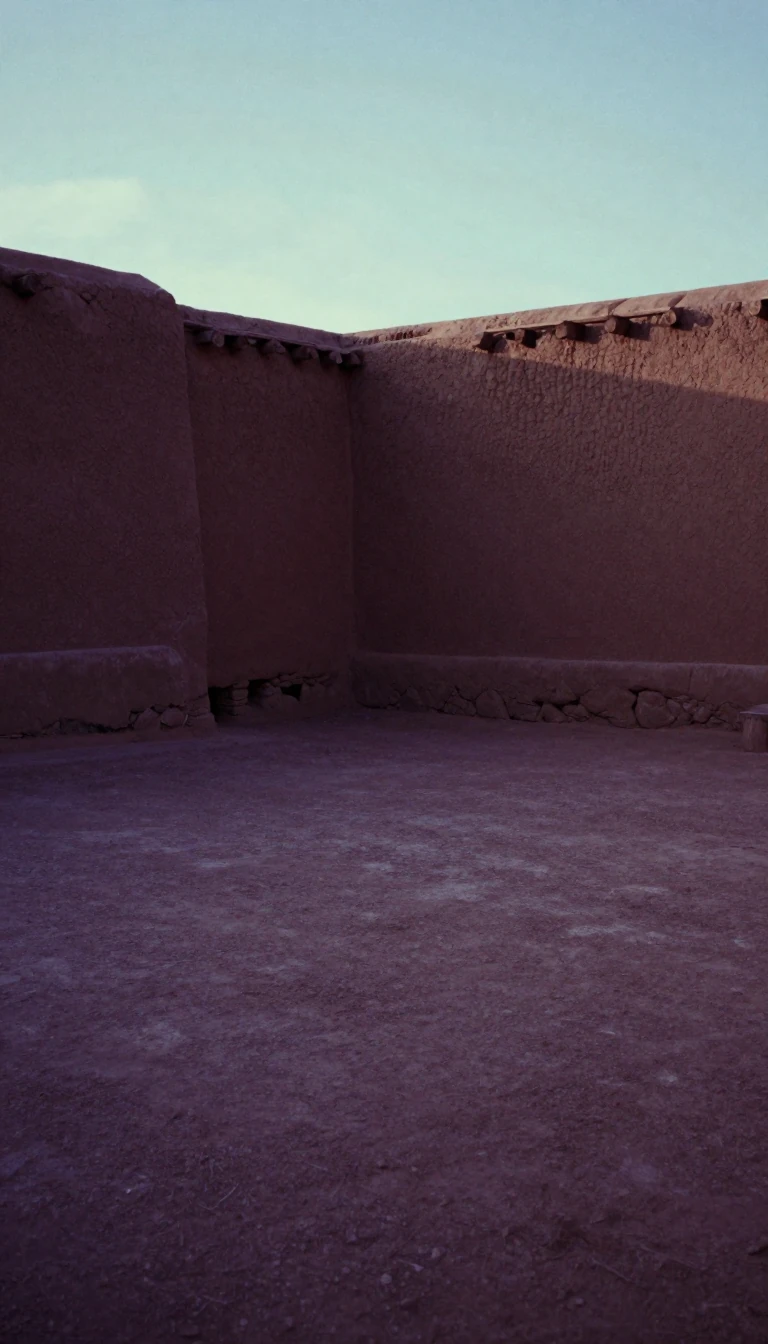
In short: Once the heart of the vast Greater Khorasan territory, North Khorasan is a province defined by its turbulent history and rich cultural tapestry. Today, this Iranian region serves as a melting pot of Persians, Kurds, Turks, and Turkmens, reflecting centuries of shifting borders, invasions, and complex demographic transformations.
North Khorasan was officially established in 2004 following the administrative division of the historic Khorasan province into three distinct entities. This region, centered on the capital city of Bojnurd, sits within a territory that has witnessed the rise and fall of countless dynasties. Ancient geographers once divided Iran into eight segments, with Greater Khorasan serving as the largest. Its strategic importance is evidenced by its history as a focal point for Aryan settlement and as a base for the Parthian Empire near Merv.
The region’s history is a relentless cycle of conquest. From the Islamic Arab invasion in 651 to the rule of the Abbasids, Taherids, and Samanids, the territory was constantly reshaped. It endured the Mongol conquest under Genghis Khan, the rise of the Sarbedaran movement, and the occupations by Uzbek tribes and Afghans. This volatility extended into the 19th century, marked by the Anglo-Persian War and shifting control over cities like Herat. These historical layers are physically fragile; frequent earthquakes have destroyed many ancient relics, leaving the province with historical sites primarily dating to the Qajar era.
Today, the province is a diverse mosaic of ethnicities. While the majority of the population are Shia Muslims—including Khorasani Kurds, Persians, and Turks—a small Sunni minority, primarily Turkmen, also resides there. Historical waves of migration have left their mark; for instance, an Arab community that settled during the initial Islamic invasion had, by 1875, fully integrated through intermarriage, losing their distinct language and culture. This demographic evolution is captured in recent census data, which tracks the province's population fluctuations as it continues to develop as a modern administrative unit within Iran's Region 5.
The province balances this deep historical weight with modern infrastructure, hosting several institutions of higher education in Bojnurd and Shiravan. Despite the loss of older monuments to seismic activity, the region remains a destination for its natural attractions, including mineral springs and protected hiking areas, offering a glimpse into the landscape that once hosted the empires of the past.
Opens the Intellect+ feed with this card first. Swipe up for the next one.
Sources
- Summary by Intellect · source: North Khorasan province
- Also: Wikidata — North Khorasan Province · CC0
To cite this card, link to https://intellectplus.co.uk/app/places-north-khorasan-province.
How we source, check and correct cards: Editorial standards.
General information, not professional advice. Spotted an error? Flag the card or see corrections and complaints.
Intellect Plus is a visual educational discovery platform for exploring fascinating facts and ideas. Brain Food, Not Brain Rot. What is Intellect Plus?
Related
More in Regions and country subdivisions · More in Countries & Cities · Latest · A–Z · All topics
