The River of the Arms of God: A Texas Lifeline and Its Turbulent History
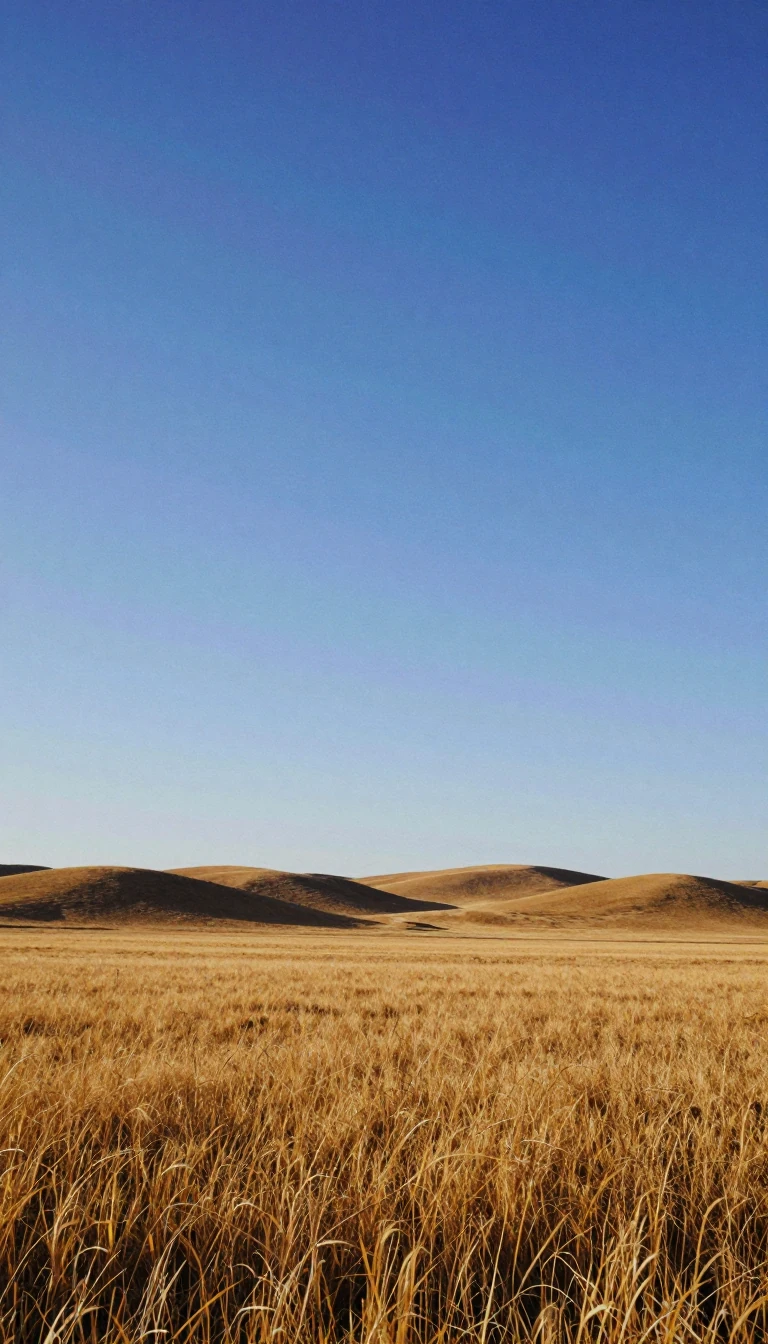
In short: Spanning 1,280 miles from New Mexico to the Gulf of Mexico, the Brazos River is a central artery of Texas history. Once a vital steamboat route and the site of the state's birth, this waterway now balances essential industrial utility with a complex, often unruly environmental legacy.
Known to early Spanish explorers as the Río de los Brazos de Dios, or the River of the Arms of God, the Brazos has long been a defining feature of the Texas landscape. Its origins lie in the high plains of the Llano Estacado, where the Salt Fork and Double Mountain Fork converge to begin an 840-mile journey through the heart of the state. The river’s path has been central to regional development, serving as the site of Stephen F. Austin’s 1824 colony and the 1836 declaration of independence at Washington-on-the-Brazos.
The river's relationship with human industry has been transformative and often contentious. Before the dominance of railroads, steamboats navigated its waters, though the river was notoriously prone to severe flooding, including a massive event in 1913 that permanently altered its course. In response, the 20th century saw extensive engineering efforts, including the 1929 diversion of the river's mouth and the construction of nineteen major reservoirs. Today, the Brazos River Authority manages these waters, which provide critical support for irrigation, hydroelectric power, and municipal needs.
Despite its utility, the river faces significant ecological challenges. The watershed, which covers 46,013 square miles, struggles with high nutrient loads, salinity, and bacterial levels, often linked to agricultural and industrial runoff. In 2012 alone, the lower Brazos received an estimated 33.4 million pounds of toxic waste. Yet, the river remains a vibrant space for recreation, with state-owned sandbars providing public access for camping and fishing, and its reservoirs serving as hubs for boating and wildlife observation.
The Brazos remains a subject of intense study, reflecting the broader tension between human technocratic ideals and the natural environment. From the early navigation attempts documented in historical accounts to modern water-quality management, the river continues to be a vital, if sometimes defiant, force in the life of Texas.
Opens the Intellect+ feed with this card first. Swipe up for the next one.
Sources
- Summary by Intellect · source: Brazos River
- Also: Wikidata — Brazos River · CC0
- Also: Wikidata — Brazos River Bottom · CC0
To cite this card, link to https://intellectplus.co.uk/app/places-brazos-river.
How we source, check and correct cards: Editorial standards.
General information, not professional advice. Spotted an error? Flag the card or see corrections and complaints.
Intellect Plus is a visual educational discovery platform for exploring fascinating facts and ideas. Brain Food, Not Brain Rot. What is Intellect Plus?
Related
More in Bodies of water · More in Countries & Cities · Latest · A–Z · All topics
