How a secret wartime mission evolved into Britain's premier polar research powerhouse
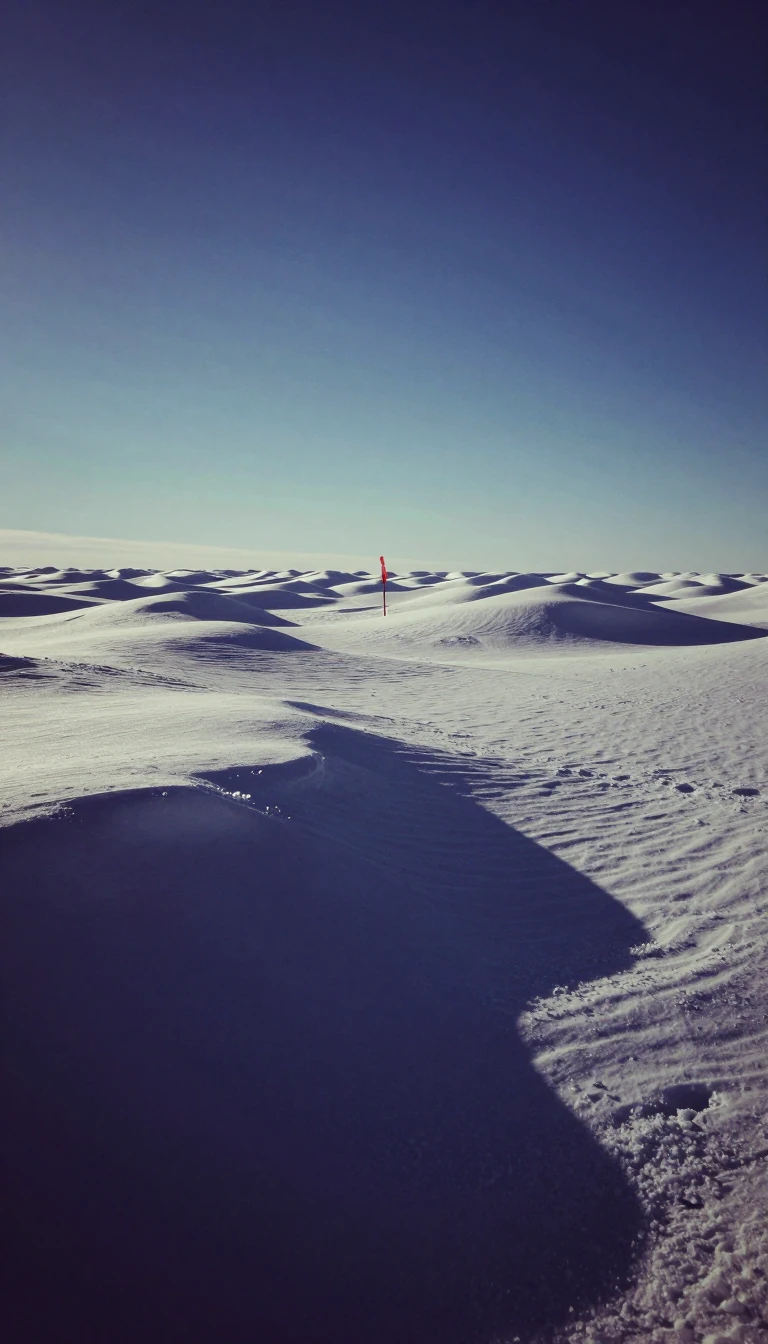
In short: Born from a clandestine 1943 expedition to secure Antarctic bases, the British Antarctic Survey now anchors the UK's polar science. From discovering the ozone hole to mapping hidden volcanic eruptions, this Cambridge-based institute manages a vast, extreme infrastructure that keeps Britain at the forefront of global environmental research.
The British Antarctic Survey (BAS) traces its origins to Operation Tabarin, a 1943 military expedition launched during World War II to establish a permanent British presence in the Antarctic. Initially a joint effort by the Admiralty and the Colonial Office, the project was renamed the Falkland Islands Dependencies Survey (FIDS) after the war. By 1962, when it officially became the British Antarctic Survey, the organization had expanded from four original stations to 19 stations and three refuges. Today, it operates as part of the Natural Environment Research Council, maintaining five research stations and a fleet of aircraft and ships to support scientific discovery.
The scope of BAS research is immense, ranging from the depths of the ocean to the edge of space. Its scientists have made world-changing discoveries, most notably the identification of the ozone hole over Antarctica in 1985 by Joe Farman, Brian Gardiner, and Jonathan Shanklin. Other significant findings include the 2008 discovery of a massive volcanic eruption that occurred 2,200 years ago beneath the ice sheet, and a 2020 study using satellite mapping that revealed emperor penguin colonies were nearly 20% more numerous than previously estimated. These insights rely on a sophisticated logistics network, including the RRS Sir David Attenborough and specialized aircraft maintained in Canada.
Operating in the world's most pristine wilderness requires extreme logistical precision. The BAS headquarters in Cambridge provides the necessary laboratory and workshop support for teams working in the Antarctic and the Arctic. While the organization maintains permanent bases on South Georgia, its Antarctic stations face the harsh reality of the polar climate, with only the Rothera Research Station remaining staffed year-round. Whether deploying autonomous robots or using high-tech microscopes to study cellular survival in sub-zero conditions, the BAS continues to serve as a critical natural laboratory, helping humanity understand the global issues that link the poles to the rest of the planet.
Opens the Intellect+ feed with this card first. Swipe up for the next one.
Sources
- Summary by Intellect · source: British Antarctic Survey
- Also: Wikidata — British Antarctic Survey · CC0
- Also: www.bas.ac.uk — Homepage - British Antarctic Survey
- Also: Wikidata — British Antarctic Survey Bulletin · CC0
To cite this card, link to https://intellectplus.co.uk/app/places-british-antarctic-survey.
How we source, check and correct cards: Editorial standards.
General information, not professional advice. Spotted an error? Flag the card or see corrections and complaints.
Intellect Plus is a visual educational discovery platform for exploring fascinating facts and ideas. Brain Food, Not Brain Rot. What is Intellect Plus?
Related
More in Bodies of water · More in Countries & Cities · Latest · A–Z · All topics
