The ancient mystery hidden within Romania's sculpted stone giants
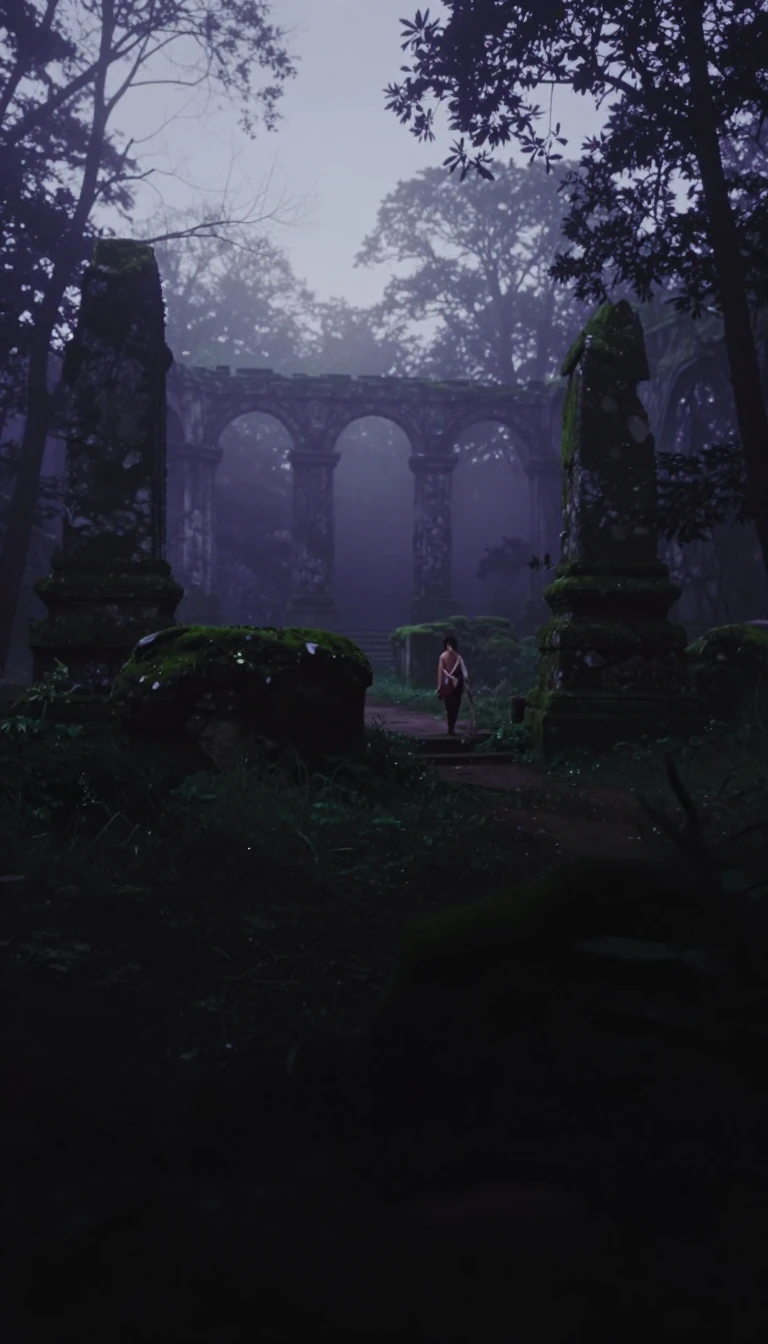
In short: High in the Southern Carpathians, wind and rain have carved the Bucegi Plateau into eerie, humanoid figures. But beyond the geological spectacle of the Sphinx and Babele lies a deeper layer of myth, where ancient Dacian gods were said to dwell in mountain caves.
The Bucegi Mountains, located in central Romania south of Brașov, are a landscape defined by both geological erosion and deep historical layers. At the heart of the range is the Bucegi Plateau, where the elements have sculpted famous rock formations known as the Sphinx and Babele. These figures sit within a region that has been recognized for its ecological importance for decades; while parts of the mountains have been listed as protected areas since 1935, the official Bucegi Natural Park was formally established in 1990 via Minister's order no. 7/1990. This park spans 32,663 hectares across the Dâmbovița, Prahova, and Brașov counties, with forests covering more than 60% of its territory.
The mountains are steeped in much older legends. Many believe this range served as the holy mountain Kogainon for the Dacians, a place where the god Zalmoxis was thought to reside in a cave. Even the name of the range remains a subject of linguistic debate. Some philologists suggest 'Bucegi' may derive from 'buceag' or 'bugeac', terms used by mountain dwellers to describe wilderness, juniper, or forest moss. Others, like the linguist Iorgu Iordan, propose a Slavic origin from 'buk', meaning beech tree. Alternatively, the linguist Sextil Pușcariu argued that the name relates to 'Bucur', a genuine Dacian name.
Today, the range is a hub for Romanian tourism, particularly in the Prahova Valley. The towns of Sinaia and Bușteni serve as gateways to the peaks. Sinaia, often called the 'Pearl of the Carpathians,' is home to the historic Peleș and Pelișor Castles, while Bușteni offers access to trekking routes and the high-altitude Babele Chalet via cable car. The landscape is part of a larger complex that includes the Leaota and Piatra Craiului ranges, separated by historical corridors like the Rucăr-Bran Pass, which once served as a vital border between Wallachia and Transylvania.
Opens the Intellect+ feed with this card first. Swipe up for the next one.
Sources
- Summary by Intellect · source: Bucegi Mountains
- Also: Wikidata — Bucegi Mountains · CC0
To cite this card, link to https://intellectplus.co.uk/app/places-bucegi-mountains.
How we source, check and correct cards: Editorial standards.
General information, not professional advice. Spotted an error? Flag the card or see corrections and complaints.
Intellect Plus is a visual educational discovery platform for exploring fascinating facts and ideas. Brain Food, Not Brain Rot. What is Intellect Plus?
Related
More in Land relief · More in Countries & Cities · Latest · A–Z · All topics
