Is this geometric masterpiece a fortress, a hunting lodge, or a cosmic symbol?
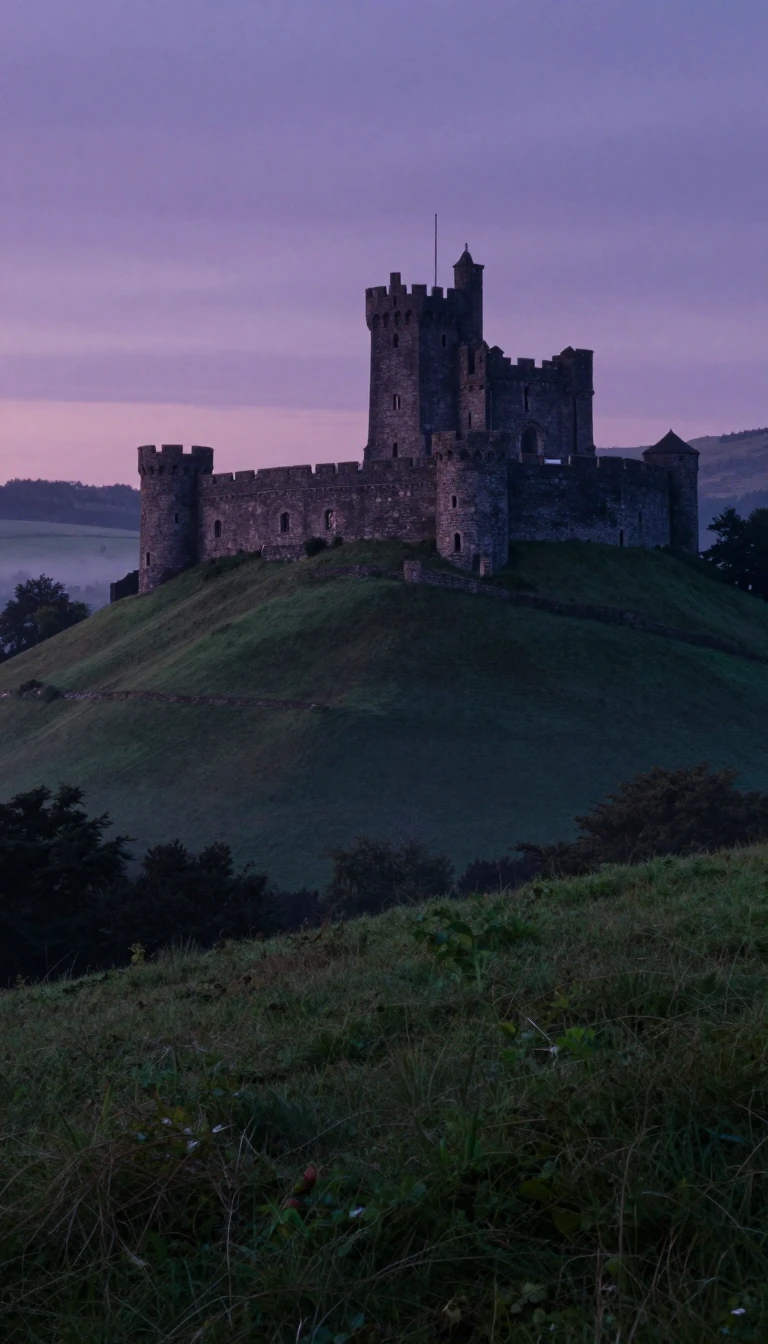
In short: Perched on an Apulian hill, Castel del Monte defies simple categorization. Built by Frederick II in the 1240s, its unique octagonal design has sparked centuries of debate. Was it a military citadel, a royal retreat, or a bridge between earth and sky? The truth is as complex as its architecture.
Commissioned by King Frederick II in the 1240s, Castel del Monte remains one of Italy's most enigmatic structures. Located in Andria at an altitude of 540 metres, the castle features a precise octagonal plan with an octagonal tower at each corner. While long dismissed by some as a mere hunting lodge, archaeological evidence now suggests it was a true citadel, likely originally protected by a curtain wall. The structure's geometry—an octagon often interpreted as a symbolic bridge between the square of the earth and the circle of the heavens—may have been inspired by the Dome of the Rock or the Palatine Chapel at Aachen.
The castle's history is marked by transformation and decline. Never fully finished, it served as a prison for the sons of Manfred of Sicily after 1266 under Charles I of Anjou. By the 18th century, the site had been stripped of its marble and furnishings, with materials repurposed for the palace at Caserta. It was not until 1876 that the Italian State purchased the site for 25,000 lire, eventually beginning restoration in 1928. During World War II, it even hosted a secret United States navigational aid station known as Big Fence.
Beyond its military and political history, the castle has left an unexpected mark on science and literature. In the 1950s, soil samples from the surrounding area led to the discovery of the bacterium Streptomyces peucetius, which produced the chemotherapeutic agent doxorubicin. Culturally, the fortress is widely believed to have inspired the 'Aedificium' in Umberto Eco's The Name of the Rose. Despite persistent myths linking the site to the Knights Templar, historians like Raffaele Licinio emphasize that the castle was simply a functional part of Frederick II's broader fortification system, devoid of esoteric intent.
Opens the Intellect+ feed with this card first. Swipe up for the next one.
Sources
- Summary by Intellect · source: Castel del Monte, Apulia
- Also: Wikidata — Castel del Monte, Apulia · CC0
- Also: Wikidata — Castel del Monte · CC0
To cite this card, link to https://intellectplus.co.uk/app/places-castel-del-monte-apulia.
How we source, check and correct cards: Editorial standards.
General information, not professional advice. Spotted an error? Flag the card or see corrections and complaints.
Intellect Plus is a visual educational discovery platform for exploring fascinating facts and ideas. Brain Food, Not Brain Rot. What is Intellect Plus?
Related
More in World Heritage Sites · More in Countries & Cities · Latest · A–Z · All topics
