Was this ancient Mexican city a bridge between the American Southwest and Mesoamerica?
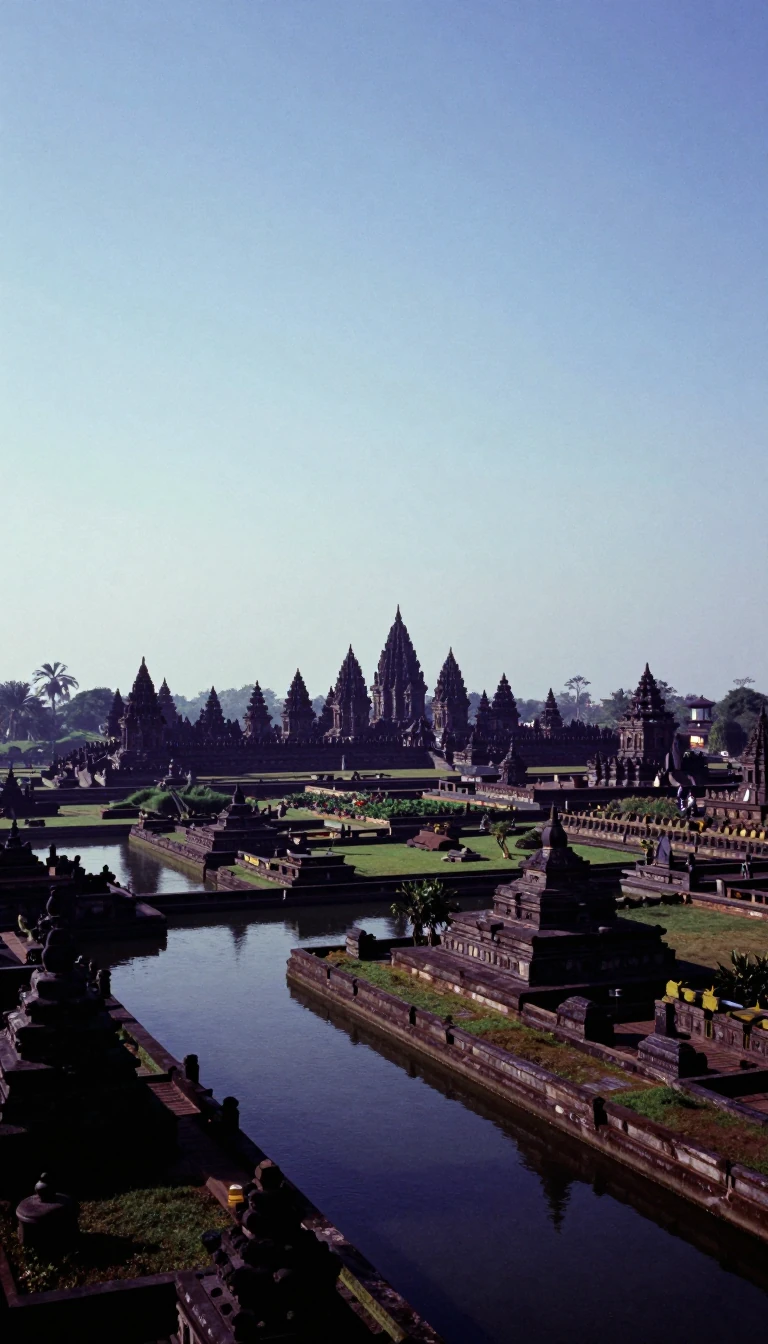
In short: Casas Grandes, also known as Paquimé, stands as a complex archaeological enigma in Chihuahua, Mexico. Featuring multi-story adobe apartments, I-shaped ballcourts, and sophisticated water systems, this prehistoric site reflects a unique blend of northern Puebloan architecture and southern Mesoamerican cultural influences, leaving scholars to debate its true origins and purpose.
Settlement at Casas Grandes began after 1130 AD, evolving from small clusters of single-story houses into a dense, multi-storied urban center by 1350 AD. At its peak, the site featured approximately 2,000 adjoining rooms, stone-faced platforms, and an intricate water management network that included reservoirs and underground drains. The city served as a hub for specialized crafts, including the production of copper ornaments and distinctive pottery, which were traded as far north as present-day Arizona and New Mexico.
The site’s architecture reveals a fascinating cultural duality. The eastern side of the city, characterized by rectilinear adobe structures, mirrors the traditions of North American Puebloan peoples, while the western side features open earth mounds and I-shaped ballcourts typical of Mesoamerican influence. This hybridity has fueled intense academic debate. Some theories suggest the city was a trading outpost established by Mesoamerican pochteca, while others propose it was founded by elites migrating from the declining Chaco Canyon in the north. A third, widely accepted view posits that it was a local Mogollon creation that selectively adopted foreign customs.
The community was abandoned around 1450 AD, though the reasons remain unclear. Local oral histories recorded by the Spanish explorer Francisco de Ibarra in 1565 suggest the inhabitants may have fled following conflicts with the Opata, potentially migrating toward the Rio Grande or into Sonora. Today, the site remains a UNESCO World Heritage site, offering a window into a sophisticated society that thrived at the intersection of two distinct cultural worlds.
Opens the Intellect+ feed with this card first. Swipe up for the next one.
Sources
- Summary by Intellect · source: Casas Grandes
- Also: Wikidata — Casas Grandes Municipality · CC0
- Also: Wikidata — Casas Grandes · CC0
To cite this card, link to https://intellectplus.co.uk/app/places-casas-grandes.
How we source, check and correct cards: Editorial standards.
General information, not professional advice. Spotted an error? Flag the card or see corrections and complaints.
Intellect Plus is a visual educational discovery platform for exploring fascinating facts and ideas. Brain Food, Not Brain Rot. What is Intellect Plus?
Related
More in World Heritage Sites · More in Countries & Cities · Latest · A–Z · All topics
