From Inca Courthouse to Colonial Mansion: The Transformation of Cusco's Casa Cabrera
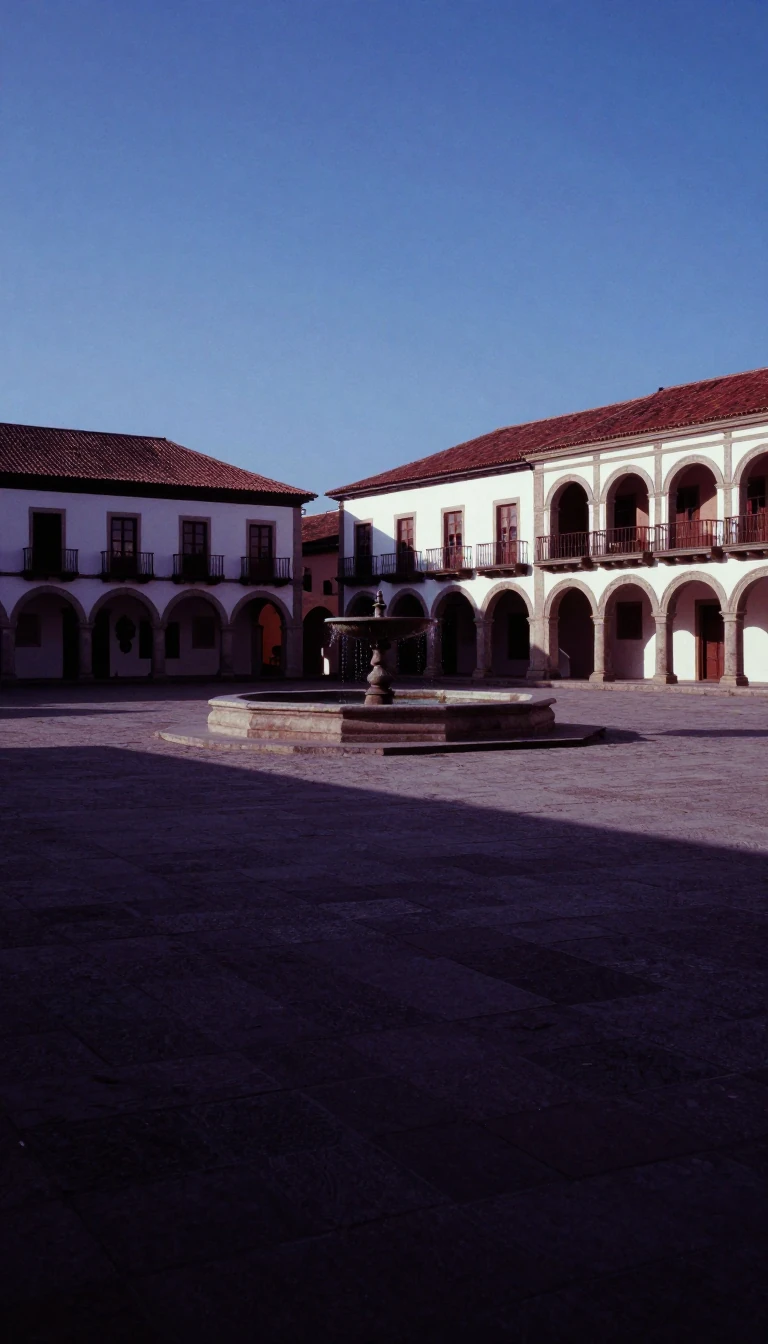
In short: In the heart of Cusco, a single building has served as an Inca ceremonial site, a Spanish conquistador's residence, and a ruinous relic. Today, this historic structure, known as Casa Cabrera, houses the Museo de Arte Precolombino, showcasing thousands of years of artistic evolution from across the diverse regions of ancient Peru.
The history of Casa Cabrera is a layered narrative of Peru's complex past. Originally serving as an Inca ceremonial courthouse, the site underwent a dramatic transformation in 1580 when it was acquired by the conquistador Alonso Díaz. Following this acquisition, the structure was rebuilt in a distinct Colonial style, eventually becoming the grand residence of Viceroy Hernandez de Cabrera, the figure for whom the mansion is named. Over the subsequent centuries, the building passed through numerous hands and fulfilled a variety of functions, eventually succumbing to a state of disrepair.
The building's modern chapter began with a comprehensive restoration project led by the Fundación BBVA. This effort culminated in the June 2003 reopening of the site as the Museo de Arte Precolombino. During the inauguration, Peruvian President Alejandro Toledo emphasized the museum's role in presenting the nation's cultural wealth to the global community, framing the preservation of these artifacts as a vital step toward constructing a future defined by justice, education, and cultural appreciation across Latin America.
Today, the museum serves as a repository for approximately 450 representative artifacts, carefully curated from the extensive collection of the Larco Museum in Lima. These works span a vast chronological range from 1250 BC to AD 1532. The collection is organized into ten distinct galleries, including the Formative, Nasca, Mochica, and Inca sections. Within the Inca Gallery, visitors can examine monumental vessels known as aribalos, which reflect the sophisticated organization and symbolism of the Tahuantinsuyo empire. From the intricate incised ceramics of the Cupisnique artists to the gold and silver metalwork of later periods, the museum offers a profound look at the artistic mastery that defined pre-Columbian civilizations.
Opens the Intellect+ feed with this card first. Swipe up for the next one.
Sources
- Summary by Intellect · source: Museo de Arte Precolombino, Cusco
To cite this card, link to https://intellectplus.co.uk/app/places-casa-cabrera.
How we source, check and correct cards: Editorial standards.
General information, not professional advice. Spotted an error? Flag the card or see corrections and complaints.
Intellect Plus is a visual educational discovery platform for exploring fascinating facts and ideas. Brain Food, Not Brain Rot. What is Intellect Plus?
Related
More in World Heritage Sites · More in Countries & Cities · Latest · A–Z · All topics
