The perpetually white mountains that birthed an empire and define a border
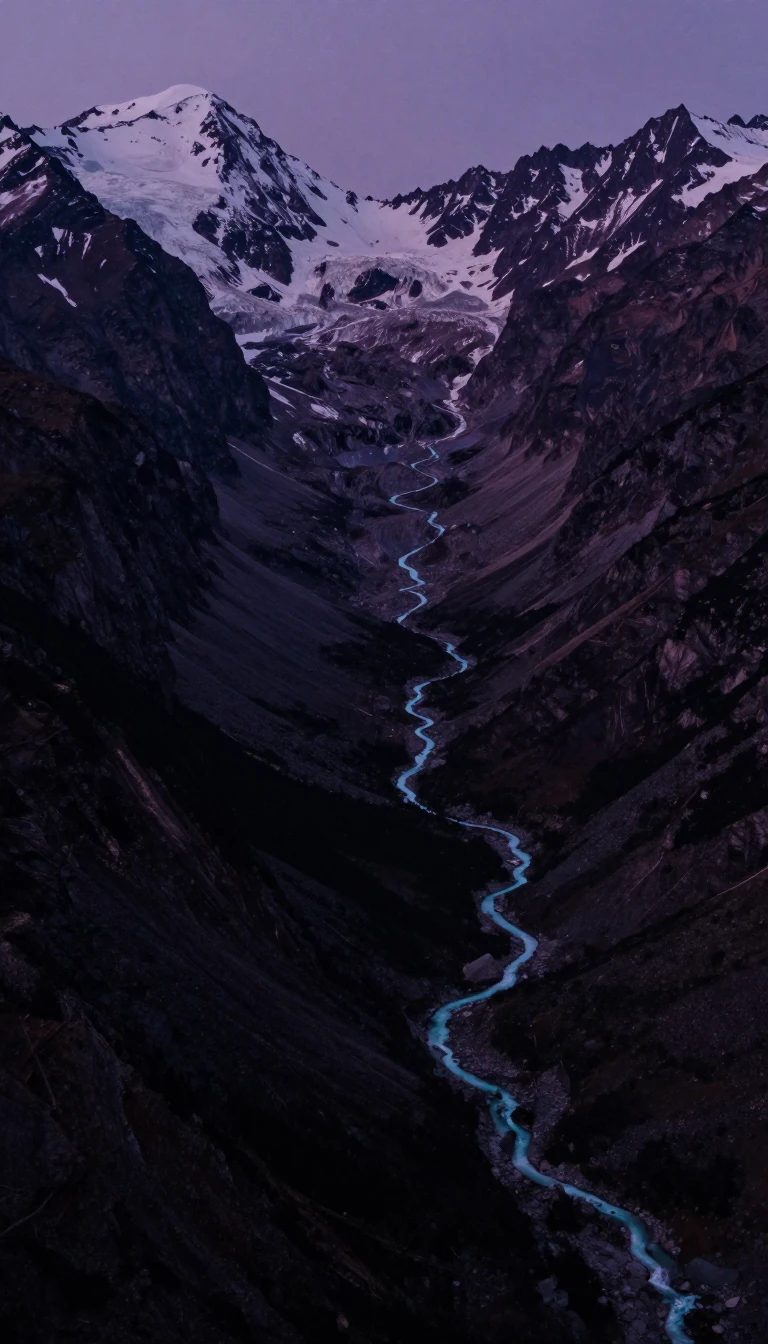
In short: Spanning the border between China and North Korea, the Changbai Mountains are more than a rugged landscape. Known as the Great Paekdu in Korean, this range is the mythical birthplace of the Qing dynasty’s imperial family and serves as a vital ecological sanctuary for rare wildlife and diverse forest zones.
The Changbai Mountains, or 'Perpetually-White Mountain Region,' stretch across Northeast China and North Korean provinces. The range is defined by its dramatic volcanic geography, most notably the 2,744-meter Paektu Mountain. At its summit lies Heaven Lake, a crater lake sitting at an elevation of 2,189.1 meters. These mountains are the headwaters for the Songhua, Tumen, and Yalu Rivers, and they experience a climate marked by long, harsh winters and summer precipitation that can reach 1,400 millimeters annually.
Historically, the range holds immense cultural weight. During the Liao and Jin dynasties, the name Changbai Shan became established, though the mountains appear in earlier texts like the Classic of Mountains and Seas. The Qing dynasty’s Aisin Gioro family considered this their ancestral homeland, centering their origin myth on Bukūri Yongšon. Legend claims he was born after his mother, a heavenly maiden, consumed a red fruit dropped by a magpie near a lake. While Emperor Hong Taiji promoted this narrative, a 1635 account by Muksike suggests a different location near the Amur River, highlighting the contested nature of these foundational stories.
Ecologically, the mountains are a vertical mosaic of life. Vegetation shifts from temperate hardwood forests at lower elevations to tundra above 2,000 meters. The Chinese side remains largely pristine, supporting Siberian tigers, Mongolian wolves, and Asian black bears, whereas the North Korean slopes have faced significant deforestation. BirdLife International recognizes the region as an Important Bird Area, particularly for the scaly-sided merganser. Today, the range serves as both a protected wilderness and a site of human activity, ranging from the Longwanqun National Forest Park to the Yabuli Ski Resort.
Opens the Intellect+ feed with this card first. Swipe up for the next one.
Sources
- Summary by Intellect · source: Changbai Mountains
- Also: Wikidata — Changbai Mountains · CC0
- Also: Wikidata — Changbai Mountains mixed forests · CC0
To cite this card, link to https://intellectplus.co.uk/app/places-changbai-mountains.
How we source, check and correct cards: Editorial standards.
General information, not professional advice. Spotted an error? Flag the card or see corrections and complaints.
Intellect Plus is a visual educational discovery platform for exploring fascinating facts and ideas. Brain Food, Not Brain Rot. What is Intellect Plus?
Related
More in Land relief · More in Countries & Cities · Latest · A–Z · All topics
