Why did an Assyrian king build a massive capital only to abandon it?
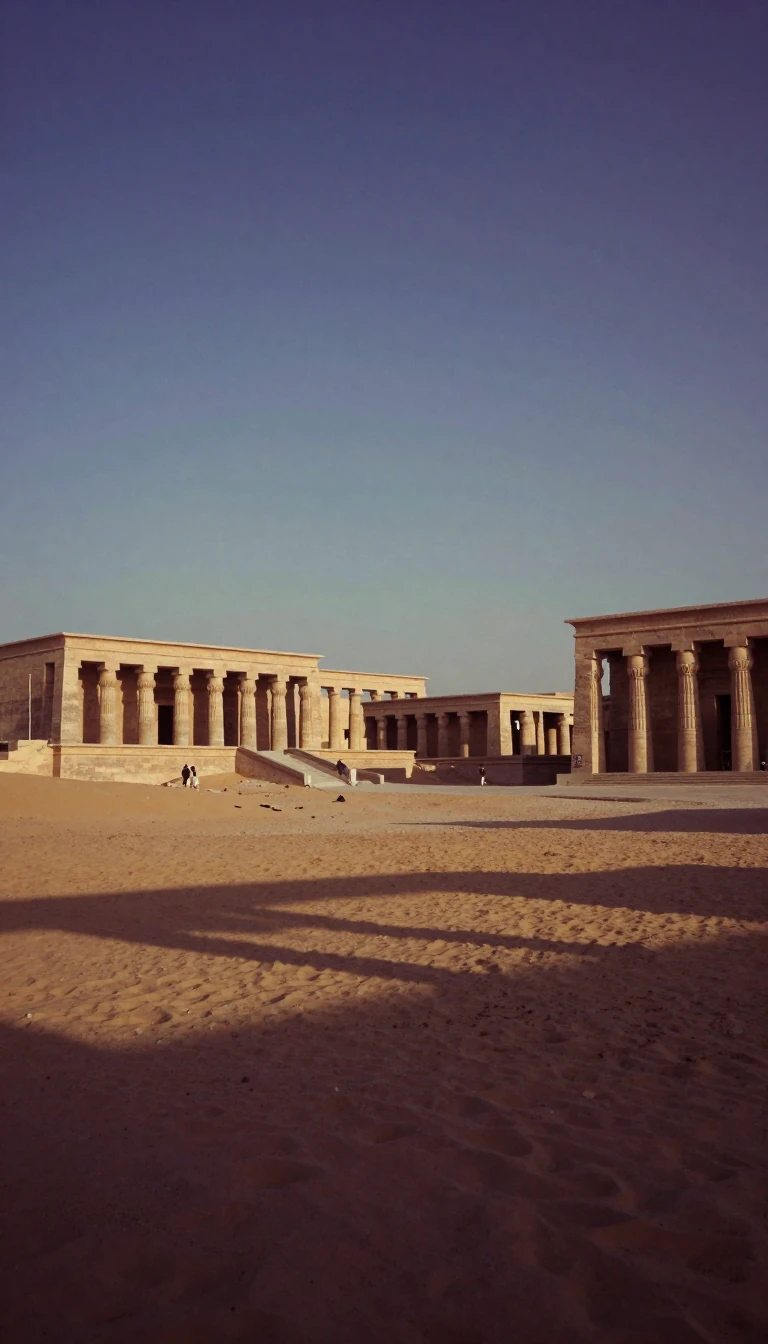
In short: Dur-Sharrukin was a marvel of ancient urban planning, constructed in just a decade to serve as the seat of Sargon II. Yet, almost immediately after its dedication in 706 BCE, the city was forsaken. Discover the story of a short-lived capital and the king who sought immortality through stone.
Built between 717 and 707 BCE, Dur-Sharrukin—or the Fortress of Sargon—represented the peak of Assyrian royal ambition. King Sargon II, who reigned from 721 to 705 BCE, designed the city as a testament to his legitimacy and the power of the god Ashur. The site, located in modern-day Iraq, was a masterpiece of geometry, featuring a rectangular layout protected by massive walls and 157 towers. Seven gates provided access to an enclosed area of approximately 3 square kilometers, housing a royal palace and temples dedicated to deities such as Nabu, Shamash, and Sin.
The construction of Dur-Sharrukin was a monumental logistical feat. To secure a workforce, the state nullified the debts of laborers, while materials and craftsmen were sourced from as far as coastal Phoenicia. Beyond the city walls, Sargon transformed the landscape, planting olive groves to bolster oil production and creating elaborate gardens. These gardens were designed to showcase the empire's reach, featuring fruit trees like quinces and almonds, and even a man-made mound modeled after the Amanus mountains of Syria. A pillared pavilion stood at the center, serving as a retreat for the king.
Despite this immense investment, the city's glory was fleeting. Sargon II died in battle in 705 BCE, less than a year after the city's dedication. His successor, Sennacherib, promptly abandoned the project, relocating the administrative capital 20 kilometers south to Nineveh. While the city remained inhabited for a time, it was never fully completed. Over the centuries, the site faded into obscurity, eventually becoming the location of the village of Khorsabad. It was not until the mid-nineteenth century that European archaeologists began to uncover the remnants of Sargon’s grand, abandoned vision.
Opens the Intellect+ feed with this card first. Swipe up for the next one.
Sources
- Summary by Intellect · source: Dur Sharrukin | Iraq, Map, & Facts | Britannica
- Also: Dur-Sharrukin
To cite this card, link to https://intellectplus.co.uk/app/places-dur-sharrukin.
How we source, check and correct cards: Editorial standards.
General information, not professional advice. Spotted an error? Flag the card or see corrections and complaints.
Intellect Plus is a visual educational discovery platform for exploring fascinating facts and ideas. Brain Food, Not Brain Rot. What is Intellect Plus?
Related
More in Historical cities, towns and archaeological sites · More in Countries & Cities · Latest · A–Z · All topics
