The Chauvet Cave holds some of the world's oldest and most sophisticated prehistoric art.
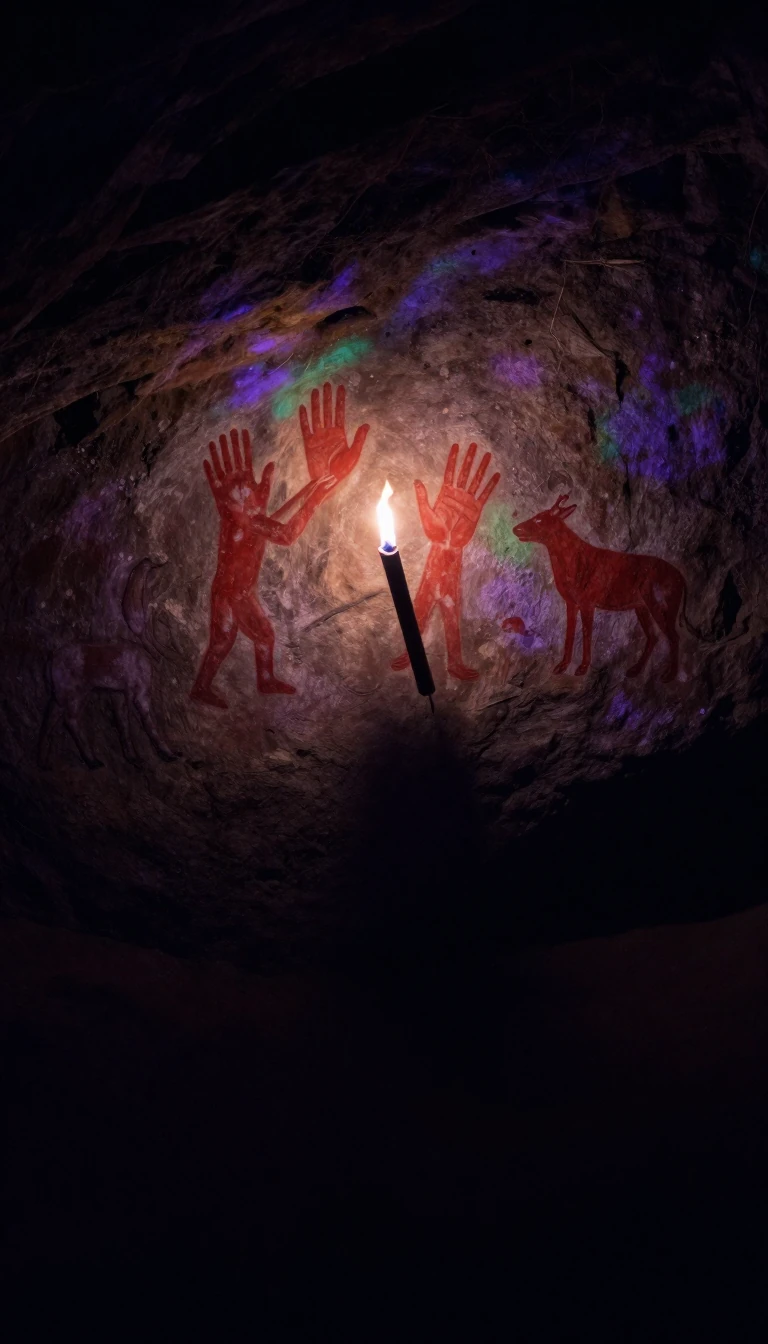
In short: Discovered in 1994, this French limestone cavern contains hundreds of remarkably preserved animal paintings. While traditional views once questioned their age, modern radiocarbon dating suggests humans occupied the site in two distinct phases, creating masterpieces that predate most other known cave art by thousands of years.
Located in the Ardèche department of France, the Chauvet-Pont-d'Arc Cave was revealed to the world on December 18, 1994, by a team of three speleologists. The site is renowned for its figurative paintings, which feature a diverse array of species including cave lions, rhinoceroses, and bears. Unlike many other Paleolithic sites that focus on herbivores, Chauvet showcases a high concentration of predators. The artists employed advanced techniques, such as scraping walls to create lighter canvases and using etching to suggest movement and three-dimensional depth.
Determining the age of these works has been a subject of intense scientific debate. Early stylistic comparisons led some researchers to argue for a younger origin, but extensive radiocarbon analysis has largely settled the timeline. A 2016 study of 259 dates identified two primary periods of human activity: an initial phase from 37,000 to 33,500 years ago and a subsequent era between 31,000 and 28,000 years ago. Most of the iconic black drawings belong to the earlier period. Further geological evidence, including the dating of a rockfall that sealed the entrance approximately 29,000 years ago, supports these findings.
The cave also provides a rare glimpse into the lives of its ancient visitors. Beyond the art, the site contains fossilized remains of cave bears, hearth remnants, and even what may be the oldest accurately dated human footprints. To protect this fragile environment from the mold growth that damaged other famous sites like Lascaux, the cave remains closed to the public. Instead, visitors can experience a full-scale replica, the Caverne du Pont-d'Arc, which meticulously recreates the sensory conditions of the original underground space.
Opens the Intellect+ feed with this card first. Swipe up for the next one.
Sources
- Summary by Intellect · source: Chauvet Cave
- Also: Wikidata — Chauvet Cave · CC0
- Also: Wikidata — Chauvet cave paintings · CC0
To cite this card, link to https://intellectplus.co.uk/app/places-chauvet-cave.
How we source, check and correct cards: Editorial standards.
General information, not professional advice. Spotted an error? Flag the card or see corrections and complaints.
Intellect Plus is a visual educational discovery platform for exploring fascinating facts and ideas. Brain Food, Not Brain Rot. What is Intellect Plus?
Related
More in World Heritage Sites · More in Countries & Cities · Latest · A–Z · All topics
