The star-shaped masterpiece that survived centuries of conflict
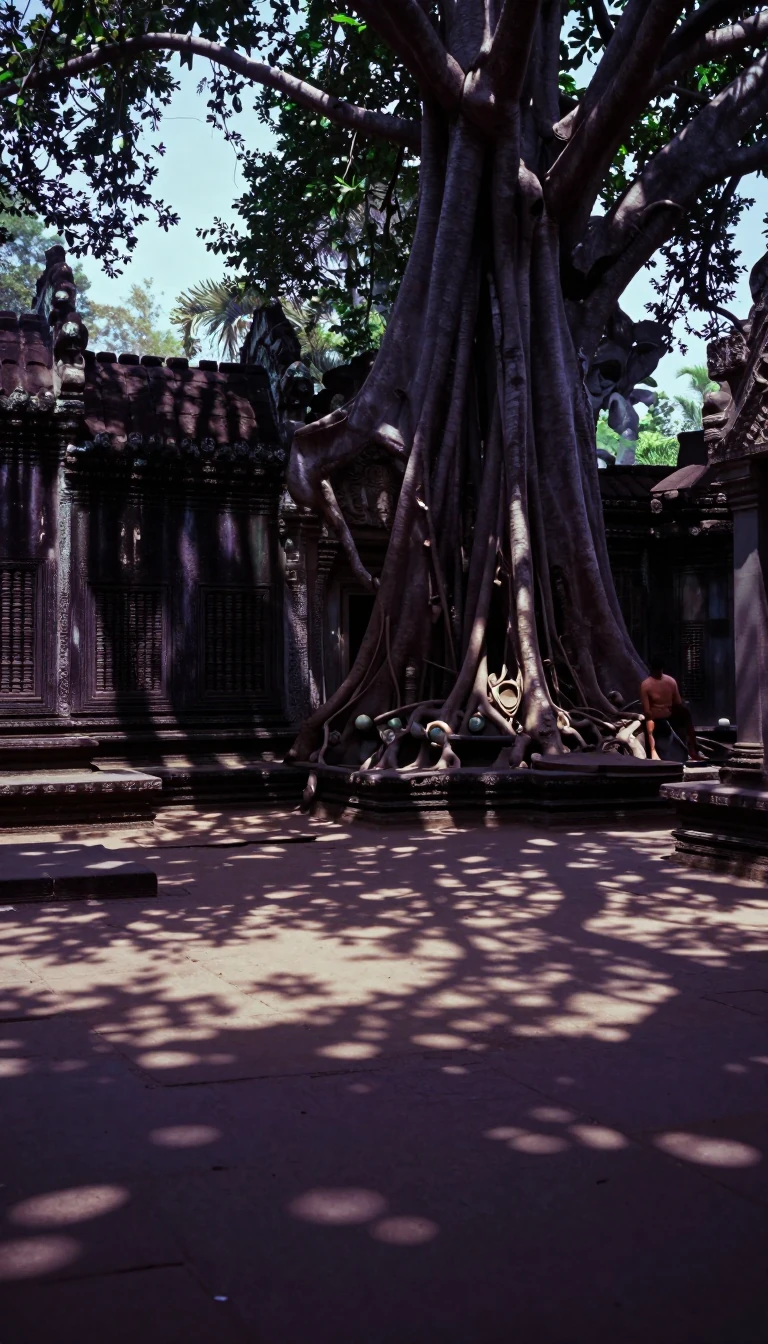
In short: Carved from soft soapstone that hardens upon exposure to air, the Chennakeshava Temple is a pinnacle of Hoysala architecture. Despite facing devastating attacks in the 14th century, this intricate Vaishnava sanctuary remains a vital testament to 13th-century artistic and religious sophistication.
Consecrated in 1258 CE by Somanatha Dandanayaka, a general serving the Hoysala King Narasimha III, the temple at Somanathapura is a masterclass in architectural detail. The structure is built upon a star-shaped platform, or jagati, which serves as a circumambulatory path. This path is designed for devotees to walk clockwise, allowing them to read the mythological friezes of the Ramayana, Mahabharata, and Bhagavata Purana in a specific sequence.
The temple's intricate carvings were made possible by the use of chloritic schist, a green-grey soapstone. This material is notably soft when first quarried, allowing for extreme detail, but it hardens once exposed to the air. The artistry extends from the main temple's three symmetrical sanctums to a courtyard containing 64 corridor shrines. While many of these smaller shrines and their statues were defaced or destroyed during historical conflicts, the core structure remains an essential example of the Hoysala style.
The temple's history is marked by resilience. It suffered significant damage during the 14th century, specifically during attacks by Malik Kafur in 1311 and Muhammad Bin Tughlaq in 1326. Nevertheless, the Vijayanagara Empire funded temple restorations throughout the 1500s, while the Mysore government of the colonial period oversaw further work during the early 1900s. In 2023, the site was recognized by UNESCO as a World Heritage Site, part of the Sacred Ensembles of the Hoysalas.
Beyond its religious function, the temple serves as a historical record. The friezes do more than depict scripture; they capture glimpses of 13th-century life, including military marches with horses and camels, and even humorous details like monkeys supporting the legs of horses. This blend of the divine and the mundane makes the Chennakeshava Temple a unique climax of Hoysala artistic development.
Opens the Intellect+ feed with this card first. Swipe up for the next one.
Sources
- Summary by Intellect · source: Chennakeshava Temple, Somanathapura
To cite this card, link to https://intellectplus.co.uk/app/places-chennakeshava-temple-somanathapura.
How we source, check and correct cards: Editorial standards.
General information, not professional advice. Spotted an error? Flag the card or see corrections and complaints.
Intellect Plus is a visual educational discovery platform for exploring fascinating facts and ideas. Brain Food, Not Brain Rot. What is Intellect Plus?
Related
More in World Heritage Sites · More in Countries & Cities · Latest · A–Z · All topics
