How a small French valley became the undisputed capital of prehistoric human history
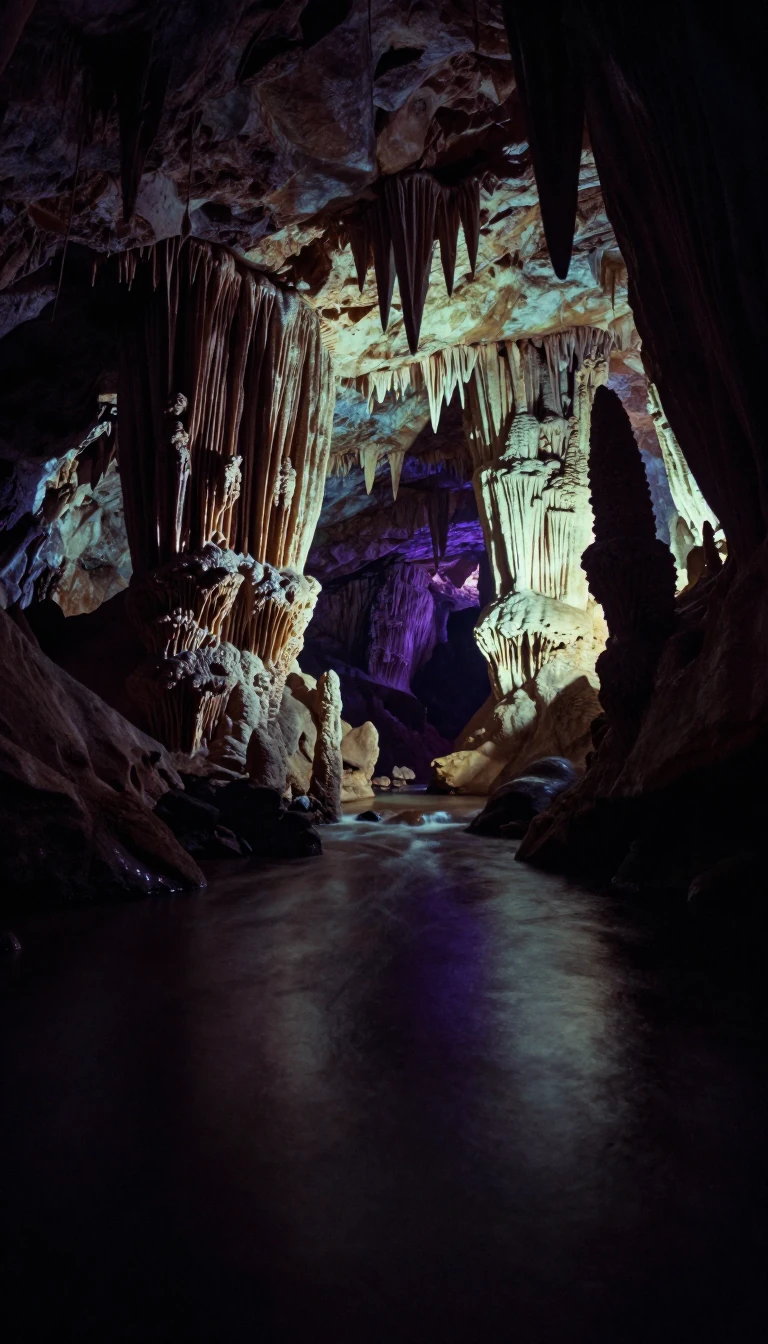
In short: The Vézère valley in France holds over 150 prehistoric sites, including 25 decorated caves that fundamentally reshaped our understanding of human antiquity. Once dismissed as modern forgeries, these ancient masterpieces eventually provided the definitive proof needed to establish the timeline of Paleolithic art and the evolution of early modern humans.
Designated a UNESCO World Heritage Site in 1979, the Vézère valley in the Dordogne department is often called the Capital of Prehistory. Its unique geological and environmental conditions—most likely an abundance of game—supported an unparalleled density of human occupation. Excavations have revealed deep, superimposed cultural strata that allowed archaeologists to establish the foundational sequence of Paleolithic culture types. Sites like Le Moustier and Abri de la Madeleine became the eponymous type sites for the Mousterian and Magdalenian periods, respectively, while the Cro-Magnon rock shelter provided the name for early modern European humans.
The region was the primary battleground for the legitimacy of prehistoric art. Throughout the late 19th century, discoveries like the Cave of Altamira were widely rejected as modern fakes. It was not until the 1901 discoveries at Font-de-Gaume and Les Combarelles, combined with Émile Rivière’s earlier investigation of La Mouthe, that the scientific community finally accepted the antiquity of these works. Émile Cartailhac, a leading skeptic, famously published a mea culpa in 1902 after reviewing the evidence from these sites, effectively ending the debate.
Archaeological research here has been a century-long endeavor, defined by figures like Henri Breuil and Denis Peyrony. Their work transformed the valley into a living laboratory, culminating in the 1940 discovery of Lascaux. Today, the valley remains a critical reference point for human history, with sites like Abri Pataud providing essential stratigraphic data for radiocarbon dating. While some sites like Lascaux are now closed to protect their delicate environments from modern atmospheric damage, 3D reproductions and limited access to other caves ensure that this extraordinary record of human achievement remains a cornerstone of global archaeological study.
Opens the Intellect+ feed with this card first. Swipe up for the next one.
Sources
- Summary by Intellect · source: Prehistoric Sites and Decorated Caves of the Vézère Valley
To cite this card, link to https://intellectplus.co.uk/app/places-prehistoric-sites-and-decorated-caves-of-the-v-z-re-valley.
How we source, check and correct cards: Editorial standards.
General information, not professional advice. Spotted an error? Flag the card or see corrections and complaints.
Intellect Plus is a visual educational discovery platform for exploring fascinating facts and ideas. Brain Food, Not Brain Rot. What is Intellect Plus?
Related
More in World Heritage Sites · More in Countries & Cities · Latest · A–Z · All topics
