The Chicxulub Crater Is the Only Impact Site Linked to a Global Mass Extinction
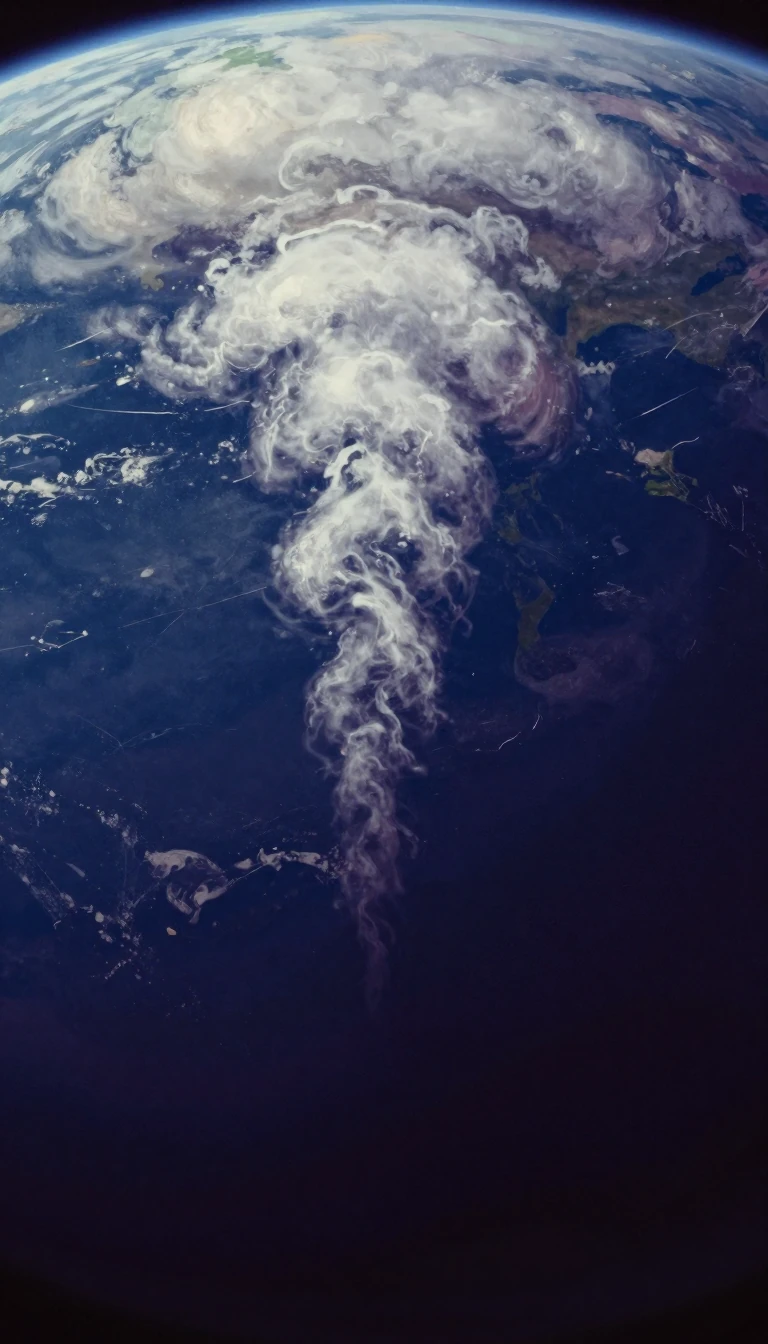
In short: Sixty-six million years ago, an asteroid struck the Yucatán Peninsula, triggering a cataclysm that wiped out three-quarters of all species on Earth. While the crater is now buried beneath sedimentary rock, it remains the only impact structure on our planet definitively connected to a major extinction event in geological history.
The Chicxulub impact occurred approximately 66 million years ago, marking the boundary between the Cretaceous and Paleogene periods. This event is widely accepted as the primary driver of a mass extinction that claimed the lives of non-avian dinosaurs, various marine reptiles, and ammonites. Despite this consensus, researchers continue to investigate the specific mechanics of the disaster. Scientists are currently debating which factors—such as global cooling, wildfires, toxic metal dispersal, acid rain, or the cessation of photosynthesis due to dust and soot—were the most lethal to life on Earth.
To solve these mysteries, a team led by the University of Texas Institute for Geophysics conducted drilling operations in 2016. As part of the International Ocean Discovery Program, they extracted the first-ever core samples from the crater’s peak ring. This unique geological feature, which is the only intact peak ring accessible for study, offers a window into the thermal history of the impact and the subsequent recovery of life. By analyzing these rocks, researchers hope to quantify how much target material was vaporized and ejected into the atmosphere, providing a clearer picture of the climate disruption that followed.
The discovery of the crater itself was a decades-long process. In the late 1970s, geophysicists Glen Penfield and Antonio Camargo identified a massive circular anomaly while surveying the Yucatán Peninsula for oil. Although their findings were initially dismissed by their employer, Petróleos Mexicanos, and largely overlooked by the scientific community during the early 1980s, the site eventually became the focal point of global research. Today, the crater stands as a critical site for understanding how planetary-scale impacts reshape the biosphere and force the evolution of life on Earth.
Opens the Intellect+ feed with this card first. Swipe up for the next one.
Sources
- Summary by Intellect · source: Chicxulub Crater - UT Institute for Geophysics
- Also: Chicxulub crater
To cite this card, link to https://intellectplus.co.uk/app/places-chicxulub-crater.
How we source, check and correct cards: Editorial standards.
General information, not professional advice. Spotted an error? Flag the card or see corrections and complaints.
Intellect Plus is a visual educational discovery platform for exploring fascinating facts and ideas. Brain Food, Not Brain Rot. What is Intellect Plus?
Related
More in Other terrestrial features · More in Countries & Cities · Latest · A–Z · All topics
