The term conure is a bird-keeping label, not a scientific classification of parrots.
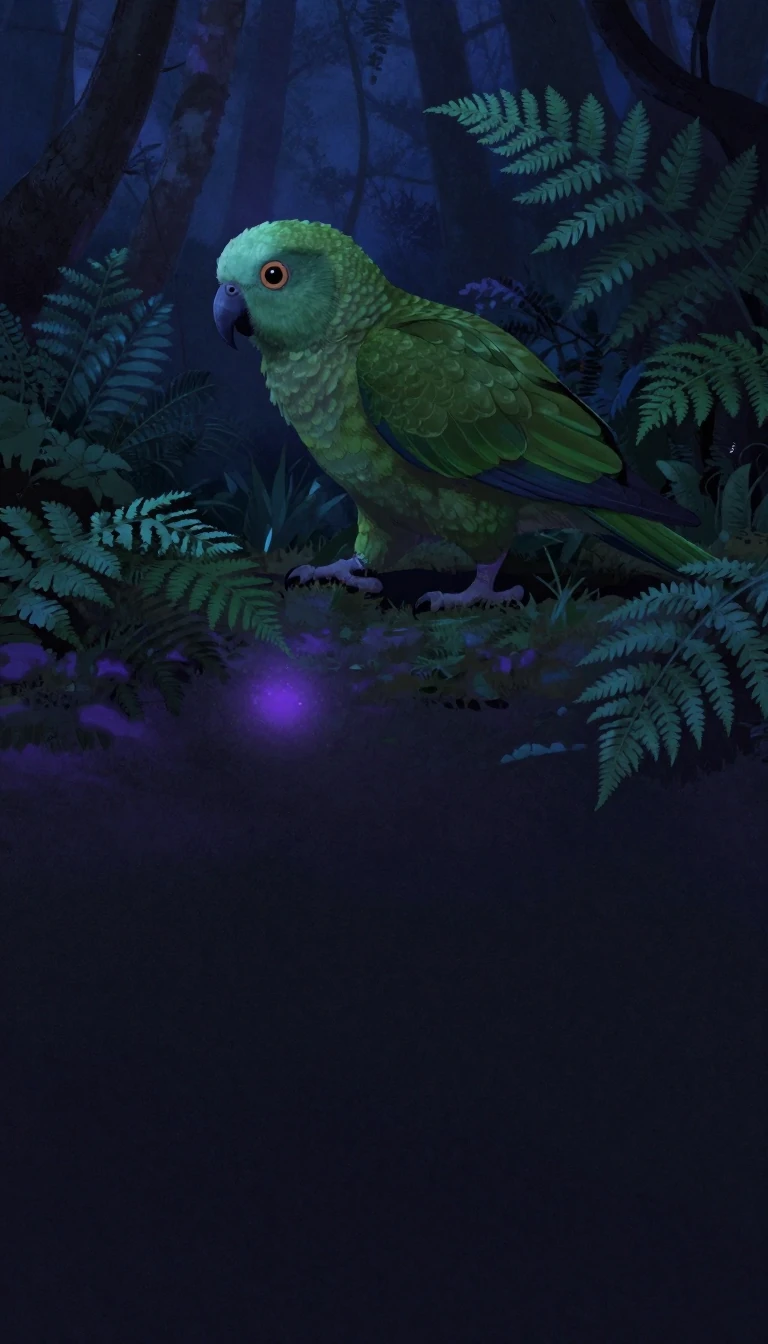
In short: If you ask an ornithologist about a conure, they might point you toward a parakeet. While the name is a staple in aviculture for a diverse group of New World parrots, it lacks a formal biological definition. These colorful, long-tailed birds are essentially the clowns of the parrot world.
The label conure is loosely applied to a variety of small to medium-sized parrots native to the Western Hemisphere. Because they do not form a natural scientific grouping, researchers often prefer broader terms like parakeet or parrot. The category is primarily maintained by bird enthusiasts, covering several genera such as Aratinga, Pyrrhura, Eupsittula, and Psittacara. Even within these groups, classification remains fluid; for instance, many species previously categorized under Aratinga were reclassified into Psittacara or Eupsittula as recently as 2013.
These birds are known for their intelligence, social nature, and often, their volume. Aratinga species, such as the sun conure, are typically larger, louder, and more demanding than the generally quieter, more subdued Pyrrhura species. Despite their popularity as pets, some, like the golden conure, are rare and face significant conservation challenges. Others, like the Patagonian conure, have seen their wild populations threatened by illegal trade, even as they remain common in captivity. The extinct Carolina parakeet serves as a cautionary tale; once a social, abundant species in the United States, it was driven to extinction by the early 1900s due to hunting for the plume trade and its reputation as an agricultural pest.
Beyond their native ranges in Central and South America, conures have proven remarkably adaptable to urban environments. Non-native colonies have established themselves in cities across the United States, from the cherry-headed conures of San Francisco’s Telegraph Hill to the nanday conures found in Florida and Los Angeles. These urban flocks often thrive by exploiting ornamental tropical plants, which provide a consistent food supply. While some species are beloved for their personality and ability to learn tricks, others, like the Quaker parakeet, are restricted in certain regions due to their tendency to build massive nests on power lines.
Opens the Intellect+ feed with this card first. Swipe up for the next one.
Sources
- Summary by Intellect · source: Conure
- Also: Wikidata — conure · CC0
To cite this card, link to https://intellectplus.co.uk/app/places-conure.
How we source, check and correct cards: Editorial standards.
General information, not professional advice. Spotted an error? Flag the card or see corrections and complaints.
Intellect Plus is a visual educational discovery platform for exploring fascinating facts and ideas. Brain Food, Not Brain Rot. What is Intellect Plus?
Related
More in Other terrestrial features · More in Countries & Cities · Latest · A–Z · All topics
