How a quiet fishing village became the world's most famous stage for massive crowds
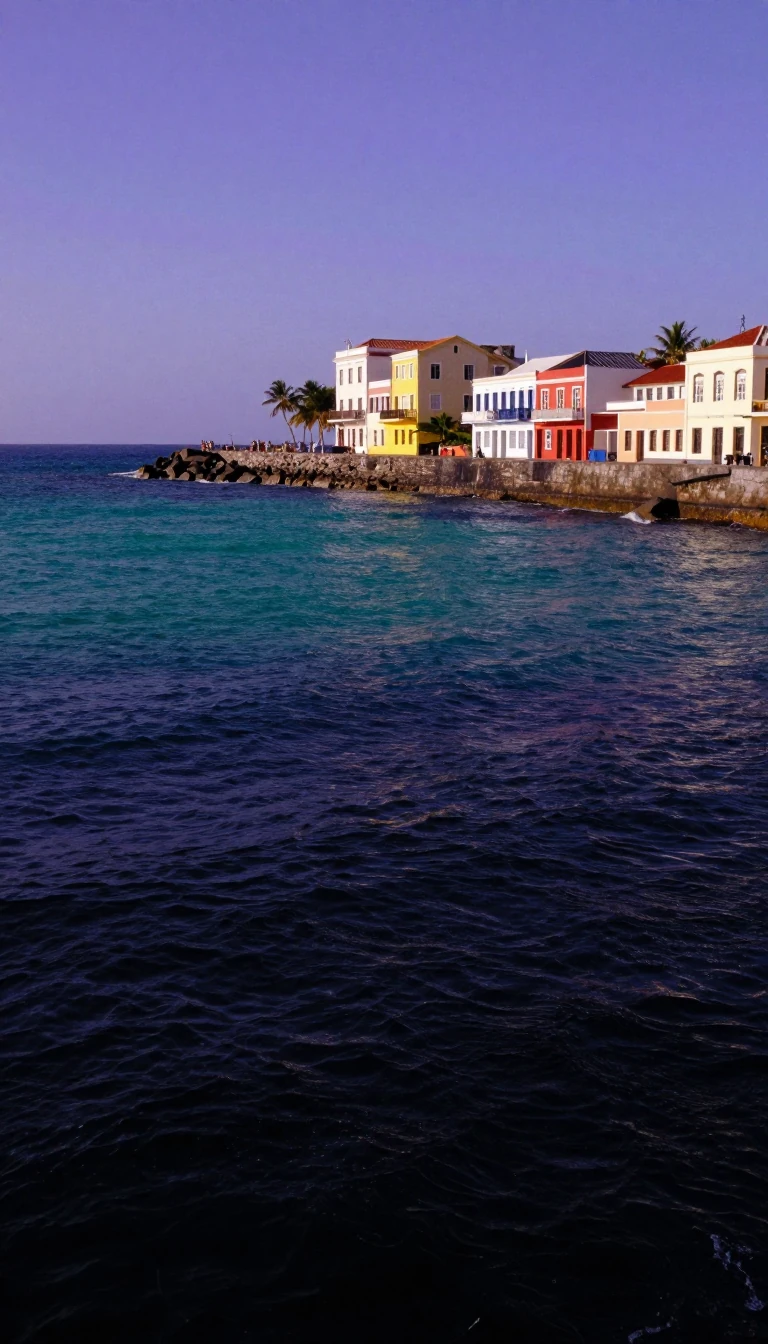
In short: Copacabana is more than a beach; it is a dense urban phenomenon. Originally named for a heron-filled path, this Rio de Janeiro neighborhood now packs 160,000 residents into five square kilometers. It serves as a global magnet for millions, hosting record-breaking concerts and the world's most iconic New Year's Eve celebrations.
Before it was a global icon, the district was known as Sacopenapã, a name derived from the Tupi language referring to the local heron population. Its transformation began in the mid-18th century following the construction of a chapel dedicated to Our Lady of Copacabana. Today, the area is defined by its high-density urban fabric, characterized by residential buildings typically eleven to thirteen stories tall. With a population density of 20,400 people per square kilometer, it remains a vibrant, bustling hub that once held the status of one of the finest neighborhoods in Brazil when Rio served as the nation's capital.
The beach itself is a 4-kilometer stretch of sand framed by historic fortifications: the 1779 Fort Duque de Caxias at the north end and the 1914 Fort Copacabana at the south. The iconic promenade, featuring a geometric black-and-white wave pattern, was designed by Roberto Burle Marx and rebuilt in 1970. This space has evolved into a massive public stage. While New Year's Eve celebrations began in the 1950s as small, religious gatherings for Candomblé and Umbanda practitioners, the city began promoting the event on a grand scale in the 1990s. The introduction of large-scale concerts was a strategic move to manage crowd egress, successfully preventing the turmoil that previously followed the fireworks.
The scale of events hosted here is unparalleled. In 1994, a Rod Stewart concert drew 4.5 million people, and in 2025, Lady Gaga attracted an estimated 2.1 million attendees. These gatherings are now central to the city's economic strategy, exemplified by the 'Todo Mundo no Rio' project. Despite the massive crowds, the neighborhood maintains a distinct demographic profile, with 27.5% of its population aged 60 or older. From hosting the 2016 Summer Olympics to serving as a site for papal masses, Copacabana remains a unique intersection of religious tradition, urban density, and global entertainment.
Opens the Intellect+ feed with this card first. Swipe up for the next one.
Sources
- Summary by Intellect · source: Copacabana, Rio de Janeiro
To cite this card, link to https://intellectplus.co.uk/app/places-copacabana-rio-de-janeiro.
How we source, check and correct cards: Editorial standards.
General information, not professional advice. Spotted an error? Flag the card or see corrections and complaints.
Intellect Plus is a visual educational discovery platform for exploring fascinating facts and ideas. Brain Food, Not Brain Rot. What is Intellect Plus?
Related
More in Other terrestrial features · More in Countries & Cities · Latest · A–Z · All topics
