Is the Citadel of Erbil the oldest continuously inhabited city in the world?
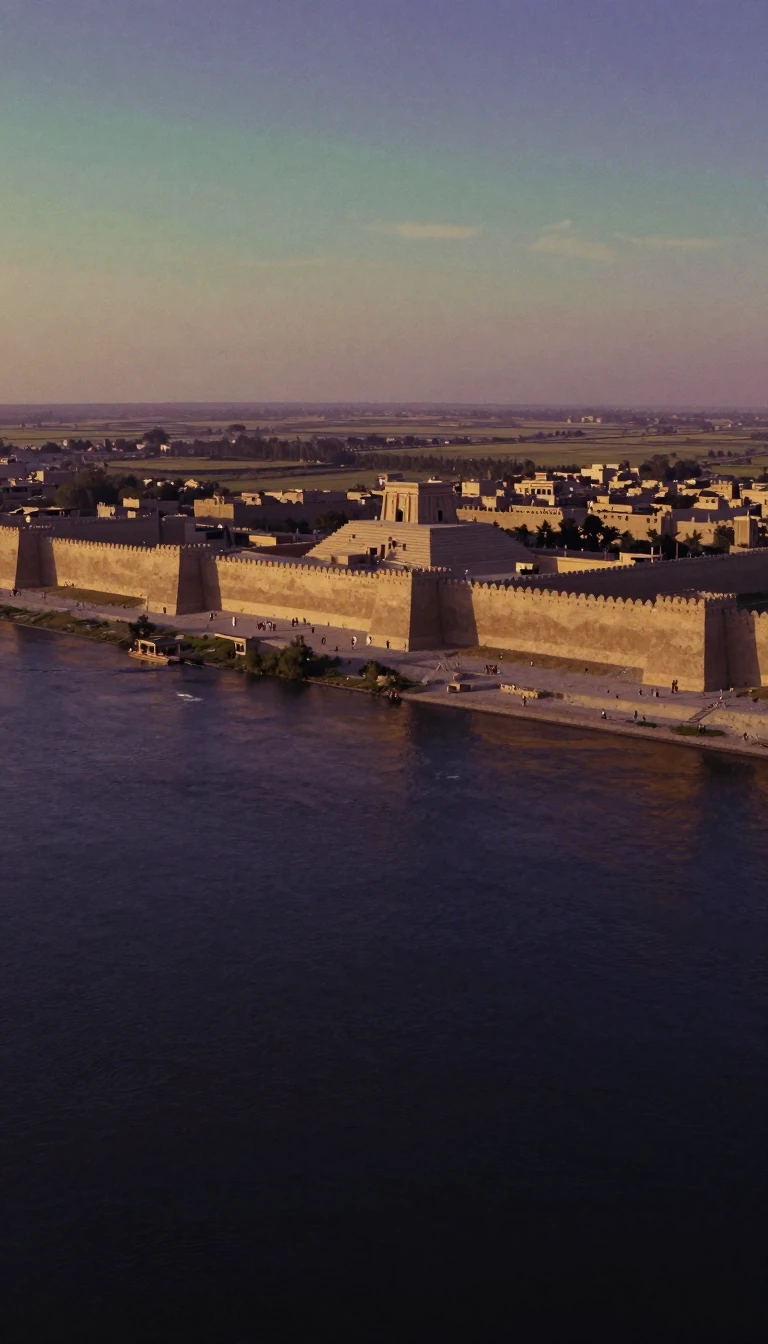
In short: Rising 32 metres above the plains of Iraqi Kurdistan, the Citadel of Erbil is a massive tell—an artificial mound built by millennia of human occupation. With evidence stretching back to the 5th millennium BC, this ancient site remains a subject of intense archaeological study and UNESCO preservation efforts today.
The Citadel of Erbil is a striking example of a tell, a settlement mound formed by the accumulation of debris from successive generations of inhabitants. Its history is deeply layered, with archaeological evidence suggesting occupation as early as the Neolithic period. By the 5th millennium BC, the site was clearly inhabited, and it later gained prominence in the 3rd millennium BC, appearing in the Ebla archives around 2300 BC. Throughout its long existence, the citadel has served as a religious and military hub, notably during the Neo-Assyrian period when it was a major centre for the goddess Ishtar.
The site's urban structure has evolved dramatically over time. Historically, it was divided into three districts—the Serai, the Takya, and the Topkhana—housing noble families, dervishes, and craftsmen. However, the 20th century brought significant changes, including the installation of a large water tank in 1924 that caused structural damage and the demolition of numerous historic buildings to accommodate modern roads. By 2007, the government evicted the remaining 840 families to facilitate a large-scale restoration project, leaving only one family in residence to maintain the site's claim to continuous habitation.
Today, the citadel is a UNESCO World Heritage site, though its status has faced scrutiny due to the slow pace of restoration. Modern researchers are using geophysical prospection and 3D modelling to uncover the secrets buried beneath the surface, including Neo-Assyrian tombs and ancient fortifications. While the market area at the foot of the mound continues to thrive with traditional crafts like Klash shoe-making, the citadel itself remains a protected monument, standing as a testament to thousands of years of human resilience in the heart of the Middle East.
Opens the Intellect+ feed with this card first. Swipe up for the next one.
Sources
- Summary by Intellect · source: Citadel of Erbil
- Also: Wikidata — Citadel of Erbil · CC0
To cite this card, link to https://intellectplus.co.uk/app/places-citadel-of-erbil.
How we source, check and correct cards: Editorial standards.
General information, not professional advice. Spotted an error? Flag the card or see corrections and complaints.
Intellect Plus is a visual educational discovery platform for exploring fascinating facts and ideas. Brain Food, Not Brain Rot. What is Intellect Plus?
Related
More in World Heritage Sites · More in Countries & Cities · Latest · A–Z · All topics
