Why Miami is the world's most likely major city to face a hurricane strike
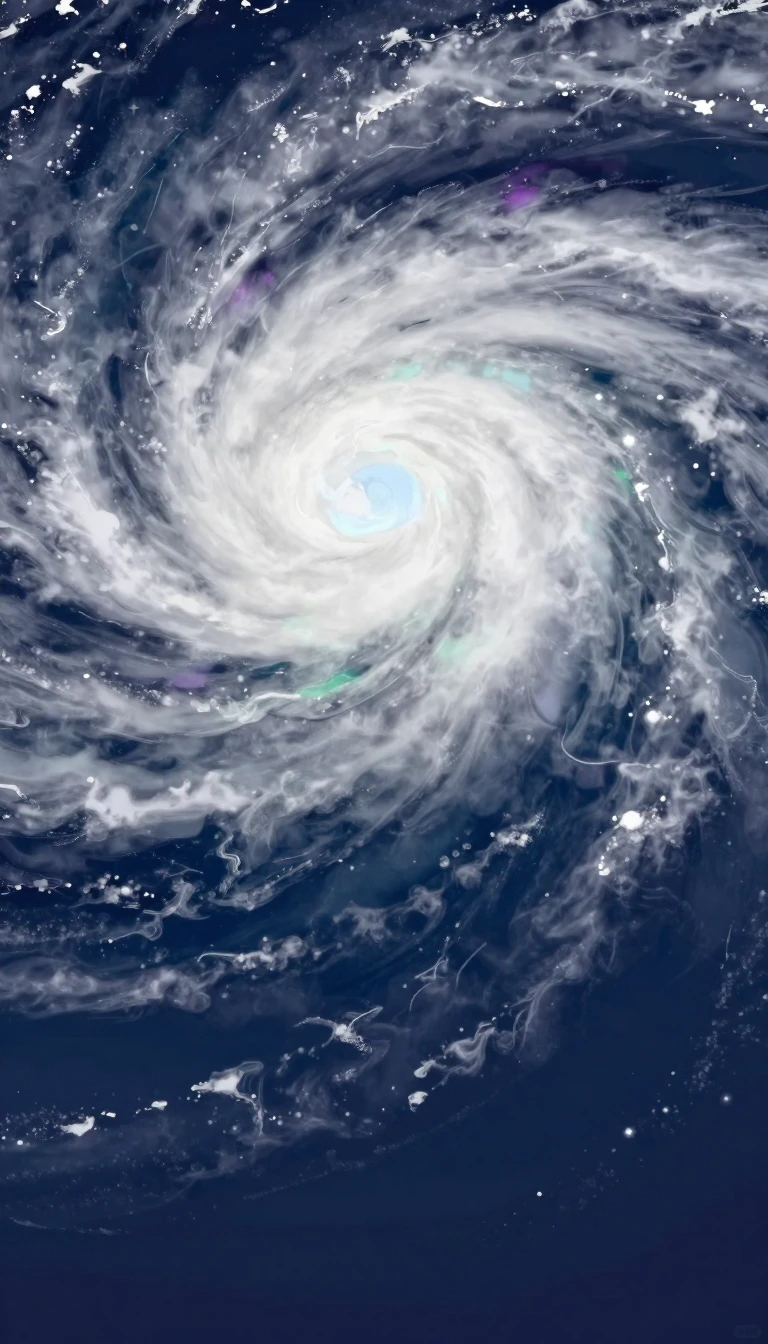
In short: Miami sits at a unique geographical crossroads, making it statistically the most probable major urban center globally to experience a direct hurricane hit. While the city has avoided a direct eye-wall impact for decades, its position between two tropical water bodies keeps it in a state of constant readiness.
Miami’s climate is defined as a tropical monsoon system, shaped by its low elevation, proximity to the Gulf Stream, and position just north of the Tropic of Cancer. This location creates hot, humid summers and short, warm winters. While the city is famous for its heat, it is also one of the rainiest major metropolitan areas in the United States, receiving an average of 61.9 inches of precipitation annually. Much of this moisture arrives during the official rainy season, which spans from mid-May through mid-October.
The city's vulnerability to extreme weather is a direct consequence of its geography. Surrounded by low-lying coastal plains and warm ocean waters, Miami is frequently exposed to tropical activity. The Atlantic hurricane season officially runs from June through November, with the highest risk occurring between mid-August and late September. Despite this high statistical probability of impact, the city has not seen the eye of a hurricane pass directly over it since Hurricane Cleo in 1964. However, numerous storms, including Andrew in 1992 and Wilma in 2005, have caused significant damage to the region's infrastructure.
Beyond hurricanes, the city's climate is shifting due to broader environmental trends. The urban heat island effect, combined with global warming and the influence of the Gulf Stream, has pushed coastal areas like Miami Beach into higher plant hardiness zones. By 2012, these areas reached zone 11a, reflecting a history of almost no freezing temperatures. While the city occasionally experiences cold fronts that bring temperatures below 50 degrees Fahrenheit, these events are fleeting. The combination of these factors makes Miami a critical case study in how tropical geography and modern climate shifts intersect to shape urban life.
Opens the Intellect+ feed with this card first. Swipe up for the next one.
Sources
- Summary by Intellect · source: Climate of Miami
- Also: Wikidata — climate of Miami · CC0
To cite this card, link to https://intellectplus.co.uk/app/places-climate-of-miami.
How we source, check and correct cards: Editorial standards.
General information, not professional advice. Spotted an error? Flag the card or see corrections and complaints.
Intellect Plus is a visual educational discovery platform for exploring fascinating facts and ideas. Brain Food, Not Brain Rot. What is Intellect Plus?
Related
More in Bodies of water · More in Countries & Cities · Latest · A–Z · All topics
