Why Sweden enjoys a surprisingly mild climate despite its extreme northern latitude
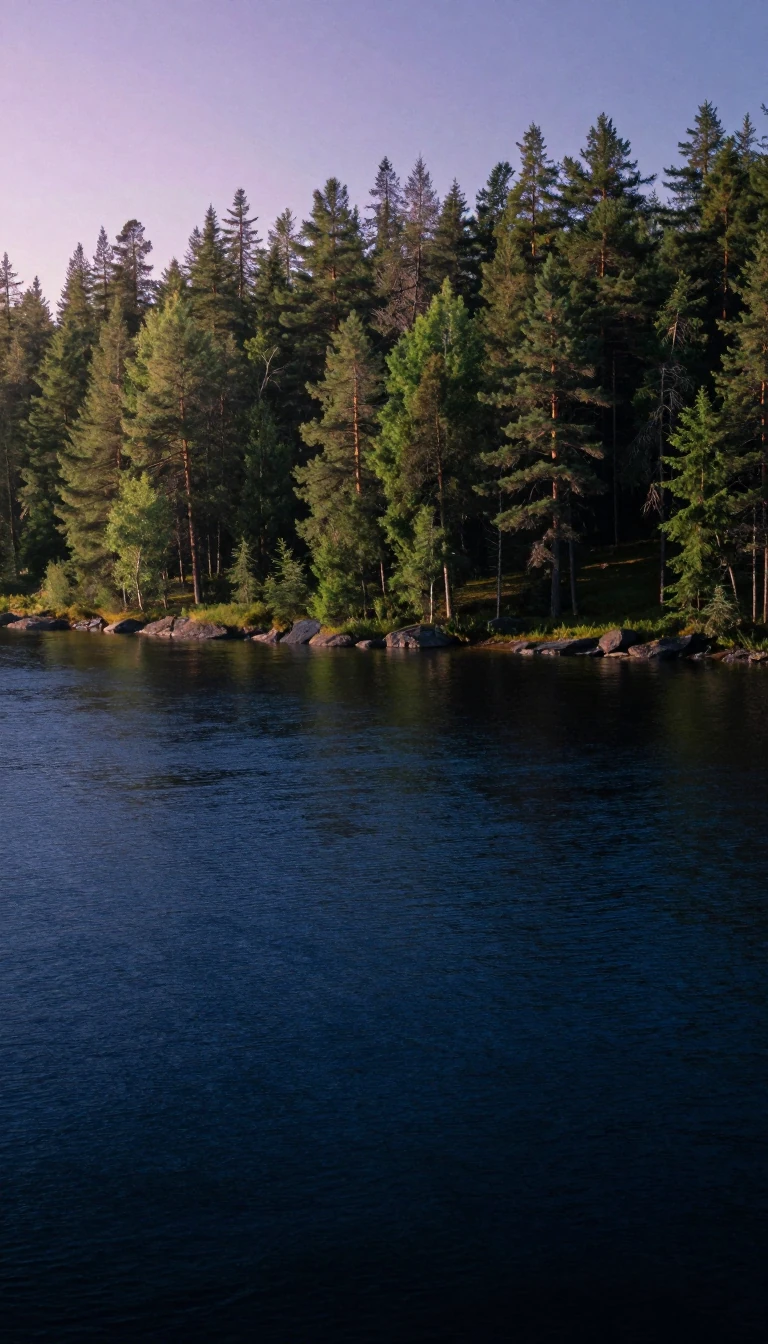
In short: Sweden sits at the same latitude as Greenland and Siberia, yet it avoids the deep freeze typical of those regions. Thanks to the North Atlantic Current and prevailing westerly winds, the country experiences a temperate, manageable climate that allows for agriculture even in its northernmost reaches.
Sweden's climate is defined by a constant tug-of-war between maritime and continental influences. From the southwest, Atlantic low-pressure systems bring air warmed by the North Atlantic Current, which moderates winter temperatures and prevents coastal waters from freezing. In contrast, continental high-pressure systems from the east can bring sunny, hot summers or severe, frigid winters. This interaction creates significant regional variation; while the north experiences heavy snow for up to eight months, the south often sees irregular snowfall and milder winters.
The country's geography further shapes these patterns. The northern interior, with its higher elevation, faces extreme cold, with temperatures occasionally dropping between -30 and -40 degrees Celsius. Conversely, the Mälaren Valley around Stockholm often records the warmest summers, as the vast landmass shields the coast from Atlantic low-pressure systems. Despite these differences, summer temperatures are remarkably consistent across the country, a phenomenon attributed to the moderating influence of the Baltic Sea and the rapid increase in daylight hours as spring arrives.
Looking ahead, climate models indicate a shifting landscape. Historical data from 1995 to 2014 shows an average annual temperature of 3.75 degrees Celsius and annual precipitation of 791.83 millimeters. Since 1970, temperatures have risen by 0.37 degrees Celsius per decade. Projections for the mid-century period, under high-emission scenarios, suggest a median temperature increase of 1.83 degrees Celsius. These changes are critical, as Sweden's ecosystems—ranging from the forests of the south to the Alpine flora of the northern mountains—are already under pressure from factors like acidification and industrial sulfur fallout.
Opens the Intellect+ feed with this card first. Swipe up for the next one.
Sources
- Summary by Intellect · source: Sweden - Country Overview | Climate Change Knowledge Portal
- Also: Sweden - Arctic, Temperate, Maritime | Britannica
- Also: Climate of Sweden
To cite this card, link to https://intellectplus.co.uk/app/places-climate-of-sweden.
How we source, check and correct cards: Editorial standards.
General information, not professional advice. Spotted an error? Flag the card or see corrections and complaints.
Intellect Plus is a visual educational discovery platform for exploring fascinating facts and ideas. Brain Food, Not Brain Rot. What is Intellect Plus?
Related
More in Bodies of water · More in Countries & Cities · Latest · A–Z · All topics
