The ancient sewer that was large enough for a hay wagon
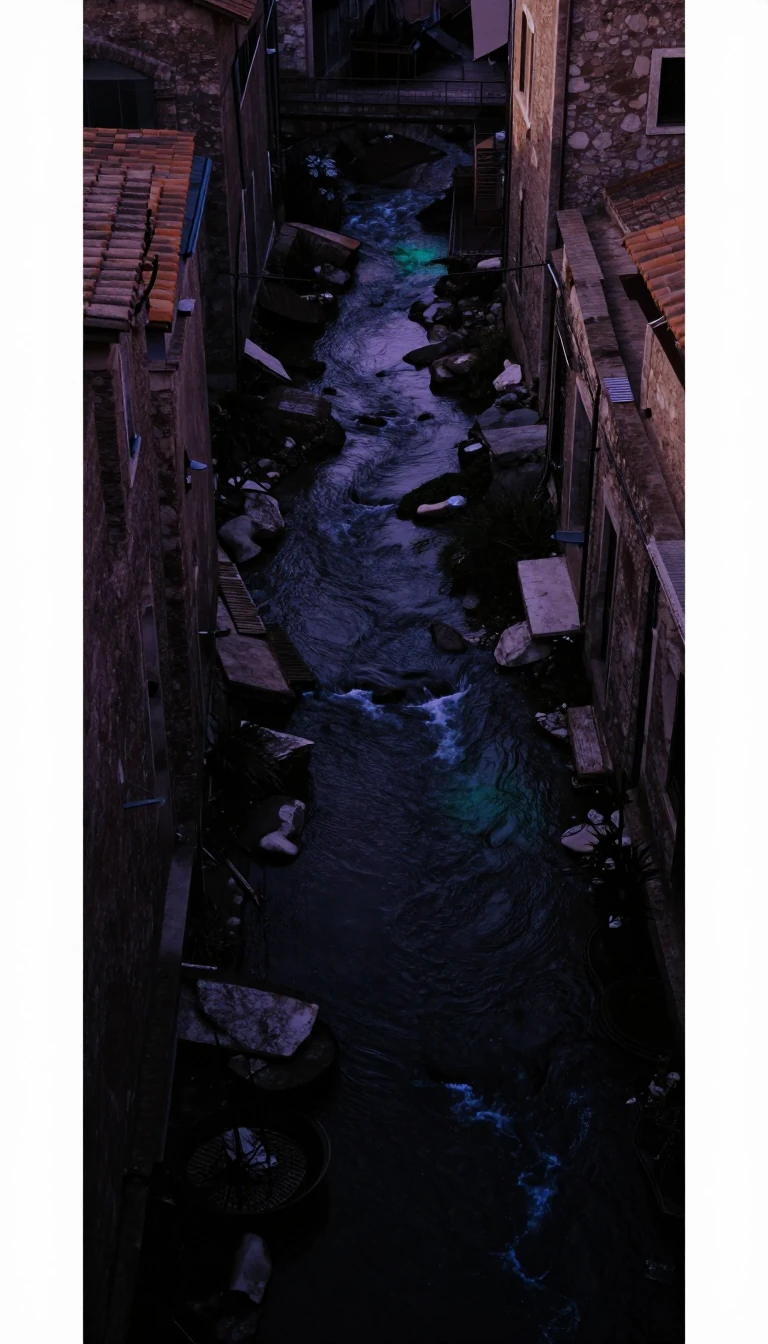
In short: Rome's greatest engineering feat wasn't just a drain; it was a sacred symbol of civilization. Built to reclaim swamps and move waste, the Cloaca Maxima evolved from an open-air canal into a massive subterranean network that still functions today.
Tradition dates the construction of the Cloaca Maxima to around 600 BC under King Tarquinius Priscus. Originally intended to clear urban refuse and empty nearby wetlands, this brick-lined open canal served a functional role. By filling areas like the Velabrum with up to 20,000 cubic meters of soil and debris, Roman leaders transformed swampy land into solid ground for building. The system eventually grew into a 1,600-meter-long main storm drain by the late Republic.
The engineering was remarkably sophisticated. Every one of the eleven Roman aqueducts linked up with the drainage system by 100 AD. This provided a continuous supply of running water that flushed out waste from public baths—such as those of Diocletian and Trajan—and private houses. The system could transport up to one million pounds of water and debris per second, with conduits dispensing up to 10 cubic meters of water every second. To manage the flow, Romans used manholes decorated with marble reliefs and constructed canals from Roman concrete and flint.
Beyond utility, the Cloaca Maxima held deep religious and cultural significance. Because the Romans viewed moving water as sacred, the sewer was considered a symbol of engineering prowess and civilization. It was even associated with the goddess Venus Cloacina, who had a dedicated sanctuary in the Forum Romanum. While it helped limit malaria by draining mosquito-breeding marshes, it also faced challenges like rat infestations and polluted water. Even after the fall of Rome, it remained functional; Cardinal Chamberlain imposed a tax for its upkeep in the 1600s, and parts remain integrated into modern urban drainage today.
The sewer's legacy is one of endurance. It was so impressive that British writer Henry James described it as giving him 'the deepest and grimmest impression of antiquity.' Its design was imitated across the empire, notably in York (Eboracum), where parts of the Roman-inspired system still survive.
Opens the Intellect+ feed with this card first. Swipe up for the next one.
Sources
- Summary by Intellect · source: Cloaca Maxima
- Also: Wikidata — Cloaca Maxima · CC0
To cite this card, link to https://intellectplus.co.uk/app/places-cloaca-maxima.
How we source, check and correct cards: Editorial standards.
General information, not professional advice. Spotted an error? Flag the card or see corrections and complaints.
Intellect Plus is a visual educational discovery platform for exploring fascinating facts and ideas. Brain Food, Not Brain Rot. What is Intellect Plus?
Related
More in Cities · More in Countries & Cities · Latest · A–Z · All topics
