Is nature a resource to be managed or a temple to be preserved?
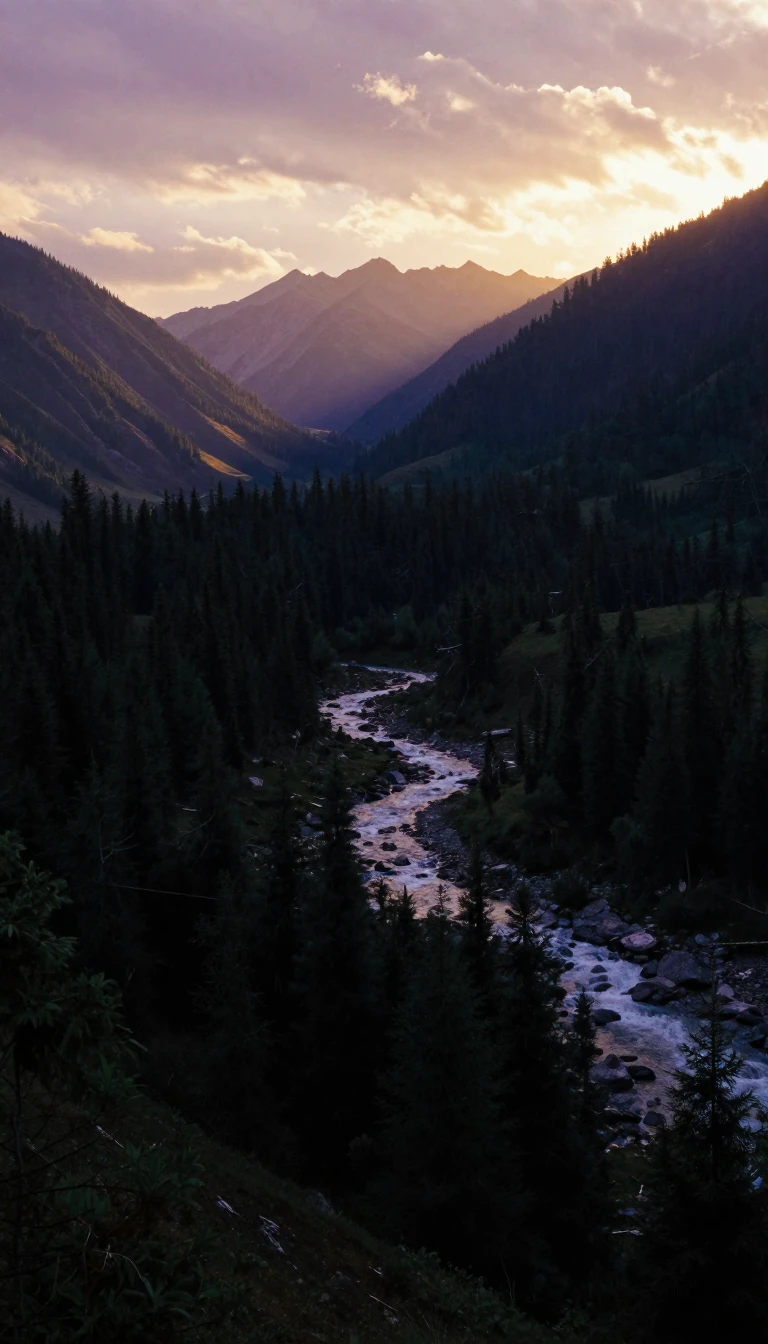
In short: The conservation movement began as a practical response to resource depletion, but it evolved into a complex ideological battleground. From 17th-century forestry manuals to modern debates over equity and race, the movement has shifted from managing timber for navies to questioning the very nature of human existence within the environment.
The roots of conservation lie in necessity. In 1662, John Evelyn presented 'Sylva' to the Royal Society, warning that England's timber was dangerously depleted. By the 18th century, Prussia and France pioneered scientific forestry, methods later applied in British India to protect teak for the Royal Navy. This early 'ecological' management aimed to ensure a sustainable yield of resources, a philosophy that eventually influenced American policy through figures like Gifford Pinchot.
By the late 19th century, a divide emerged between conservationists and preservationists. Conservationists, led by Theodore Roosevelt and Pinchot, viewed nature as a resource to be managed efficiently for long-term economic gain. Preservationists, championed by John Muir, argued that nature held intrinsic value beyond utility. This tension peaked during the Hetch Hetchy dam controversy, where Muir famously declared the valley a 'holy temple' that should not be sacrificed for San Francisco's water supply.
The movement's history is also marked by exclusion. Early efforts often prioritized the recreation of elite white men, frequently resulting in the dispossession of Indigenous peoples and the enforcement of segregation in public lands. Roosevelt himself linked wildlife preservation to racial vigor, supporting eugenics and immigration restrictions alongside his conservation agenda. Today, these historical inequities are being challenged by 'convivial conservation,' a radical theory proposed in 2019 that seeks to move past capitalist valuation and human-nature dichotomies, advocating for a democratic, integrated approach where humans are recognized as an everyday part of nature.
Modern environmentalism remains a contested space. While Americans often rank environmental issues as important, polling suggests they remain low-priority in the voting booth. Meanwhile, political power in the American West has seen a rise in opposition to federal land reform, as groups emphasize individual property rights and extraction over state-led conservation. The field continues to evolve, shifting from the spectacle of 'pristine' wilderness toward a focus on the mundane, cultivated nature of our daily lives.
Opens the Intellect+ feed with this card first. Swipe up for the next one.
Sources
- Summary by Intellect · source: Conservation movement
- Also: Wikidata — conservation movement · CC0
- Also: Wikidata — Conservation Movement in Iowa MPS · CC0
To cite this card, link to https://intellectplus.co.uk/app/places-conservation-movement.
How we source, check and correct cards: Editorial standards.
General information, not professional advice. Spotted an error? Flag the card or see corrections and complaints.
Intellect Plus is a visual educational discovery platform for exploring fascinating facts and ideas. Brain Food, Not Brain Rot. What is Intellect Plus?
Related
More in Basics · More in Countries & Cities · Latest · A–Z · All topics
