The modern concept of wilderness often erases the people who shaped it for centuries.
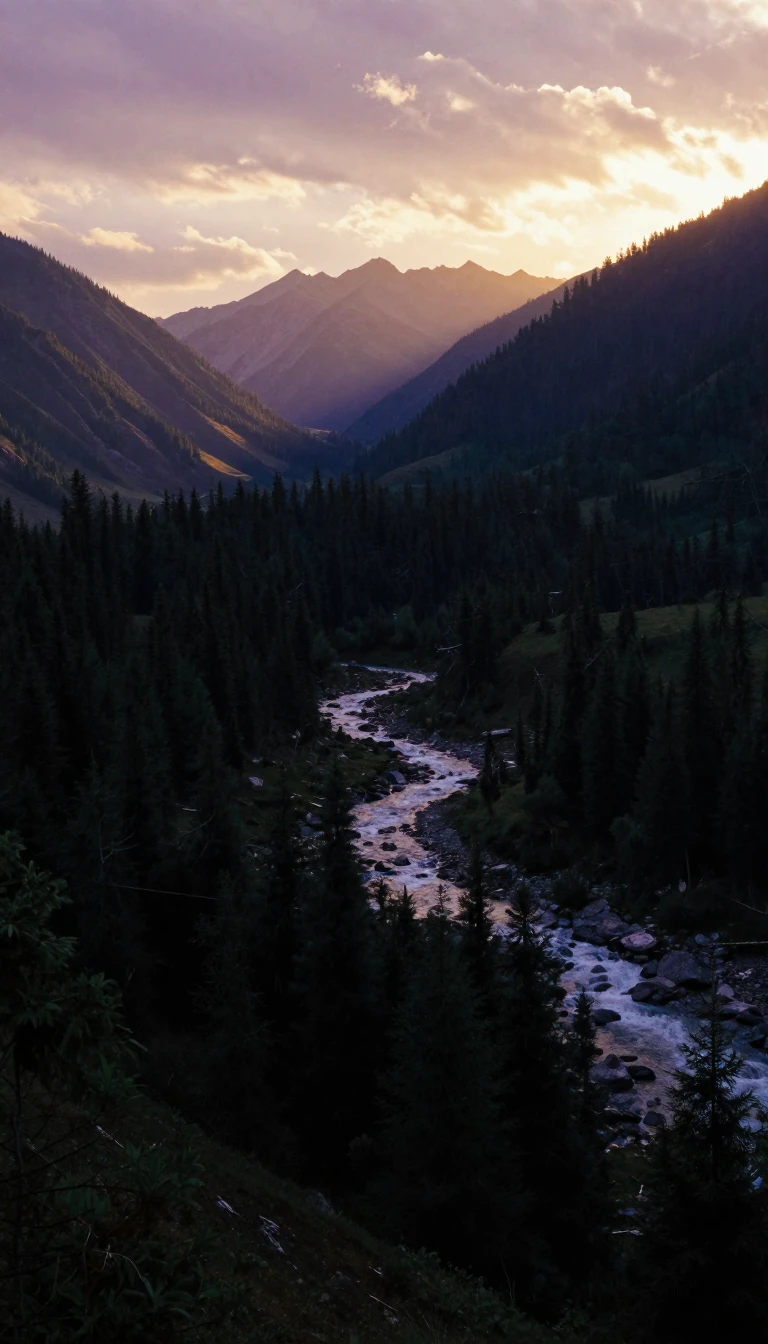
In short: We imagine wilderness as pristine, untouched land, but this vision is a relatively recent invention. For most of history, humans lived within these spaces, actively shaping them through fire and management. Today, our efforts to preserve nature often inadvertently displace the very communities that once stewarded these landscapes.
The Western ideal of wilderness as a pristine, uninhabited realm is a 19th-century construct. Before this shift, European medieval thought viewed uncultivated nature as a sinister, demonic counter-world to civilization. It was only with the rise of Romanticism and the works of artists like John Constable and J. M. W. Turner that wild spaces began to be valued for their aesthetic beauty rather than feared as moral ruins.
This romanticized view often ignores the reality of indigenous land management. In North America, landscapes were not empty; they were actively maintained by Native Americans through controlled burning to support food sources and prevent catastrophic wildfires. When the United States established national parks like Yellowstone in 1872, the government forcibly removed these inhabitants to create an illusion of an uninhabited, untouched landscape. This erasure of human history remains a point of contention, as seen in the 1910 Glacier National Park Act, which voided the specific land rights of the Blackfeet people.
The paradox of wilderness persists in the 21st century. We now recognize that ecosystems are interconnected; air pollution from cities like Los Angeles can degrade the air quality of protected national parks, proving that drawing a line around a piece of land does not isolate it from human impact. Furthermore, applying a rigid, Western-centric definition of wilderness to densely populated regions like India can lead to the displacement of poor communities, prioritizing an imperialistic ideal of nature over the existing, complex relationships between local people and the land they work.
Today, global conservation efforts are categorized by the IUCN, with 2,992 registered Category 1b wilderness areas worldwide. While some regions, like the Sami native region in Finland, integrate traditional livelihoods like reindeer husbandry into their conservation models, others struggle with the tension between preservation and human presence. Ultimately, the challenge of modern conservation is to reconcile the need to protect biodiversity with the historical and social realities of the people who have lived in these environments for generations.
Opens the Intellect+ feed with this card first. Swipe up for the next one.
Sources
- Summary by Intellect · source: Wilderness
To cite this card, link to https://intellectplus.co.uk/app/nature-wilderness.
How we source, check and correct cards: Editorial standards.
General information, not professional advice. Spotted an error? Flag the card or see corrections and complaints.
Intellect Plus is a visual educational discovery platform for exploring fascinating facts and ideas. Brain Food, Not Brain Rot. What is Intellect Plus?
Related
More in Earth science basics · More in Nature · Latest · A–Z · All topics
